Trump's Fuel Blockade Forces Cuba's Airlines to Rethink Operations
Havana — Cuban aviation authorities have issued urgent warnings to airlines about an impending jet fuel shortage, a consequence of intensified U.S. sanctions that have cut off vital energy supplies. Starting Tuesday, nine airports, including the key José Martí International Airport in Havana, will be unable to refuel aircraft, a situation expected to last until March 11.
Political maneuvers from the Trump administration have effectively severed Cuba's access to its primary oil suppliers, Venezuela and Mexico. An executive order signed by Trump in late January threatens tariffs on any goods from nations that provide oil to Cuba, exacerbating an already dire energy crisis on the island.
While Mexico has historically acted as a crucial oil lifeline for Cuba, President Claudia Sheinbaum has faced pressure to distance her country from Havana. Speculation arose in January regarding potential cuts to oil shipments, but Sheinbaum announced Monday that Mexico would increase support for Cuba, labeling Trump's policies as unjust.
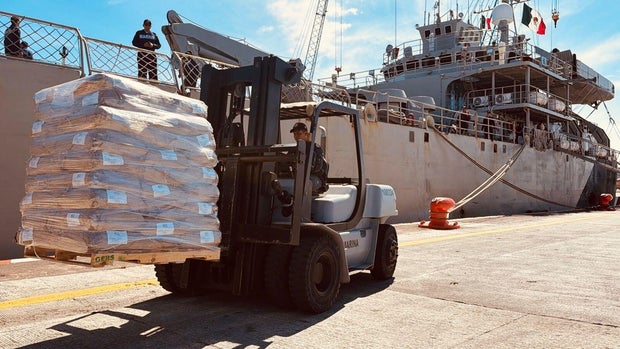
"There will be more support for Cuba," Sheinbaum stated as over 800 tons of humanitarian aid were prepared for shipment. She emphasized Mexico's commitment to resuming oil deliveries to the island.
"No one can ignore the situation the Cuban people are currently experiencing due to the sanctions being imposed by the United States on any country that sends oil, in a very unfair manner," she added, highlighting the humanitarian implications of the sanctions.
China, another ally of Cuba, expressed its support through a foreign ministry spokesperson who reiterated Beijing's commitment to safeguarding Cuba's sovereignty and providing assistance as needed.
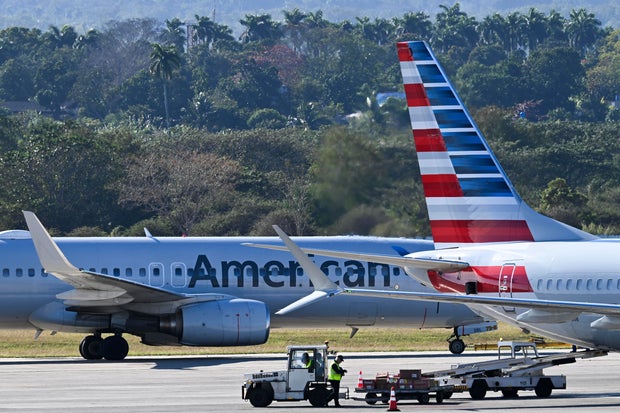
The fuel rationing poses significant challenges for long-haul flights from countries like Russia and Canada, which are vital for Cuba's tourism-dependent economy. On Monday, Air Canada announced it would suspend flights to Cuba, while other airlines adjusted their routes with layovers in the Dominican Republic before continuing to Havana.
A pilot noted that while refueling issues are not new, the scale of this announcement is unprecedented for an island accustomed to crises. In the past, aircraft bound for Europe would refuel in Nassau, Bahamas; now, regional airlines may need to carry extra fuel or refuel in Cancun or the Dominican Republic.
Delta Air Lines reported no immediate issues related to fuel shortages when contacted, while Southwest Airlines confirmed that its flights to Cuba would carry enough fuel for subsequent legs of their journeys. "Due to the current status of aviation fuel in Cuba, Southwest Airlines is requiring aircraft that fly to Havana to carry enough fuel to also fly onto their next destination," a spokesperson stated.
American Airlines is monitoring the situation closely but has not reported any disruptions yet. The duration of the fuel shortage remains uncertain, with Cuban officials silent on further developments.
This latest crisis compounds challenges for a nation heavily reliant on tourism, an industry that once generated $3 billion annually. In response to the energy emergency, Cuban officials have reduced bank hours and suspended cultural events. The public bus system in Havana has nearly ceased operations due to ongoing power outages and fuel shortages.
Major events like the Havana International Book Fair have been canceled, and adjustments are being made to the national baseball season for efficiency. Fuel distribution companies have announced they will only sell gasoline in dollars and limit purchases to five gallons per user.
These measures follow additional cuts announced last Friday, including reductions in bus services and limited train departures. In a recent televised address, President Miguel Díaz-Canel acknowledged the severity of the situation and indicated that further actions would be taken soon.
U.S. sanctions against Cuba have persisted for over sixty years, severely hindering economic growth. However, these restrictions have intensified following U.S. military actions against Venezuela and Trump's increasingly aggressive stance toward Latin America.
For many Cubans, this crisis has manifested in power outages lasting up to ten hours daily, fuel shortages for transportation, and a scarcity of food and medicine reminiscent of the economic depression known as the Special Period in the 1990s after the Soviet Union's aid was cut off.