

Donald Trump announced today that he would postpone military action against Iran for an additional two weeks, raising eyebrows about the weight of his previous threats. This latest move has led many to question the sincerity of his proclamations, as he has often criticized past leaders for lacking the resolve he claims to possess.
His retreat, dubbed “TACO” or “Trump Always Chickens Out,” signals a significant strategic weakness, overshadowing any previous criticisms he leveled at former presidents. The implications are clear: global leaders may no longer regard Trump’s threats as credible.
Trump has previously condemned empty threats, notably criticizing Barack Obama in 2013 for retracting his “red line” regarding Syria’s use of chemical weapons. “The only reason President Obama wants to attack Syria is to save face over his very dumb RED LINE statement. Do NOT attack Syria, fix U.S.A.,” Trump tweeted back then.
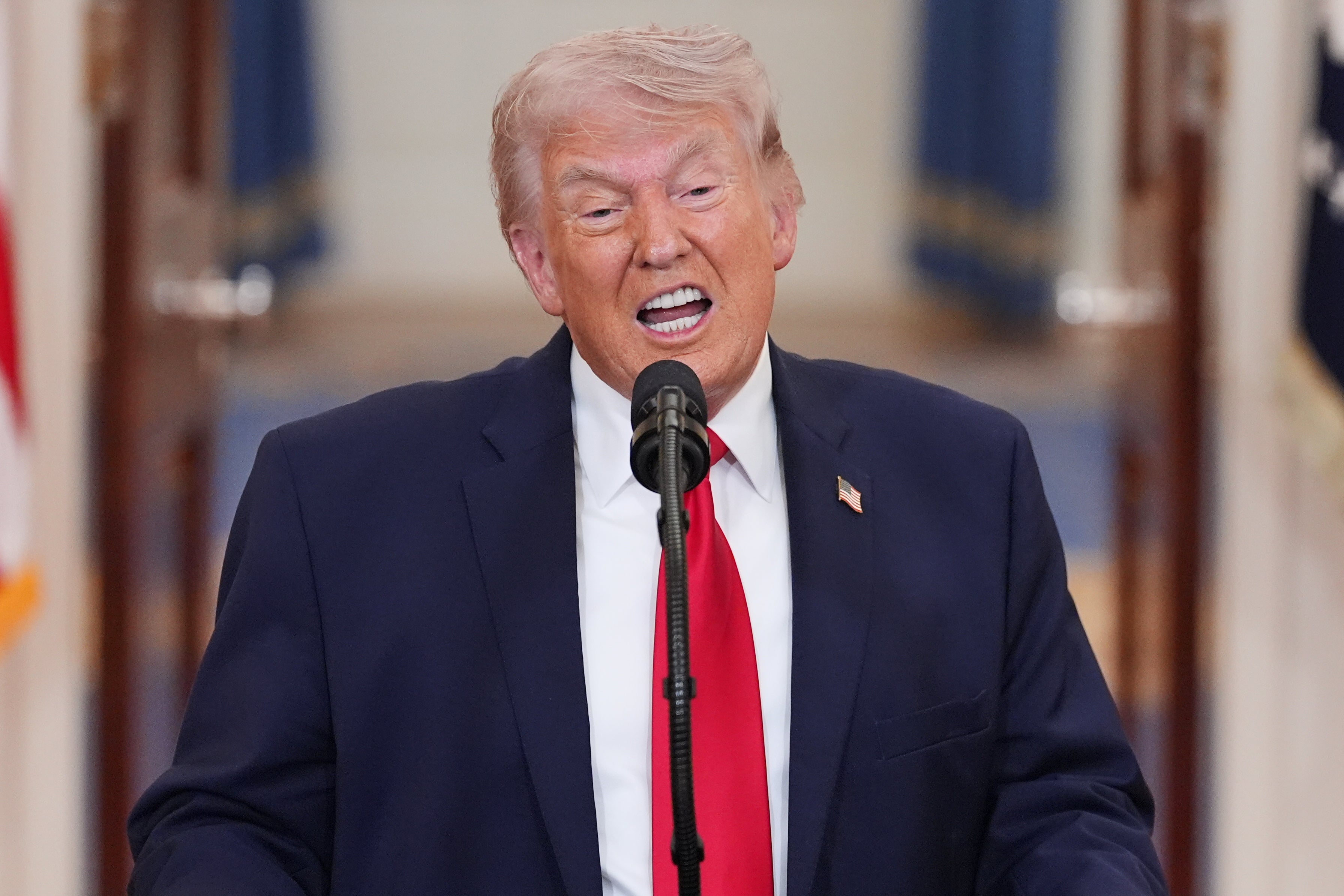
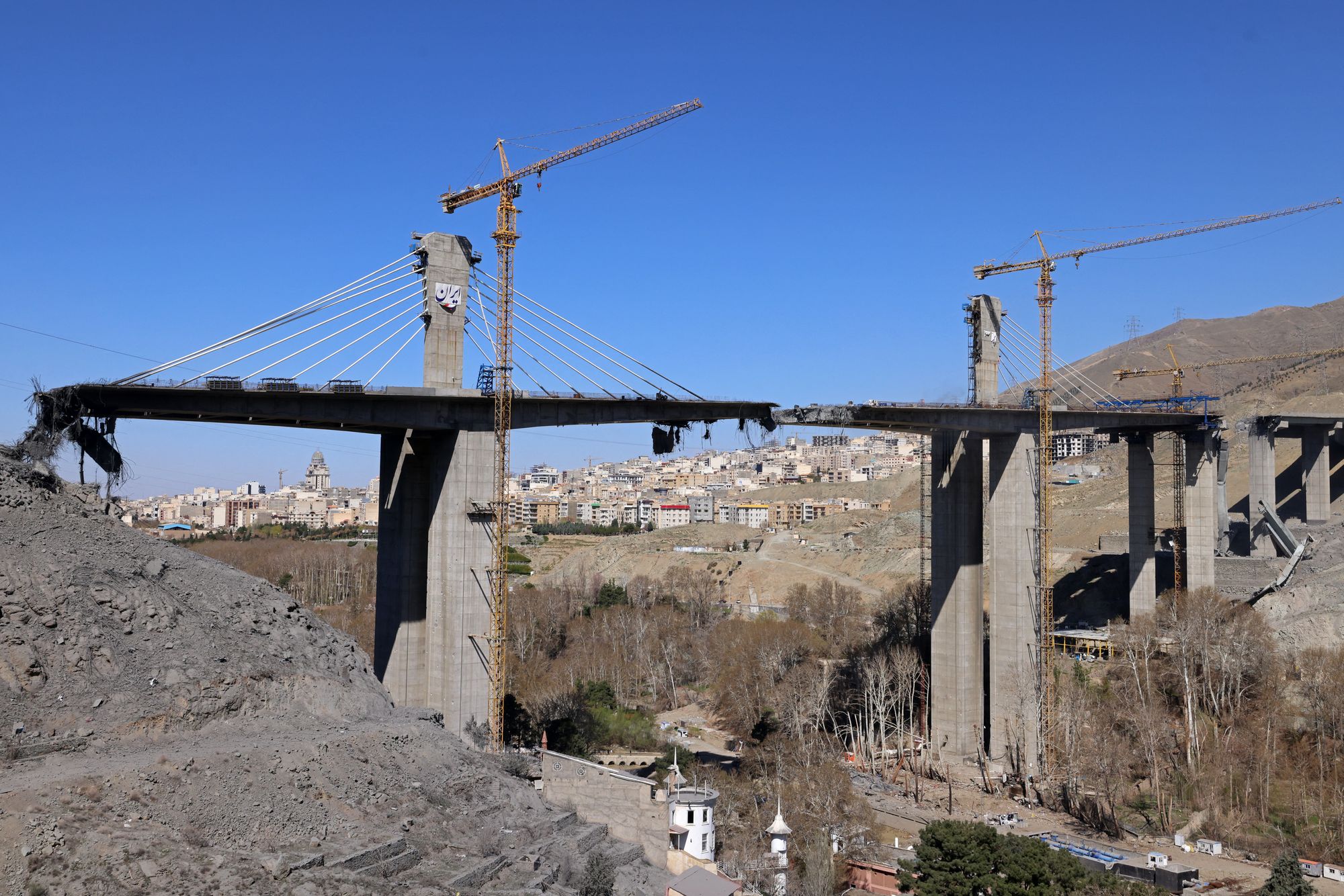
Yet, in a dramatic display over the weekend, Trump escalated tensions with Iran, declaring a “Power Plant Day” and “Bridge Day” for U.S. forces unless Iran complied with his demands. He ominously warned that “A whole civilization will die tonight, never to be brought back again,” a statement that bordered on incitement to war crimes.
However, when it came time to act, Trump backed down. Speculation abounds regarding his motivations—whether it was pressure from Pakistan’s prime minister or concerns about the potential human cost of military engagement. Perhaps warnings from Republican leaders about losing congressional support played a role.
Regardless of the reasons, this retreat leaves the world in a precarious position. The option to target civilian infrastructure has been introduced, creating an atmosphere of fear regarding future threats from Trump.
This situation mirrors historical precedents; after Obama’s retreat from his red line, Russia’s Vladimir Putin seized Crimea. Now, leaders like Putin and China’s Xi Jinping may perceive Trump as weak, emboldening them to act without restraint.
Conversely, nations worldwide may view Trump as a looming threat, reminiscent of the Sword of Damocles. Canada, for instance, has reacted to Trump’s aggressive rhetoric by adopting a more confrontational stance.
Moreover, Trump appears to have overlooked a crucial lesson from his former Defense Secretary James Mattis: adversaries will respond. Even if Trump steps back, Iran is unlikely to remain passive and may retaliate against U.S. allies or Israel to demonstrate its strength.
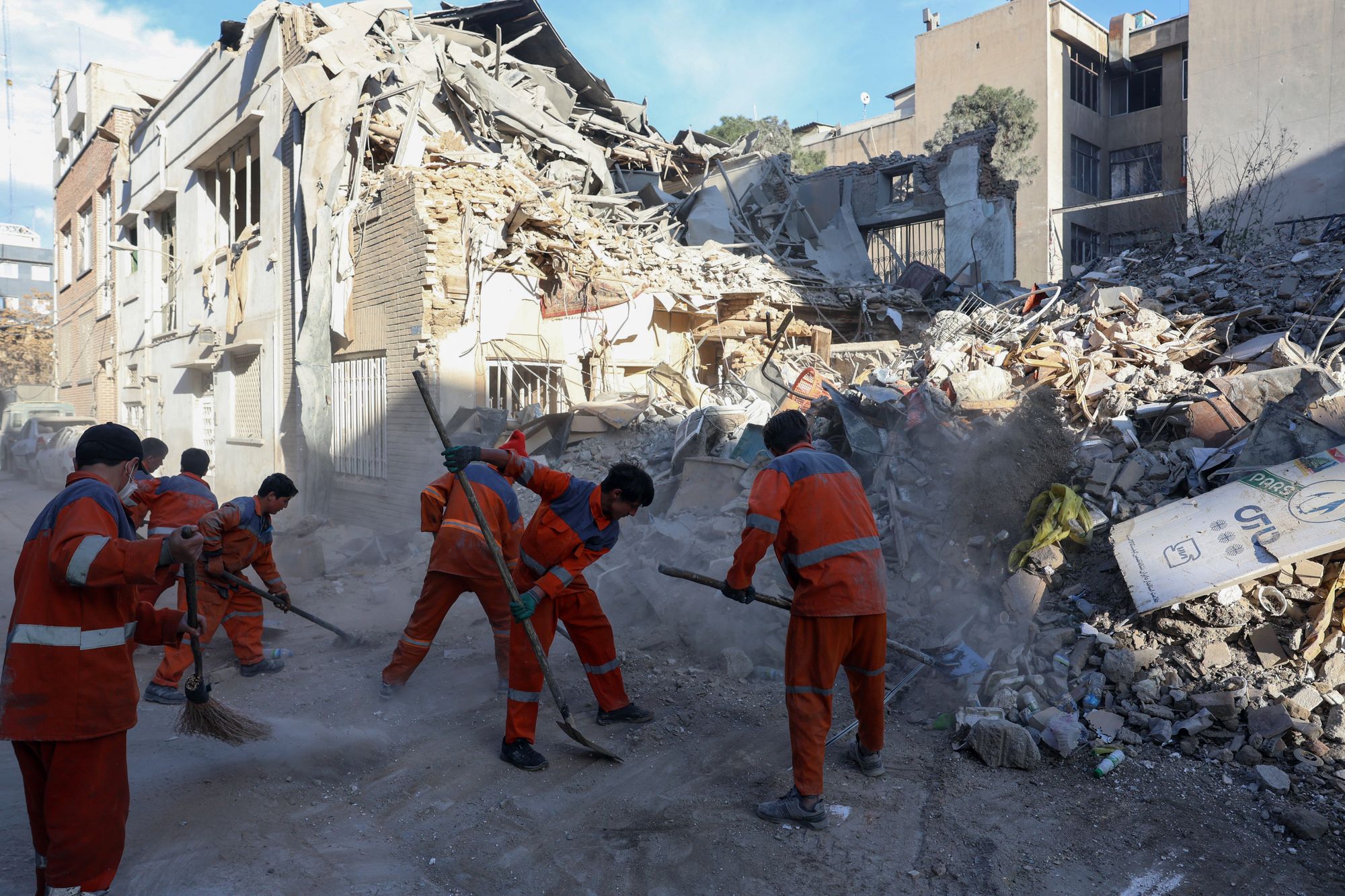
While Trump ultimately refrained from unleashing military force and causing widespread devastation, his actions have irrevocably altered the United States' standing in global affairs and ushered in a new chapter in its relationship with Iran.
The adage during Trump’s 2016 campaign was to take him seriously but not literally. Today, however, the world cannot afford to misinterpret when he is bluffing—an occurrence that seems increasingly frequent.