Trump Unleashes 10% Tariffs on Global Imports Following Supreme Court Ruling
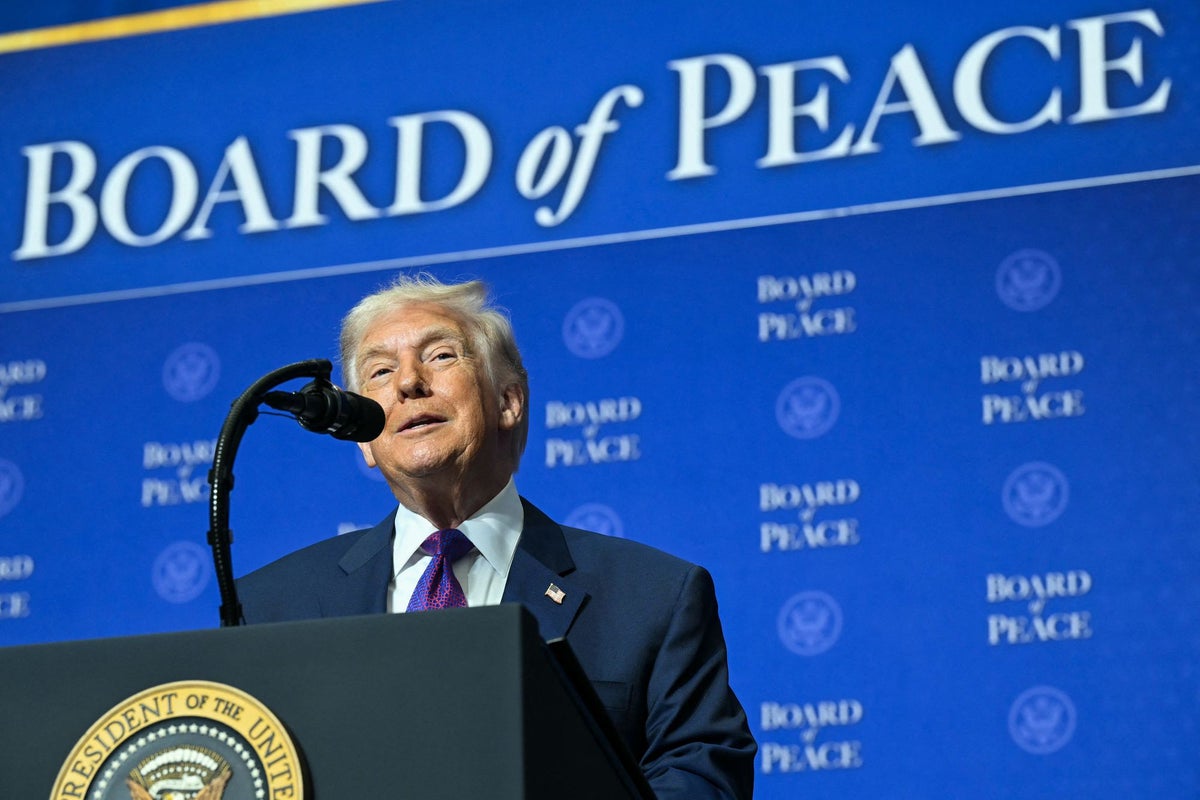
President Trump enacted a proclamation late Friday, imposing a 10% tariff on a wide array of foreign imports to the United States. This decision came swiftly after the Supreme Court invalidated a series of extensive global tariffs that had been established under a different legal framework.
The new tariffs will take effect early Tuesday morning and are set to last for 150 days. Notably, certain categories of goods are exempt from these duties, including specific food imports, critical minerals, electronics, and vehicles. Additionally, products from Canada and Mexico that fall under a trade agreement negotiated during Trump's first term will not incur these tariffs.
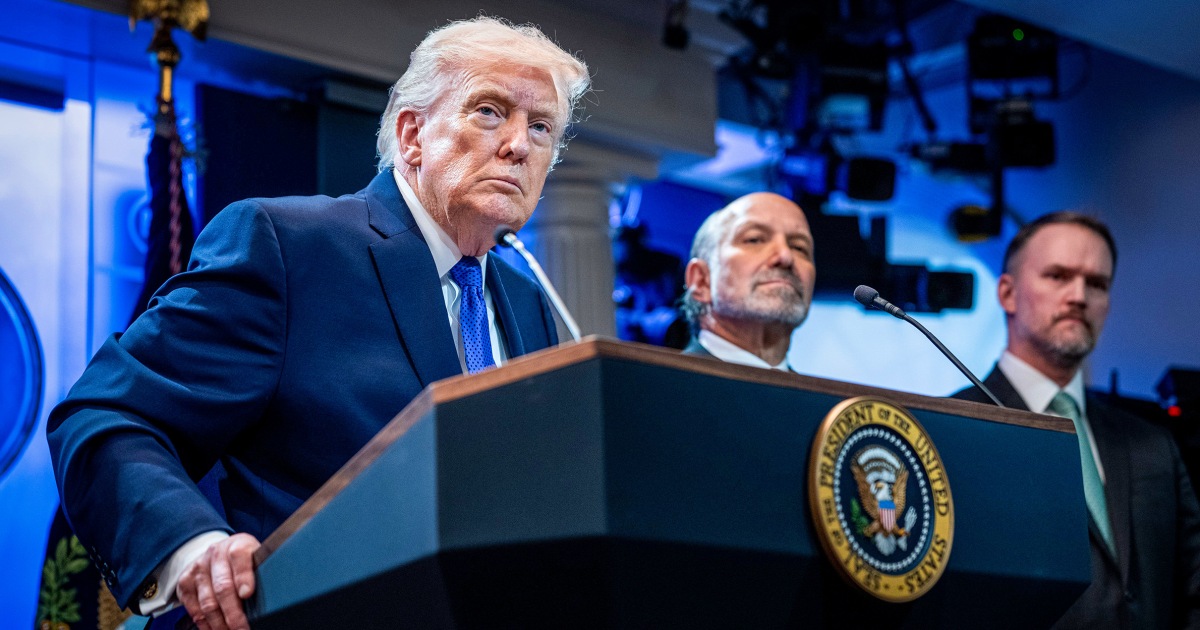
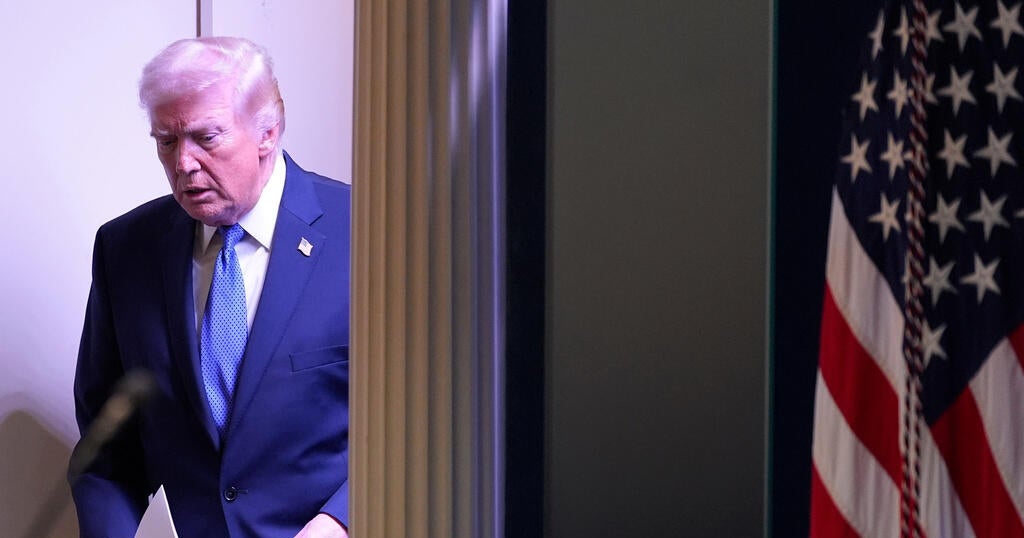
"It is my Great Honor to have just signed, from the Oval Office, a Global 10% Tariff on all Countries, which will be effective almost immediately," Trump stated in a post on Truth Social.
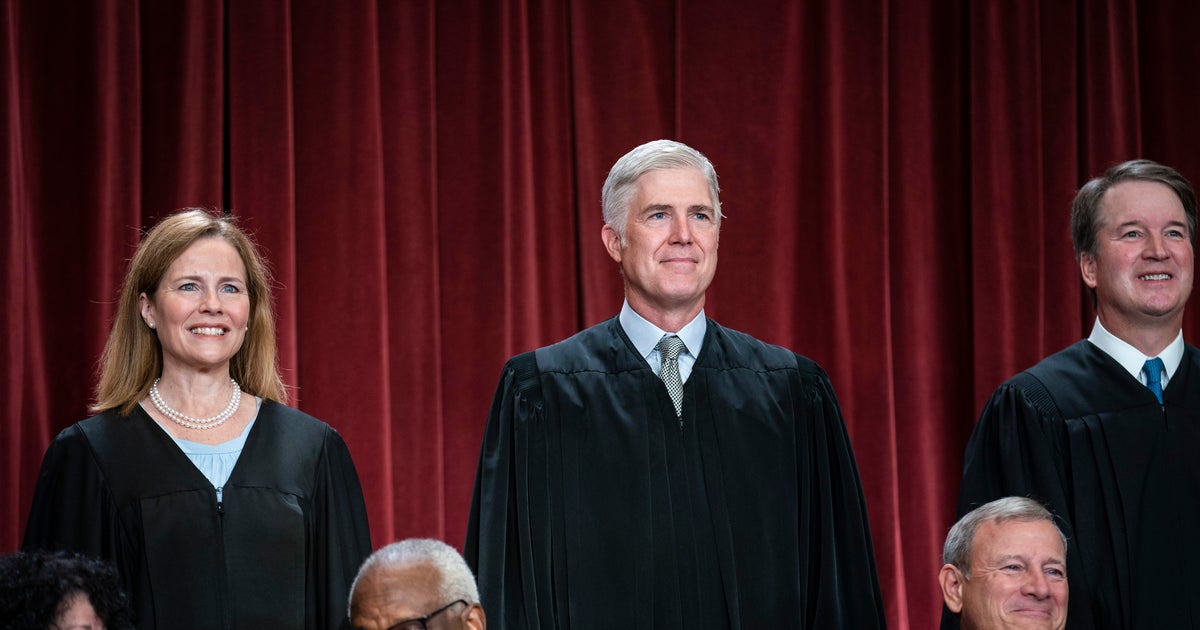
This latest move reflects Trump's ongoing efforts to reinstate a regime of significant tariffs and trade agreements that are central to his economic strategy. Previously, many of his tariffs were based on the International Emergency Economic Powers Act (IEEPA), which the Supreme Court ruled on Friday could not be utilized for tariff imposition.
The tariffs announced on Friday are grounded in Section 122 of the Trade Act of 1974. This provision empowers the president to impose duties of up to 15% for a period of 150 days to address "large and serious" balance-of-payment issues.
Under Trump's previous tariff structure, many trading partners faced elevated rates, including a series of "reciprocal" tariffs affecting various countries and additional levies on numerous goods from China, Canada, and Mexico linked to drug trafficking concerns. Some nations managed to negotiate lower rates as part of broader trade agreements. Nonetheless, all these measures were contingent upon the Trump administration's interpretation of IEEPA, which was recently overturned by the Supreme Court.
The nonpartisan Tax Foundation estimated in November that if Trump were to substitute his IEEPA tariffs with 10% Section 122 tariffs, it would yield just over half the revenue generated by IEEPA. Actual revenue could be even lower if importers opt to wait out the 150-day duration.
Uncertainty looms regarding whether the administration will attempt to reinstate any of the higher country-specific tariff rates. When questioned about the status of his trade agreements, Trump responded: "Some of them stand. Many of them stand. Some of them won't, and they'll be replaced with the other tariffs."
The Supreme Court's decision did not affect tariffs imposed under legal authorities other than IEEPA, including Trump's tariffs on steel, aluminum, and auto imports.
Additionally, Trump instructed U.S. Trade Representative Jamieson Greer's office to initiate investigations into "certain unreasonable and discriminatory acts, policies, and practices that burden or restrict U.S. commerce" under Section 301 of the Trade Act. This law permits the government to impose tariffs and other measures to rectify unfair trade practices.
Greer indicated in a statement late Friday that he anticipates the Section 301 investigations "to cover most major trading partners." He noted that these inquiries will follow an "accelerated timeline" and could lead to further tariffs.