



U.S. Veteran's Adopted Daughter Faces Deportation to Iran Amid Rising Tensions
A woman, once an orphan in Iran and later adopted by a U.S. Air Force veteran, now faces the grim reality of deportation back to a country where Christians endure severe persecution. Raised in the United States as a Christian, her life is now overshadowed by the threat of removal to Iran, a nation currently on the brink of conflict with the U.S.
She is among thousands of international adoptees who never received U.S. citizenship due to convoluted adoption and immigration laws. The woman, whose identity remains confidential due to her precarious legal status, recently received a notice from the Department of Homeland Security (DHS) mandating her appearance before an immigration judge in California. Despite having no criminal record, the letter cites her visa overstay from March 1974, when she was merely four years old.
"I never imagined it would get to where it is today," she remarked, voicing her fears that deportation could equate to a death sentence in Iran. "How could the United States do that?" Her concerns are heightened by escalating military tensions as the Trump administration mobilizes forces in the Middle East, preparing for potential action against Iran.
In 2024, a profile highlighted her plight amid a broader investigation into the citizenship status of international adoptees. The DHS has been aware of her situation since at least 2008, yet she remains uncertain about the sudden urgency for her removal. Her legal file reportedly spans thousands of pages.
The Trump administration's mass deportation efforts have targeted individuals labeled as "the worst of the worst," yet many without criminal histories have found themselves ensnared in this campaign. The woman recalls only one encounter with law enforcement—being stopped for using her phone while driving two decades ago. Now, she works in corporate healthcare, pays taxes, and owns a home in California.
"When the media refuses to give names, it makes it impossible to provide details on specific cases or even verify any of this even happened or that the people even exist," stated a DHS representative. While the woman's name was withheld, the AP provided details about her deportation notice and her original court date of March 4. A judge has since postponed her hearing to next month and agreed with her attorney that she need not appear in person, alleviating fears of immediate detention.
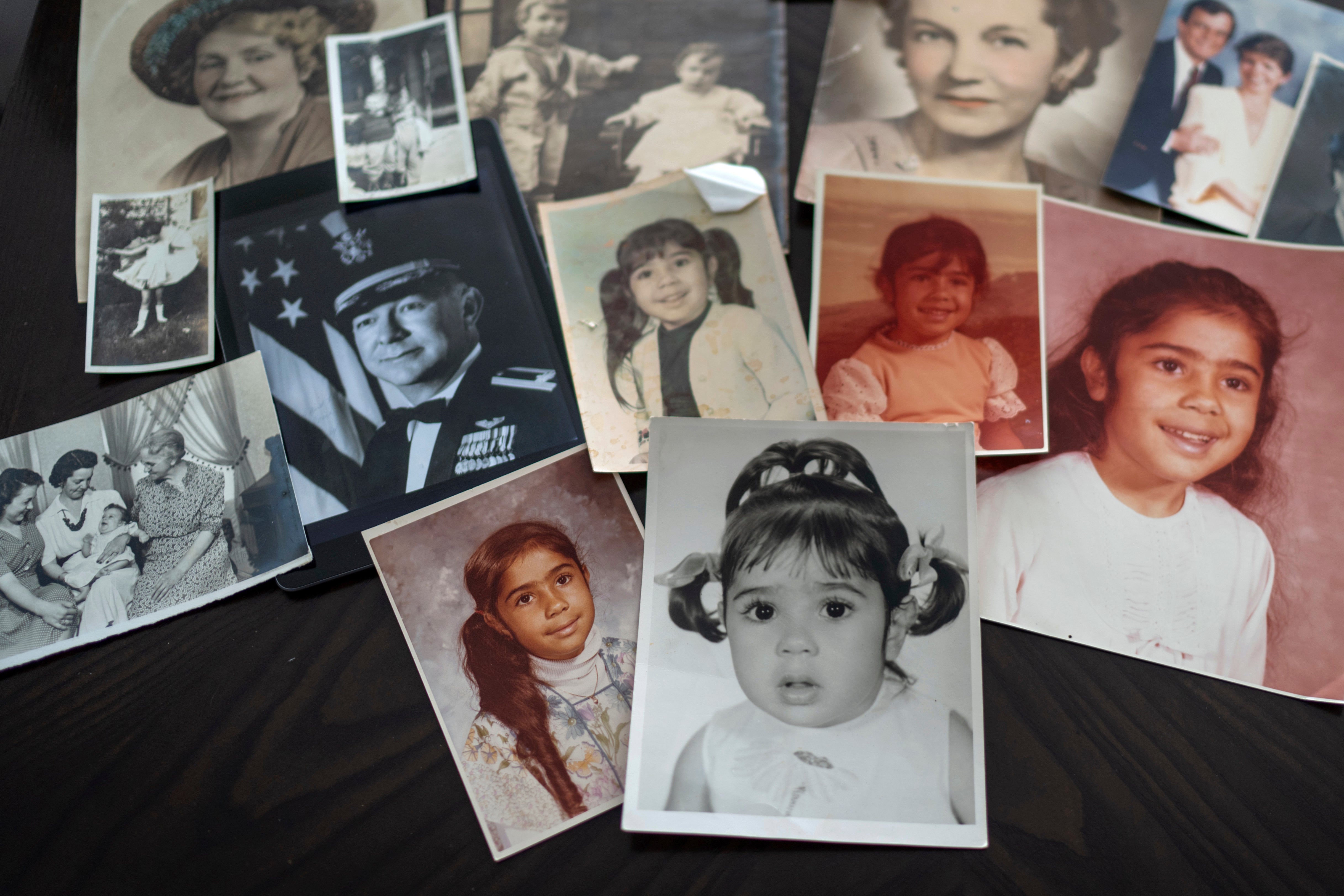
Her father, a World War II POW, adopted her from an Iranian orphanage in 1972 when she was just two years old. They returned to the U.S. in 1973, with local media celebrating their new family. Her adoption was finalized in 1975; however, at that time, parents were required to separately naturalize their adopted children through federal immigration channels. Both of her adoptive parents have since passed away.

It wasn't until she applied for a passport at age 38 that she discovered her lack of citizenship. Searching through her father's documents revealed a 1975 letter from an attorney indicating he was working with immigration officials on her behalf, concluding with "it appears this matter is concluded."
For years, she has sought assistance from various government entities, including the State Department and her congresswoman, Rep. Young Kim, but to no avail. Kim's office recently informed her they could not intervene regarding her impending removal.
"It just baffles me that it’s OK to send me to a foreign country where I could potentially die or be imprisoned because of a clerical error," she expressed.
Unlike older adoptees, recent ones do not face such legal uncertainties. A 2000 law granted automatic citizenship to those adopted from abroad, but it did not apply retroactively to anyone born before February 27, 1983. A bipartisan coalition has since lobbied Congress for further legislation to assist older adoptees like her, yet no action has been taken.
"I’m horrified. It’s rare for me to feel shocked by a story these days," said Hannah Daniel from the Southern Baptist Convention, who has long advocated for legislative changes regarding intercountry adoption.
Intercountry adoption has garnered support across political lines, with many Christian organizations promoting it as a moral imperative. Daniel emphasized that threatening to deport a Christian adoptee to Iran intertwines two critical issues: international adoption and global Christian persecution.
"We are a nation that prides itself on fighting for religious freedom both here and abroad," Daniel stated. "It feels so antithetical to that to then say we’re going to send this person who is a sister in Christ to face a death sentence." She labeled the situation as "un-American and unconscionable."
Ryan Brown from Open Doors explained that while some Christians in Iran face discrimination by birth, converts from Islam endure far worse treatment. He anticipates that a deported adoptee would be categorized as a convert and thus viewed as an enemy of the state.
"If you are a Christian, you are assumed to be aligned with the West," he noted. "There is no benefit of the doubt extended." Converted Christians often face arrest and harsh sentences; Iranian prisons are notorious for their deplorable conditions.
Brown, an adoptive father himself, struggles to imagine what life would be like for a woman accustomed to American freedoms if forced back to Iran. "I cannot even fathom that," he said. "My prayers are with her."
The woman fears that her father's military background will further complicate her situation in Iran. She recalls his war stories and feels pride in his service to the country that saved her life.
When anxiety strikes, she looks at a cherished photo of him in uniform, medals gleaming on his shoulder and a confident smile on his face. "I’m proud of my father’s legacy," she said. "What’s happening to me is wrong, and I know it would break his heart."