Will Americans See Refunds After Supreme Court Overturns Trump's Tariffs?
Businesses are clamoring for tariff refunds after the Supreme Court ruled that President Trump unlawfully imposed tariffs under the International Emergency Economic Powers Act (IEEPA). This ruling, delivered on Friday, has sparked a complex legal landscape that could delay any potential refunds for years.
Experts in economics and trade anticipate a protracted legal battle over the refunds, as there is currently no established government process for businesses to claim or receive these funds. "We expect another long legal fight over those refunds," noted Paul Ashworth, chief North America economist at Capital Economics, in a communication to investors.
The Supreme Court's decision left unanswered whether businesses that paid billions in IEEPA tariffs are entitled to reimbursement, effectively shifting the responsibility to lower courts.
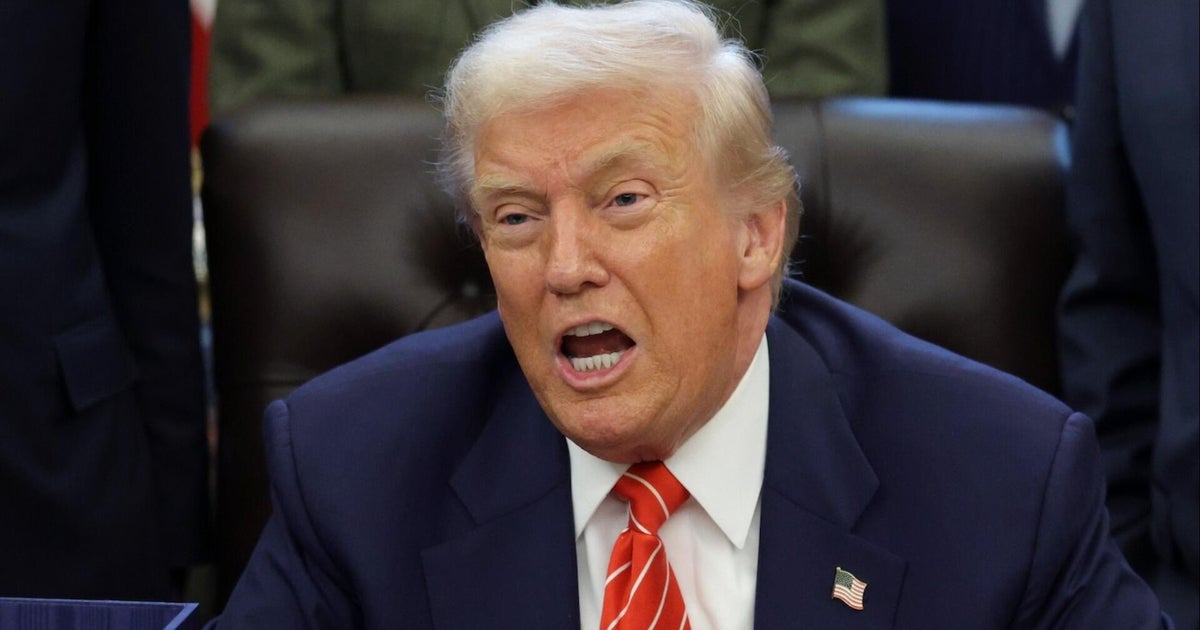
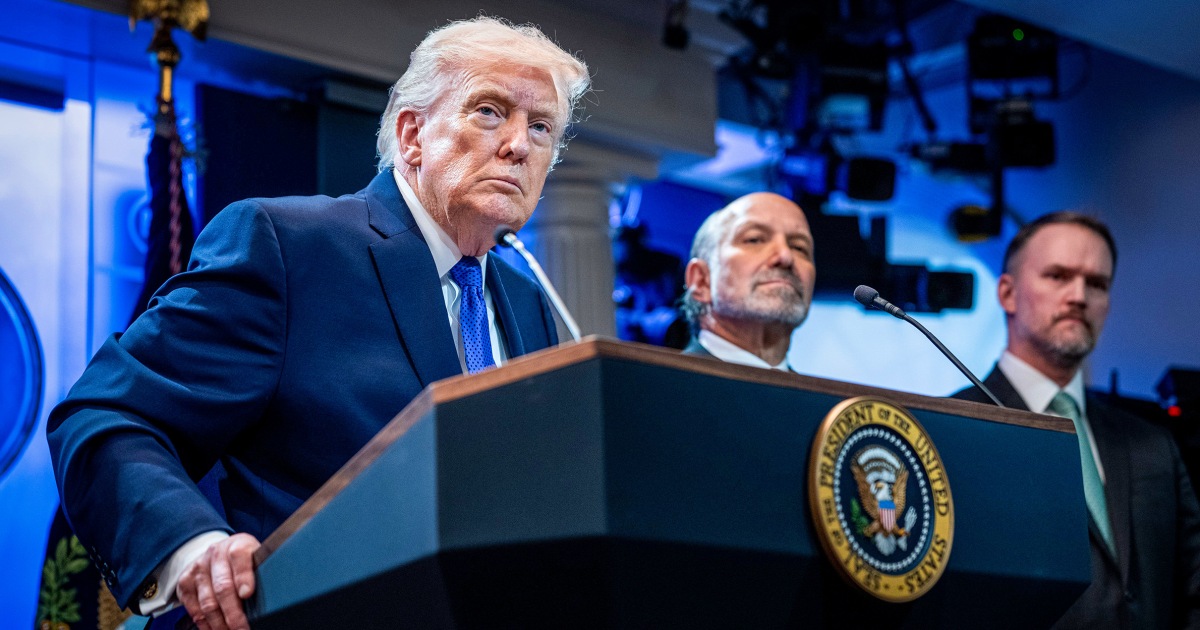
During a press conference following the ruling, Trump refrained from committing to issuing refunds, hinting that the process could be lengthy. "They take months and months to write an opinion, and they don't even discuss that point," he remarked. "What happens to all the money we took in? It wasn't discussed." He further speculated, "I guess it has to get litigated for the next two years."
The Penn Wharton Budget Model estimates that businesses could be owed as much as $165 billion in tariff refunds. However, without any existing procedures for automatic refunds or a portal for applications, the situation remains precarious.
Wayne Winegarden, a senior fellow at the Pacific Research Institute, described the potential refund process as "unprecedented." He emphasized that the government is unlikely to proactively offer refunds, stating, "The bottom line is that the government didn't have the authority to levy the tax, so they are entitled to refunds." Yet, he cautioned that some businesses might hesitate to pursue claims due to fears of retribution from Trump.
"It's a complicated mess. For businesses, it's a crapshoot," Winegarden explained. "He's a punitive person, so that will keep them from asking."
The Supreme Court's ruling invalidated country-based tariffs under IEEPA, which account for approximately 60% of U.S. tariff revenue collected monthly, according to Penn Wharton.
At an event in Dallas, U.S. Treasury Secretary Scott Bessent expressed uncertainty about whether the federal government is obligated to issue refunds. "The Supreme Court did not rule on that today—they pushed it back down to the International Tax and Trade Court," he said. "My sense is that could be dragged out for weeks, months, years."
Meanwhile, the Trump administration is exploring alternative powers to replace IEEPA tariffs. "We can use other statutes, other tariff authorities," Trump stated on Friday, announcing plans for a 10% global tariff under Section 122 of the 1974 Trade Act.
Alex Jacquez from Groundwork Collective reported that over 1,000 claims for tariff refunds have already been filed with the Court of International Trade and expects this number to surge following the Supreme Court's ruling. "Those cases have been stayed since the Supreme Court decided they would take this on—now they will all go forward," he said.
Shawn Phetteplace of Main Street Alliance urged prompt action from the White House regarding refunds. "We are going to work really hard to get the money back because it's the kind of money that can make a business unsustainable," he stated, highlighting that some small businesses have permanently closed due to increased tariff costs.
"If tariffs are deemed illegal, then the money should be paid back," Phetteplace added. "You would hope they follow the law and the ruling."
In light of the Supreme Court's decision, some state leaders have also called for refunds to be issued to American consumers. California Governor Gavin Newsom stated in a social media video, "Trump took hard-earned money from the pockets of working families and the American people. Time to pay up." Illinois Governor JB Pritzker demanded that every household in his state receive $1,700 each—a total of $8 billion—reflecting estimates by Democratic lawmakers regarding tariff costs borne by U.S. families.