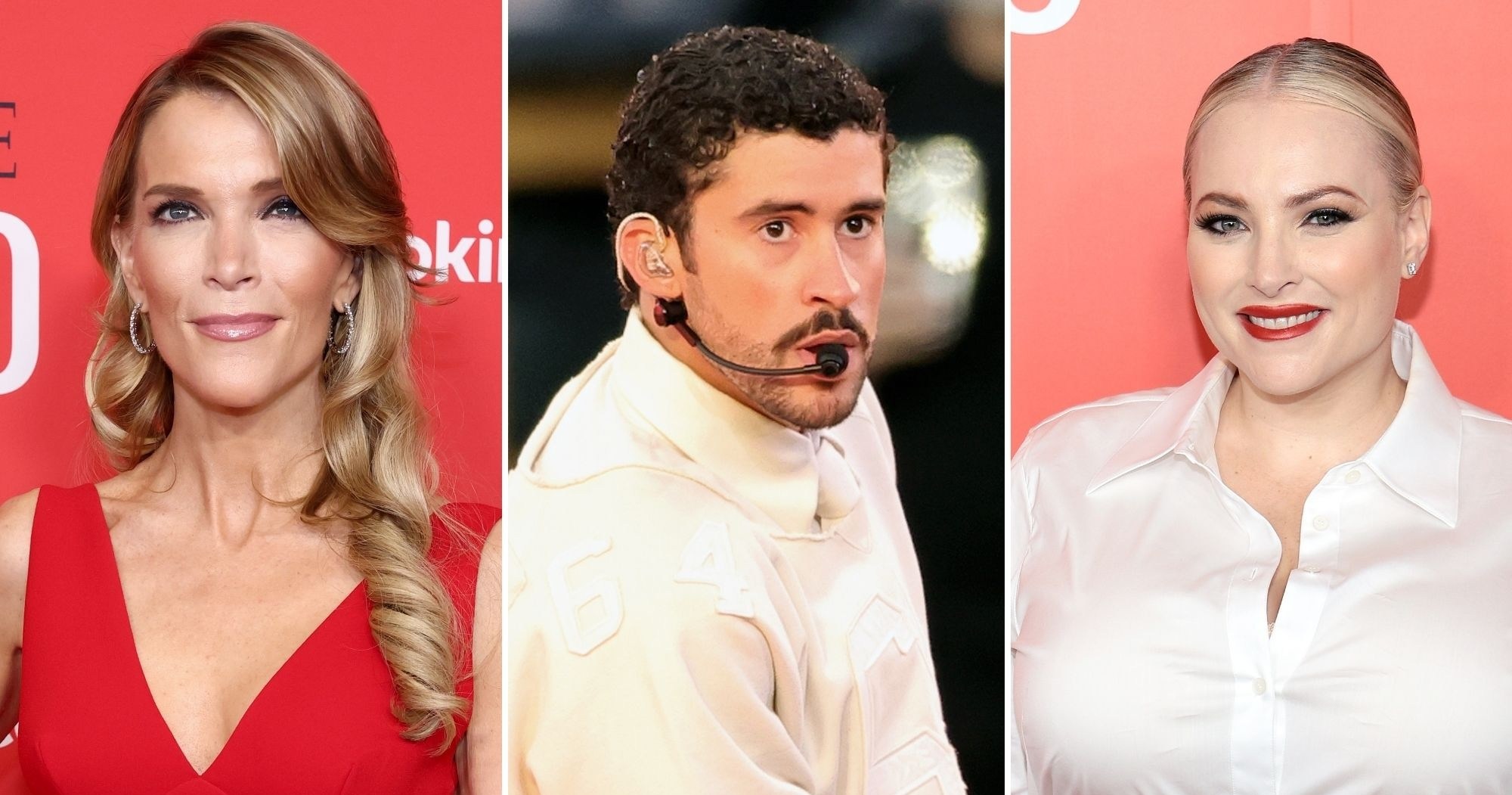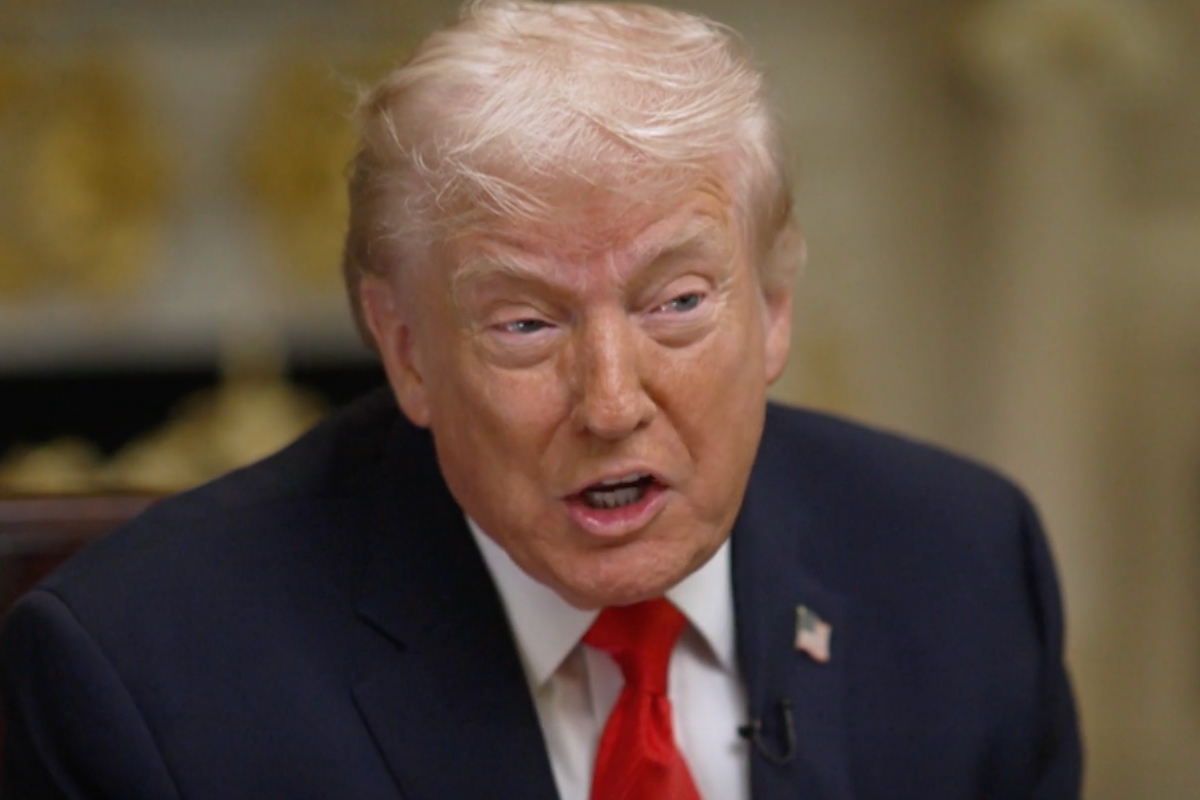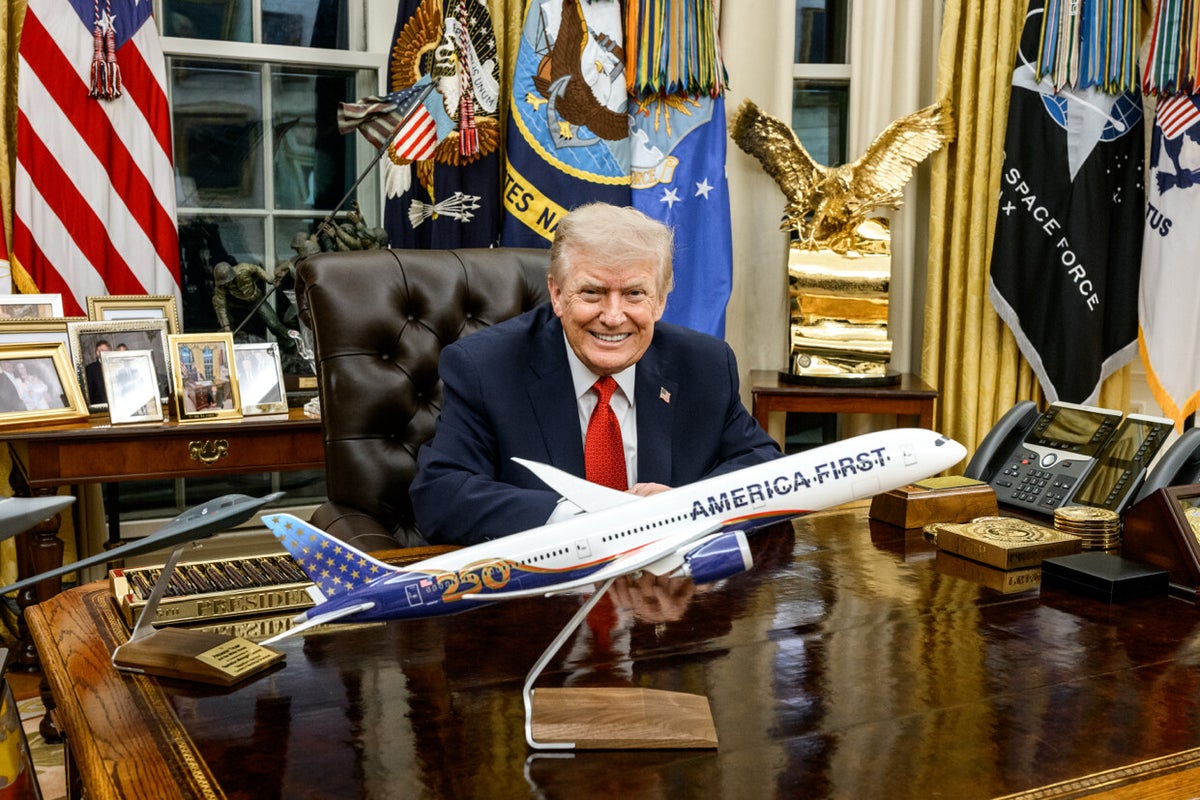
Former President Donald Trump has recently targeted reggaeton star Bad Bunny, igniting discussions about the implications for his standing among Latino voters. During a rally, Trump criticized the artist's music and public persona, suggesting that such figures do not represent the values of the Latino community.
“I don’t think they want to hear that kind of music,” Trump stated, implying that Bad Bunny’s influence could be detrimental to cultural integrity. This comment comes as Trump seeks to regain support from a demographic that has shown increasing skepticism towards his policies and rhetoric.
Political analysts are now questioning whether these remarks will resonate negatively with Latino voters, particularly younger ones who have embraced Bad Bunny as a cultural icon. The artist's music often addresses themes of identity and social issues, which may resonate more with his fans than Trump's traditional messaging.
In recent years, Latino voters have become a crucial demographic in elections, especially in battleground states. Trump's previous comments on immigration and race have already strained his relationship with this group. As the 2024 election approaches, the stakes are high for both parties to engage effectively with Latino constituents.
“It’s a delicate balance,” noted one political strategist. “Trump’s base may appreciate his comments, but he risks alienating a broader audience that includes many young Latinos who see Bad Bunny as a voice for their generation.”
As the campaign unfolds, it remains to be seen how Trump's ongoing critique of cultural figures will shape voter sentiment. With Bad Bunny's popularity soaring, particularly among younger audiences, the former president's strategy could backfire if it fails to connect with the values and interests of Latino voters.
Polling data indicates that Latino support for Trump has fluctuated in recent years, with many expressing discontent over his administration's handling of immigration policies. The artist's fanbase, which spans across various demographics, may view Trump's comments as an attack on their culture rather than a political stance.
As both parties prepare for the upcoming election cycle, the intersection of culture and politics will likely play a significant role in shaping voter behavior. The question remains: will Trump's remarks about Bad Bunny serve as a rallying cry for his supporters or push away potential Latino allies?