
Analysts Dissect Megyn Kelly's Recent Commentary on Trump, Uncovering Disturbing Insights
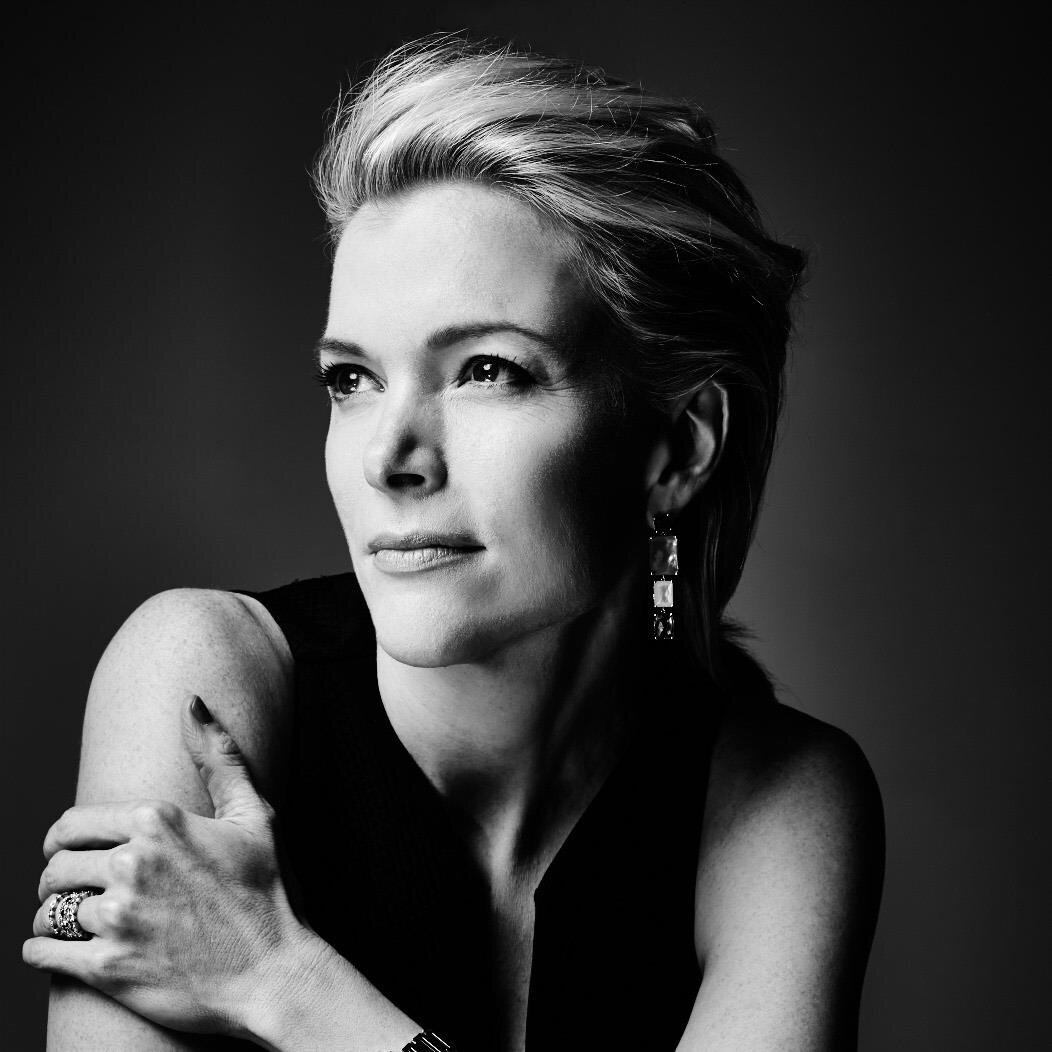
Megyn Kelly, a prominent voice in right-wing media, recently admitted to overlooking some of Donald Trump’s more troubling traits. This revelation has sparked a wave of analysis from experts in public humanities and American studies, who argue that the qualities Kelly chose to ignore are significant and concerning.
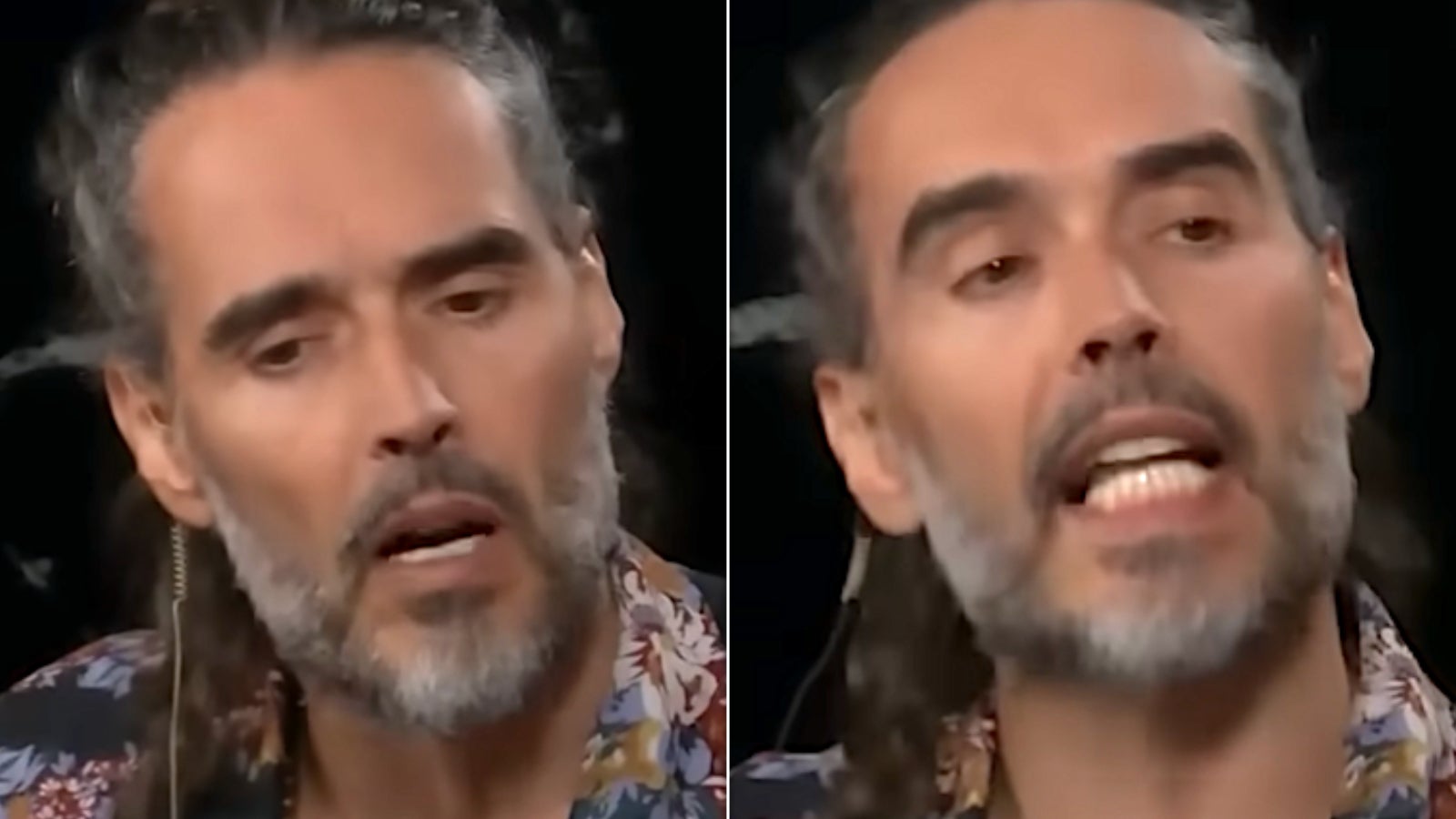
On her podcast, “The Megyn Kelly Show,” which aired Wednesday, comedian Russell Brand posed a question that has lingered in political discourse: Why do people continue to support Trump despite increasing criticism from various quarters, including Kelly herself?
Kelly pointed to Trump’s “charming” humor as a redeeming quality before veering into familiar right-wing rhetoric. “He stood up against the race dogma, the trans dogma, the xenophobe dogma about having a southern border in a way that was very admirable,” she stated. “We were losing those wars.”
“Trump was the bulwark against it, saying ‘Hell no,’” she continued, yet she later acknowledged that there are aspects of Trump’s character that are “obviously not good.”
“He’s not a moral man. He’s obviously not the greatest husband in the world. He’s extremely petty and thin-skinned,” Kelly remarked, adding that despite these flaws, she still finds much to appreciate about him. “Some of those darker demons are much more in the front view right now because he’s like a cornered animal,” she noted.
Experts have pointed out that the willingness of MAGA supporters to overlook Trump’s flaws reveals a troubling trend of “unscrupulous willful blindness.” Deepak Sarma, a distinguished scholar at Case Western Reserve University, emphasized that Trump’s shortcomings were apparent from the beginning. “Their support reflects a pattern of unscrupulous willful blindness,” he stated, highlighting the responsibility supporters bear for enabling and normalizing behavior they once defended.
Sarma further explained that this endorsement not only solidified MAGA support but also reassured those within Christian communities who had reservations about Trump’s ethical conduct. “It’s unacceptable to normalize a president whose conduct consistently falls below democratic expectations,” he asserted.
As Sarma elaborated on Trump’s leadership style, he described it as “marked by pettiness, volatility, and an inability to tolerate dissent.” This raises questions about Trump’s judgment and stability, particularly as Kelly and other MAGA figures align themselves with him while setting aside principles they once championed.
Kari J. Winter, a professor of American studies at the University at Buffalo, expressed concern over the fascination many Americans have with Trump. “For more than a decade, millions have been mystified by how our relatives and friends have been enthralled by a conman with a history of lies and fraud,” she said.
Winter criticized Trump’s behavior as antithetical to the values of Christianity and other major religions, noting that his most fervent supporters claim he is aligned with God. Meanwhile, Kelly has joined other MAGA supporters like Tucker Carlson in publicly condemning Trump’s stance on the U.S.-Israeli conflict, which has drawn ire from the former president.
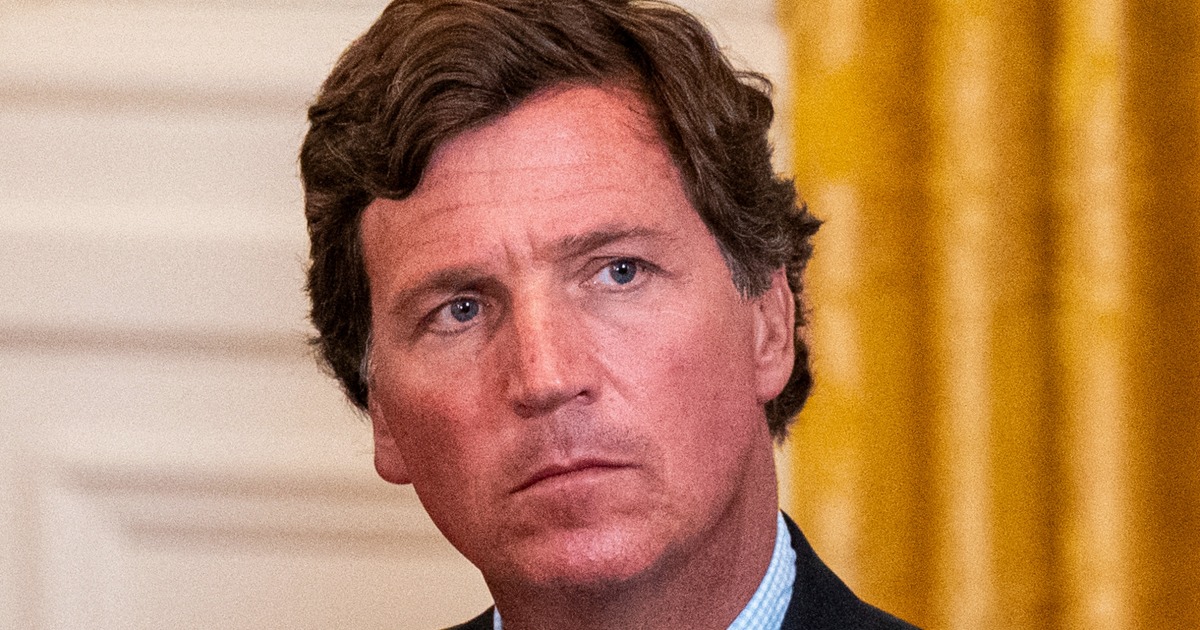
Earlier this week, Carlson admitted that he and others on the right feel “implicated” in their role in Trump’s election. “I do think it’s a moment to wrestle with our own consciences,” he confessed. “And I want to say I’m sorry for misleading people.”
In response to their criticisms, Trump took to his Truth Social platform to lash out at both Carlson and Kelly. Kelly remarked on her podcast that Trump is “turning on his most loyal supporters because they don’t support this war.”
Sarma noted that Kelly and other MAGA stalwarts are beginning to recognize that “the emperor is naked.” This admission can be interpreted in two ways: either they failed to see what was obvious or they believe Trump has served his purpose and can now be discarded.
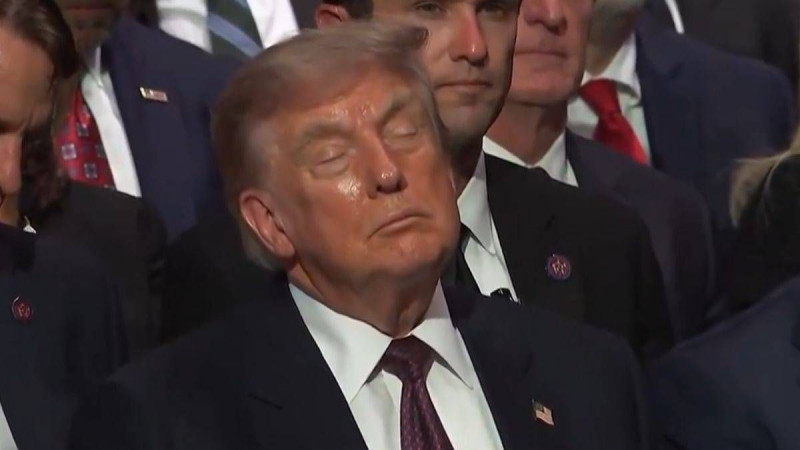
Sarma pointed out the irony in MAGA-aligned outlets dismissing mainstream media as “fake news” while engaging in their own misrepresentation of Trump’s cognitive lapses and moral failings. “That support was not merely partisan; it was reckless,” he stated.
As figures like Kelly and Carlson shift their tone toward Trump, it remains unclear whether this reflects a strategic move or a genuine reconsideration of their positions. “Their shift suggests a recognition that continued association carries growing political and personal risk,” Sarma concluded.
Winter added that many who oppose Trump are yearning for narratives of transformation. “After witnessing this administration flood the zone with assaults on democracy, we believe our only hope is for citizens to wake up,” she said.
However, she cautioned that figures like Kelly and Carlson are adept at manipulating rhetoric for their gain. “Unlike Trump, they are aware that his power is waning,” Winter noted. She believes their recent comments may be more about self-preservation than genuine change.
Ultimately, Winter argues that both influencers are detrimental to American politics and must be held accountable for their actions. “We cannot expect them to illuminate a path out of this American midnight,” she concluded.