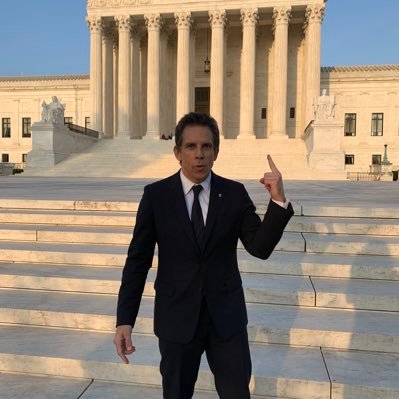
On Friday, Ben Stiller took to social media to express his discontent with the White House, which had utilized a clip from his 2008 film, "Tropic Thunder," in a post that appeared to rally support for military action against Iran.
The White House shared a 42-second montage on Thursday, titled “JUSTICE THE AMERICAN WAY,” featuring scenes not only from Stiller’s comedy but also from iconic films like “Braveheart,” “Gladiator,” “Breaking Bad,” and “The Matrix.” The video was met with widespread ridicule and criticism.
Stiller, who directed and co-wrote "Tropic Thunder," responded swiftly. He demanded the removal of the clip, stating, “Hey White House, please remove the Tropic Thunder clip. We never gave you permission and have no interest in being a part of your propaganda machine. War is not a movie.”
Attempts to reach the White House for comment went unanswered. However, Stiller's concerns highlight a troubling trend where pop culture references are employed to stir patriotic fervor for military endeavors.
Earlier in the week, the Trump administration had released a video that combined footage from the “Grand Theft Auto” video game series with actual strikes on Iranian targets, further blurring the lines between entertainment and real-world conflict.
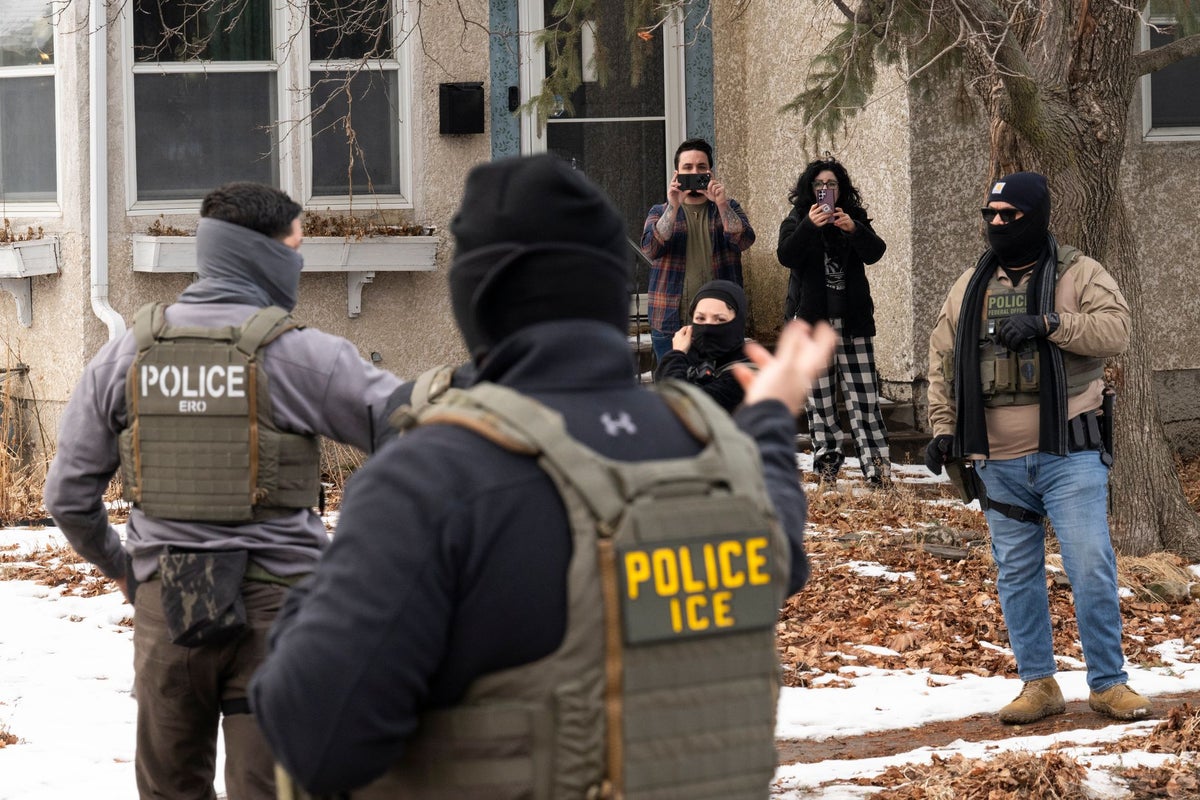
This is not an isolated incident; the Trump administration has frequently faced backlash for using music and film clips without authorization to promote its agenda. Recently, Radiohead publicly condemned the administration after their song “Let Down” was used by Immigration and Customs Enforcement in a controversial campaign against what they termed “criminal illegal alien violence.”
Similarly, singer Sabrina Carpenter criticized the White House for using her song “Juno” in a post showcasing ICE arrests, labeling the video as “evil and disgusting” and demanding her music not be associated with such actions.
In another instance, Kenny Loggins expressed his outrage after his song “Danger Zone” was featured in an AI-generated video depicting the president in a derogatory light towards protesters. The pattern of using artistic works without consent raises significant ethical questions about the intersection of politics and popular culture.