
Joe Biden is gearing up for a legal brawl as the Trump administration pushes to unleash a staggering 70 hours of audio from his private chats with ghostwriter Mark Zwonitzer. This isn't just another political skirmish; it's a potential legal firestorm that could reignite the long-simmering controversy surrounding classified documents from Biden's presidency.
According to court documents, Justice Department lawyers anticipate Biden will attempt to "prevent any such disclosures" of these recordings. The tapes feature intimate interviews from 2017, where Biden opened up about his late son Beau while crafting his memoir, 'Promise Me, Dad.' But hold on—these recordings have already caught the eye of special counsel Robert Hur, who scrutinized them during his investigation into Biden's handling of classified materials.
The saga kicked off thanks to a Freedom of Information Act lawsuit filed by the conservative Heritage Foundation, which is hell-bent on accessing records linked to Hur's probe. The DOJ has warned U.S. District Judge Dabney Friedrich that sifting through these tapes is no walk in the park; with 70 hours of audio potentially containing classified info, it’s a legal labyrinth. They did manage to unearth six electronic files, totaling 117 pages, that seem to be verbatim transcripts from a fraction of those Biden-Zwonitzer sessions.
Hur's report, due in February 2024, declared that "no criminal charges are warranted" against Biden. However, it also revealed that investigators found evidence suggesting Biden retained and disclosed classified materials post-vice presidency. FactCheck.org pointed out that while Hur didn’t recommend charges, he did criticize Biden for some public statements regarding the report.
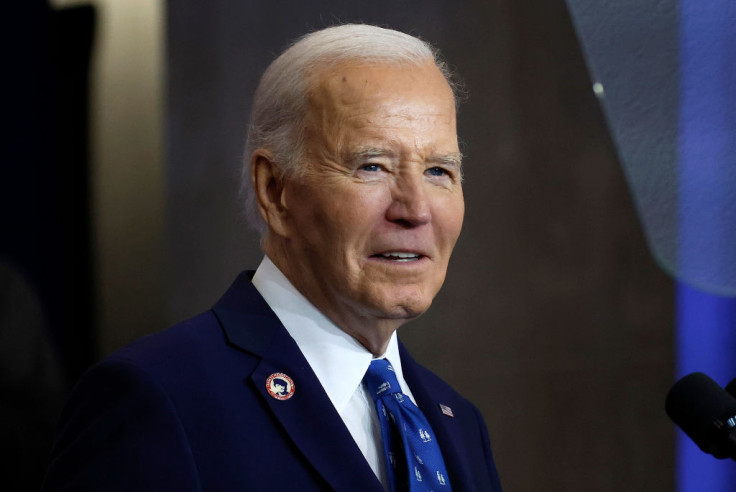
The ghostwriter tapes have become a hot-button issue in this investigation. Hur's findings indicated that Biden read from notebooks during his discussions with Zwonitzer, and some of those passages? You guessed it—classified. Zwonitzer has collaborated with Biden on previous works like 'Promises to Keep' and 'Promise Me, Dad,' but his deletion of certain recordings after the federal probe began raised eyebrows. Hur opted not to charge him, citing cooperation and a lack of criminal intent.
This legal tussle also resurrects an earlier battle over executive privilege. Back in 2024, the Biden White House blocked the release of audio from Biden's interview with Hur, claiming Republicans were after the tapes for political gain and could manipulate them. Reports surfaced that House committees were ready to move forward with contempt proceedings against Attorney General Merrick Garland after the administration refused to hand over the audio.
Adding another layer of complexity, the DOJ has expressed concerns about audio manipulation in our AI-driven world. In 2024, they cited the threat of AI-generated deepfakes as a reason to keep Biden's interview recording under wraps.
Now, with Trump back in the White House and Biden out of office, the political landscape has shifted dramatically. The Justice Department is operating under new leadership, making this case even more volatile. Any release of these recordings could spark fierce debates about Biden's memory, his handling of classified materials, and whether there's a double standard in how presidents are treated based on their party affiliation.
The court hasn't yet mandated a full release of the tapes, but the latest filings underscore that these recordings are a legal, political, and reputational powderkeg—one that could drag Biden back into federal court long after he’s left the Oval Office.