


Congress Faces a Reckoning as Allegations of Sexual Misconduct Emerge
In Washington, D.C., the fallout from sexual misconduct allegations is reshaping the political landscape. Allegations against prominent figures have led to resignations, signaling a potential shift in how such issues are addressed within the halls of power.
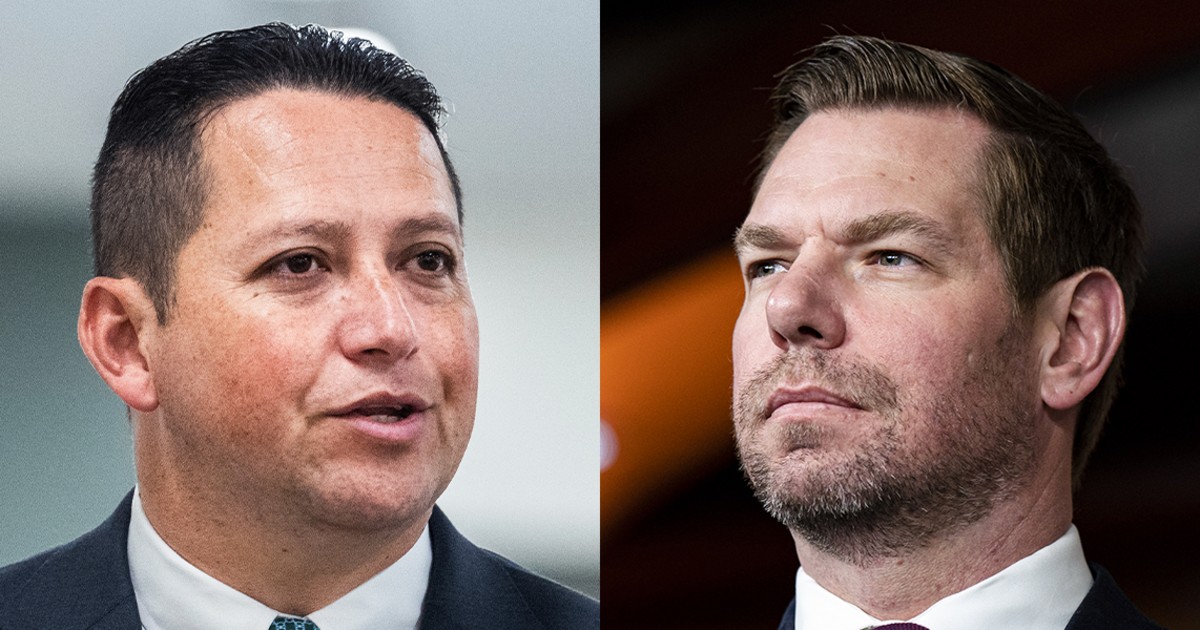
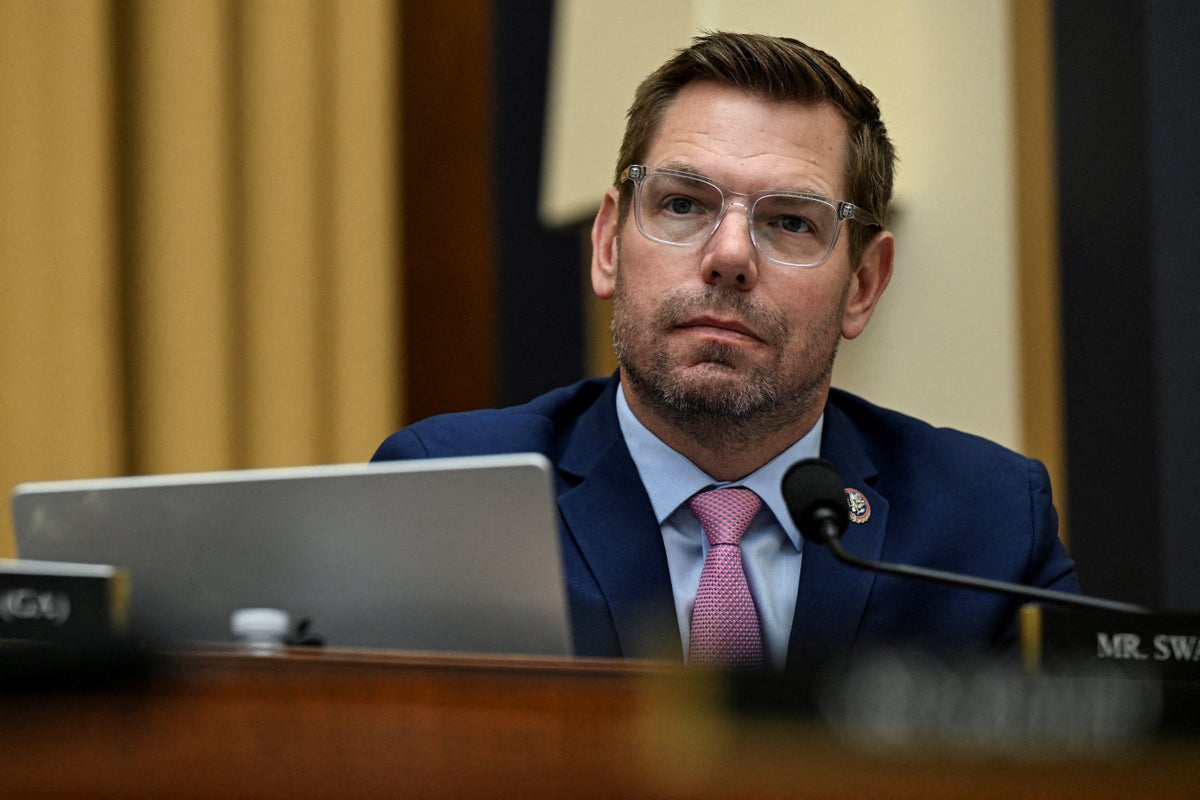
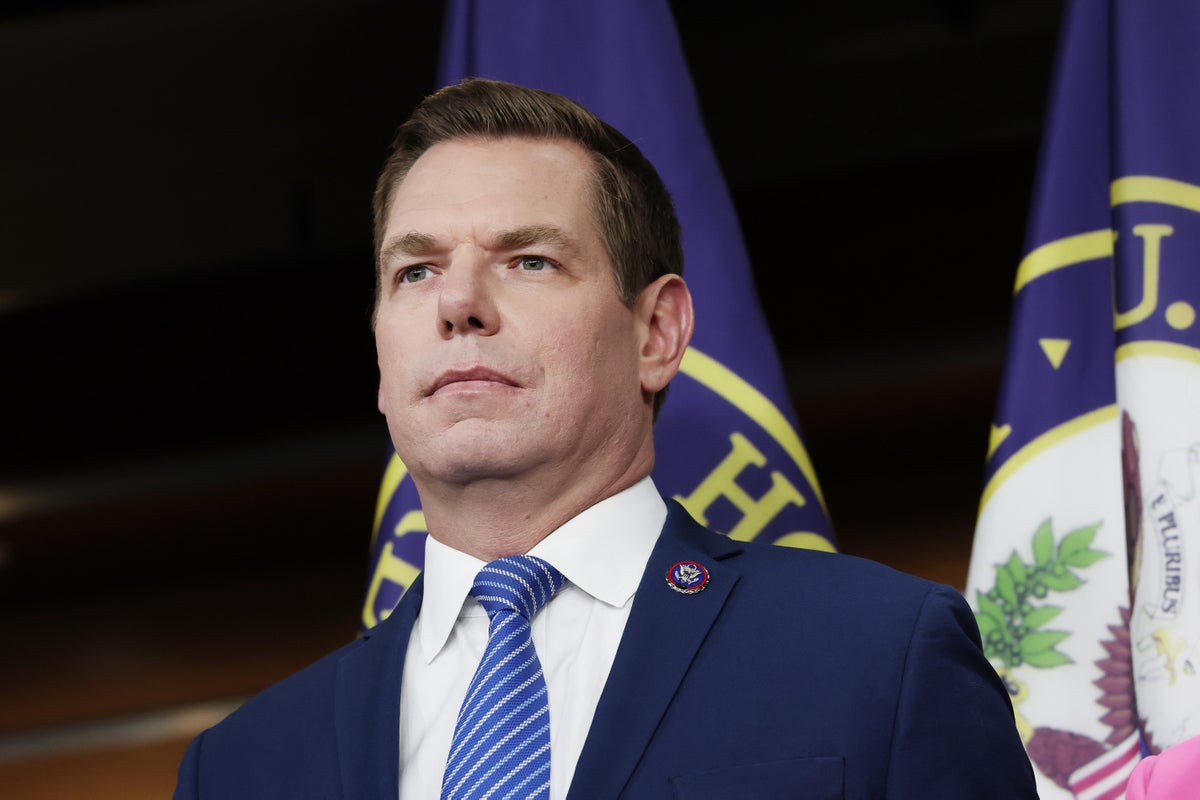
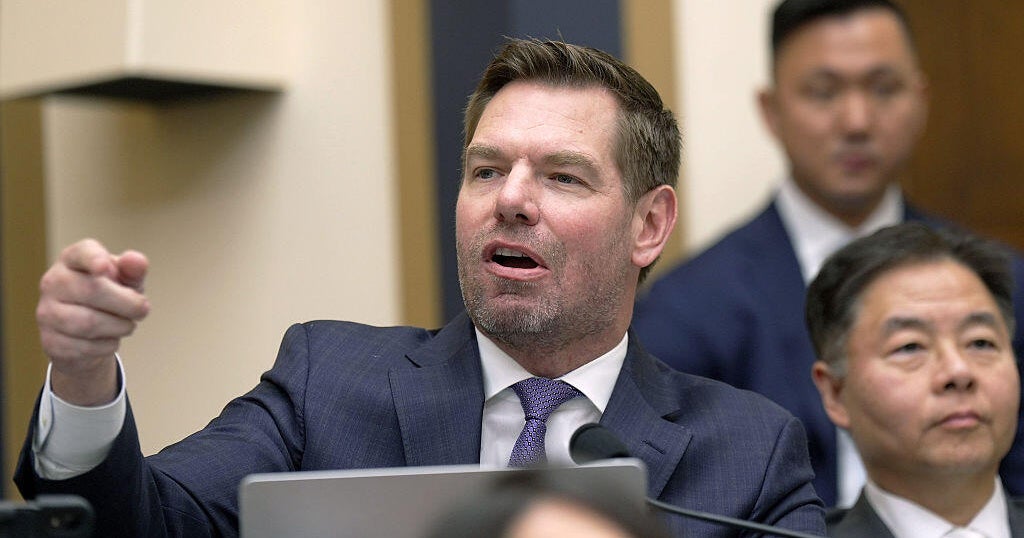
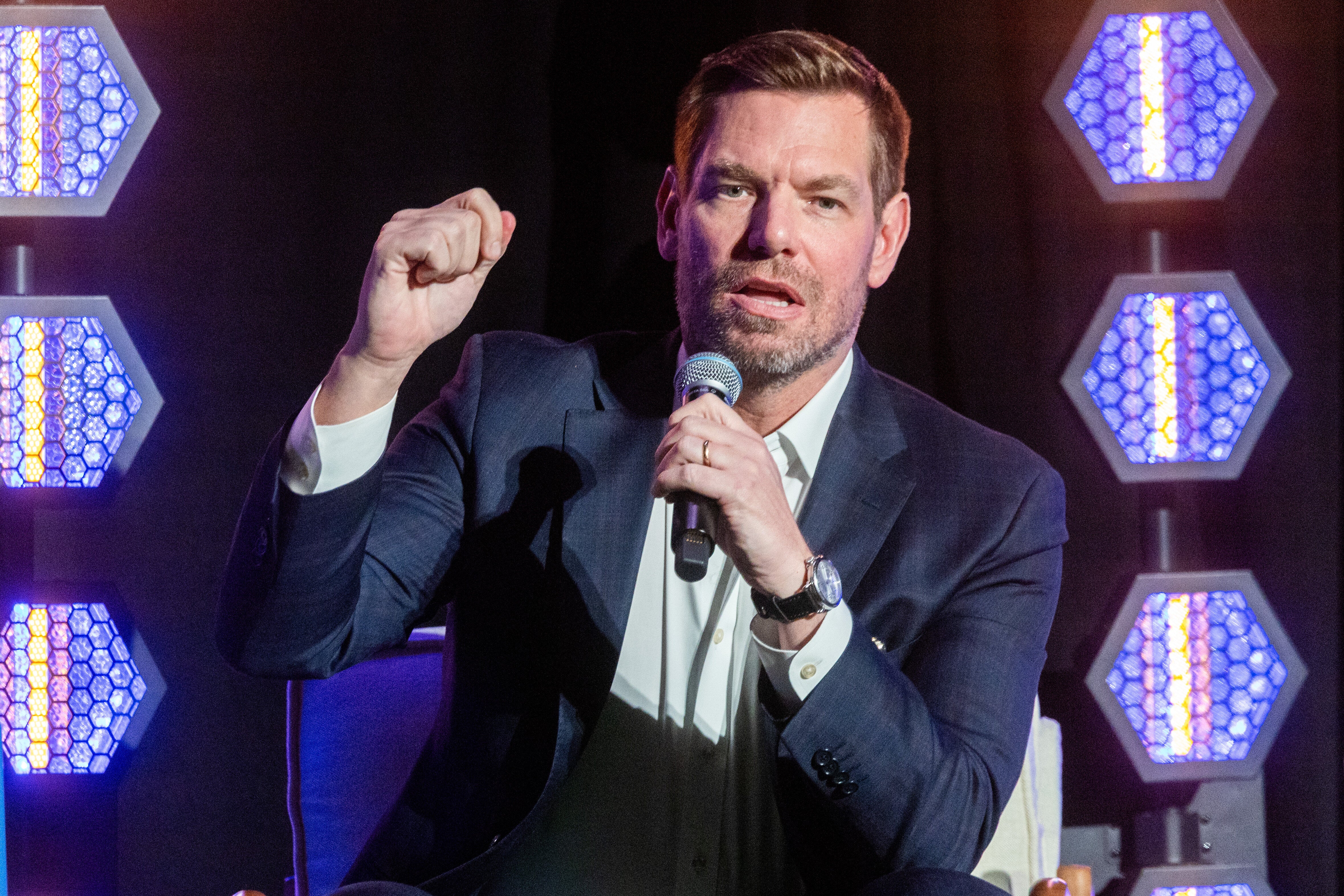
Democratic Congressman Eric Swalwell and Republican Tony Gonzales, both 45 and married fathers, have stepped down amid serious accusations. Swalwell faces allegations of drugging and assaulting a woman in 2018, alongside claims of making unwanted advances, which he categorically denies.
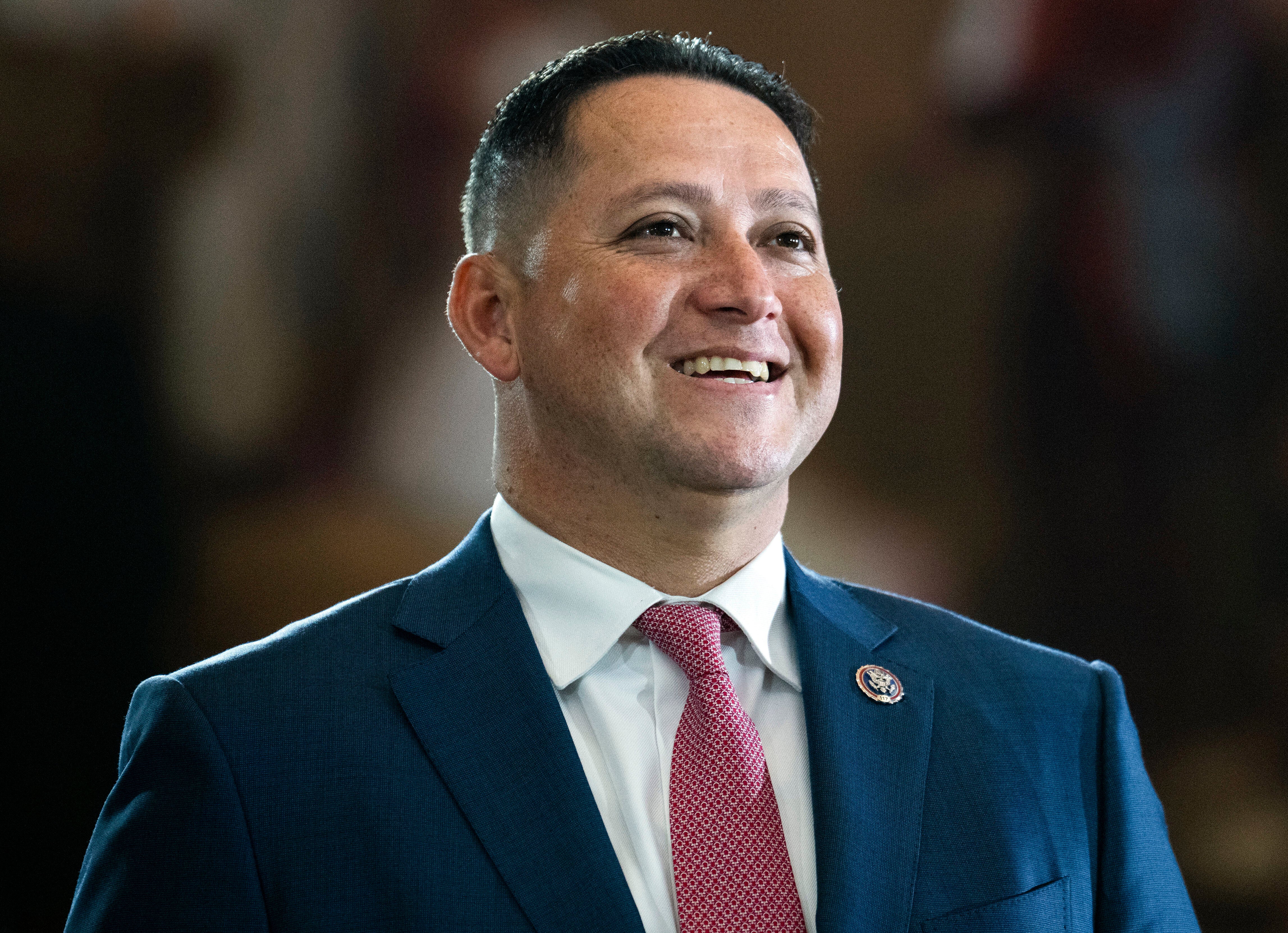
Gonzales resigned after admitting to an inappropriate relationship with his former staffer, Regina Santos-Aviles, who tragically died by suicide in September 2025. He has stated he had “absolutely nothing to do” with her death. Recently, another woman accused him of sending her “hundreds” of sexually explicit messages.
This moment could represent a significant turning point for Congress, reminiscent of the #MeToo movement's peak in 2017. However, there is concern that history may repeat itself if the culture of silence persists.
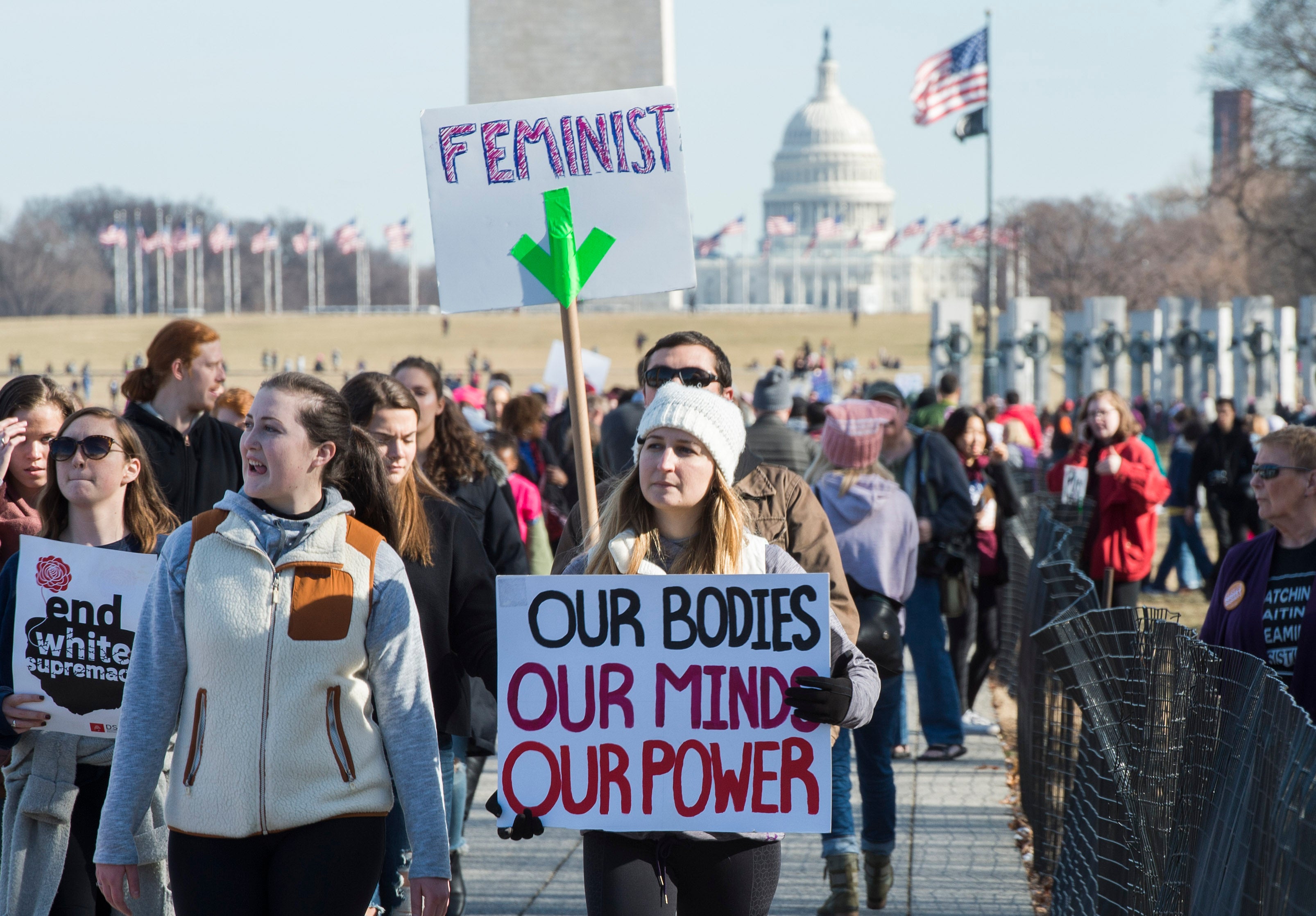
Women entering politics often hesitate to report misconduct by powerful figures, a reality that complicates the path to justice for survivors. The latest allegations have sparked discussions about breaking this silence.
Representative Alexandria Ocasio-Cortez highlighted the “punitive culture” in D.C. that discourages individuals from coming forward. Former GOP Representative Marjorie Taylor Greene echoed this sentiment, suggesting that the alleged behaviors of Swalwell and Gonzales are indicative of a broader issue within Congress.
“Congress is still a cesspool,” Greene remarked on social media. “I think there’s more members of Congress that are guilty of things similar to Congressman Swalwell and Congressman Gonzales, and we just haven’t seen them get caught,” she told a news outlet.
History supports Greene's assertion; American politics has long been marred by scandals involving sexual misconduct, from Bill Clinton to Donald Trump. It would be naive to assume that the current wave of resignations represents the entirety of the problem among the 535 members of Congress.
.png)
Reports indicate that at least 147 state lawmakers across 44 states have faced accusations of sexual harassment or misconduct since 2017, underscoring the pervasive nature of this issue.
Democrats close to Swalwell expressed disbelief at the allegations. “The man lived a double life,” remarked Senator Ruben Gallego, who felt misled about Swalwell’s true character.
The lingering question is how these men maintained their positions for so long despite widespread knowledge of their alleged misconduct. “We are supposed to be the party of not tolerating this stuff,” said Arielle Fodor, an advocate who helped bring Swalwell’s allegations to light. “This is a post-Epstein world and a post-#MeToo world, so you’d think we should have learned.”
Cheyenne Hunt, a former Capitol Hill staffer who supported women in coming forward about Swalwell, noted that while not all allegations involved assault, it was well-known that he exhibited inappropriate behavior.
Attention now turns to Republican Rep. Cory Mills of Florida, who faces domestic violence accusations but remains in office for now. He denies any wrongdoing.
Despite the global accountability movements following high-profile cases, progress in the U.S. appears stagnant since #MeToo gained traction in 2017. The pandemic further hindered momentum, leaving many issues unresolved.
Last month, the House rejected a proposal from GOP Rep. Nancy Mace aimed at making records from congressional sexual misconduct investigations public. Gonzales was among those who voted against it.
The aspiration for a future where victims can report abuse without fear remains distant. “Accountability cannot be selective,” stated Fatima Goss Graves, CEO of the National Women’s Law Center. “A jury has found our sitting president liable for sexual assault, and multiple members of his administration have faced credible allegations.”
“All women have the right to be free from sexual violence,” Graves emphasized, “regardless of who their boss is.”
For those affected by sexual violence, support is available through Rainn at 800-656-HOPE (4673).