




Democrats Face Internal Turmoil as Calls for Eric Swalwell's Resignation Intensify
Calls for Rep. Eric Swalwell’s resignation are echoing through the halls of Congress, fueled by serious allegations of sexual misconduct that have derailed his bid for California's governorship.
Yet, Swalwell is not alone in this precarious situation. A bipartisan coalition is forming, targeting House members from both parties who are accused of sexual harassment and abuse, potentially leading to a series of expulsion votes that could reshape the legislative landscape.
Historically, the House has expelled only six members since its inception, but this year could see as many as four additional lawmakers facing removal efforts.
Among those under scrutiny is Republican Rep. Tony Gonzales from Texas, who faces allegations of abuse involving a staff member. GOP members are prepared to push for his expulsion if he does not resign.
Further complicating matters, Republican Rep. Cory Mills is under investigation by the House Ethics Committee for domestic violence and campaign finance violations, while Democratic Rep. Sheila Cherfilus-McCormick has been found guilty of 25 ethics violations related to her campaign.
-in-the-House-Judiciary-Committee-o6zhgjxa.jpeg)
Calls for action are gaining momentum; Republican Rep. Mike Lawler is advocating for votes to expel Swalwell, Gonzales, and Cherfilus-McCormick, while GOP Rep. Nancy Mace insists Mills should also be included in this group.
“Time to clean House,” Lawler declared on social media. “These members have proven through their own actions they are unfit to serve.”
On NBC’s Meet the Press, Republican Rep. Byron Donalds expressed his support for expelling both Swalwell and Gonzales, stating, “I will be voting yes on both measures. These allegations are despicable and they demean the integrity of Congress.”
Democratic Rep. Eugene Vindman echoed these sentiments during an interview with CNN, emphasizing that “we should not tolerate this behavior.” He lamented the normalization of unacceptable conduct among elected officials.
Pramila Jayapal, another Democratic representative, voiced her support for expulsion measures, stressing the importance of protecting staffers from misconduct by their superiors.
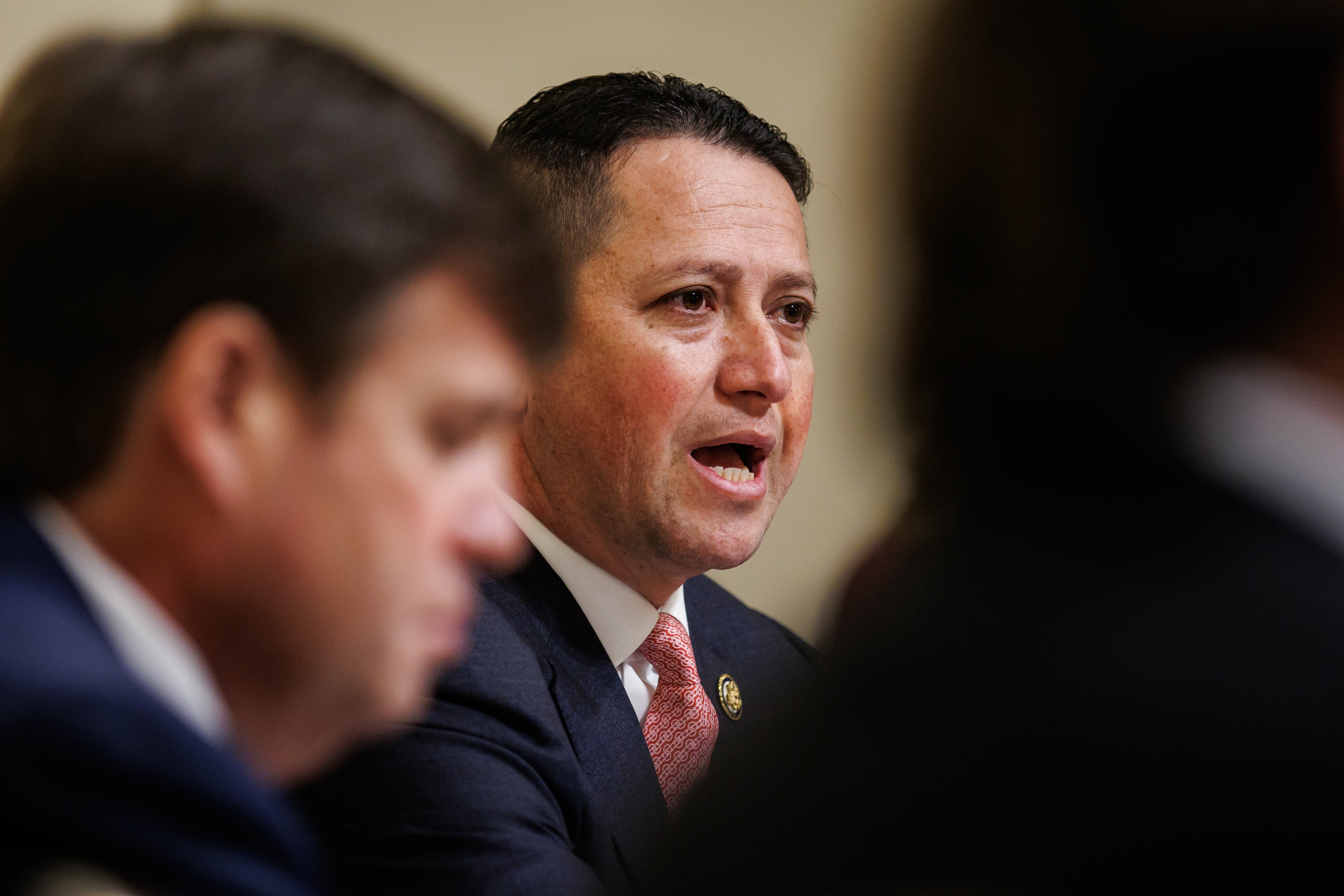
California Democrat Rep. Jared Huffman indicated he would back a vote to expel both Swalwell and Gonzales if they do not resign promptly.
Sam Liccardo, also from California, insisted that Swalwell must cease his campaign and resign to face a thorough investigation. “Democrats must not equivocate in the face of uncomfortable allegations about one of our own,” he stated.
The timeline and process for any potential removals could significantly impact House Speaker Mike Johnson’s ability to maintain control as lawmakers navigate pressing issues like Donald Trump’s legislative agenda and ongoing conflicts abroad.
The House Ethics Committee remains one of the few bipartisan entities in a divided Congress. Traditionally, it operates under an unspoken agreement where one party sacrifices a troubled member in exchange for similar concessions from the other side.
However, achieving expulsion is no small feat; it requires a two-thirds majority vote in the House. Historically, only six members have been expelled in 236 years, with most resigning in disgrace or facing removal after criminal convictions.

The precedent set by former Rep. George Santos has altered expectations regarding expulsion. Santos was ousted before any conviction on federal charges after being found guilty of misusing campaign funds and committing fraud.
Santos has since suggested that his colleagues should consider resigning before facing expulsion votes themselves. “There is NO dignity in being expelled,” he remarked recently. “If I could go back in time I’d do it differently.”