DOJ DEMANDS WASHINGTON TO VERIFY 405 VOTERS OR FACE LEGAL ACTION
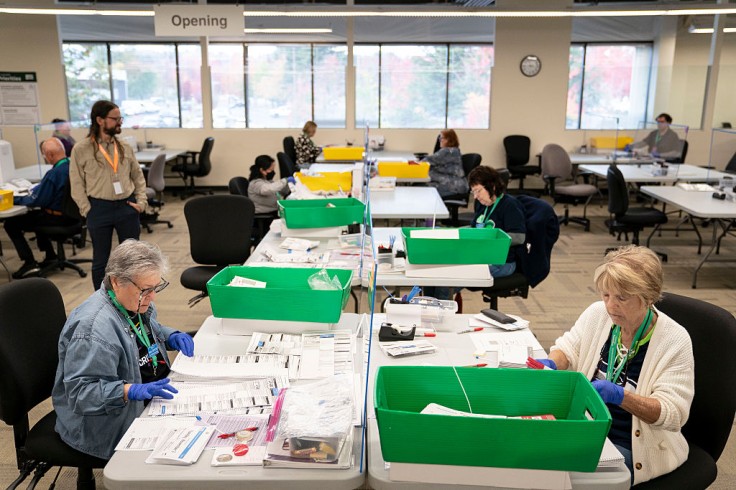
The U.S. Department of Justice has thrown down the gauntlet, demanding Washington state election officials verify the eligibility of 405 registered voters suspected of being noncitizens within 48 hours or face potential emergency legal action before the November 3 midterm elections.
Federal prosecutors Neil Floyd and Pete Serrano claim many on this list may be lawful permanent residents, who are barred from voting in federal elections. They allege that some individuals have cast ballots multiple times, including during recent primaries, with Floyd estimating over 1,500 ballots were illegally submitted.
The Justice Department's list emerged from a comparison of publicly available Washington voter registration records against federal government data. Prosecutors hinted that the Department of Homeland Security could soon add more names to this controversial roster.
Washington Secretary of State Steve Hobbs has raised serious doubts about the list's accuracy, pointing out that some records date back to the 1990s. His office cautioned that the screening system might misclassify eligible citizens as noncitizens, leading to wrongful disenfranchisement.
Hobbs slammed the timing of the DOJ's request, asserting it was "no doubt intended to cast unfounded suspicion on the results." As of now, federal prosecutors have not initiated a lawsuit to force Washington officials to segregate these ballots.
This move mirrors similar federal actions in California, where prosecutors demanded election officials in at least 18 counties verify suspected noncitizen voters and separate certain ballots within a tight 48-hour window. The Justice Department has also filed a lawsuit aimed at halting the counting of ballots linked to approximately 20,000 registered voters until their citizenship status is confirmed.
In California, U.S. District Judge David O. Carter heard arguments on October 27 and seemed hesitant to grant the government's emergency request. He indicated a ruling would come the following day, while California officials contested the reliability of the federal data and warned of possible disenfranchisement.
© {{Year}} Latin Times. All rights reserved. Do not reproduce without permission.