Twenty-five years have passed since a Clinton occupied the White House, yet the former first couple remains a fixture in the news cycle. The recent release of the Epstein files has compelled Bill and Hillary Clinton to testify before Congress, a development that underscores their ongoing entanglement with political controversies.
This moment represents a notable setback for the Clintons, who just a month ago were vehemently resisting calls to testify, framing their refusal as a principled stand against perceived injustices in the current political landscape. “Every person has to decide when they have seen or had enough and are ready to fight for this country, its principles and its people, no matter the consequences,” they articulated in a letter to James Comer, chair of the House Oversight Committee. “For us, now is that time.”
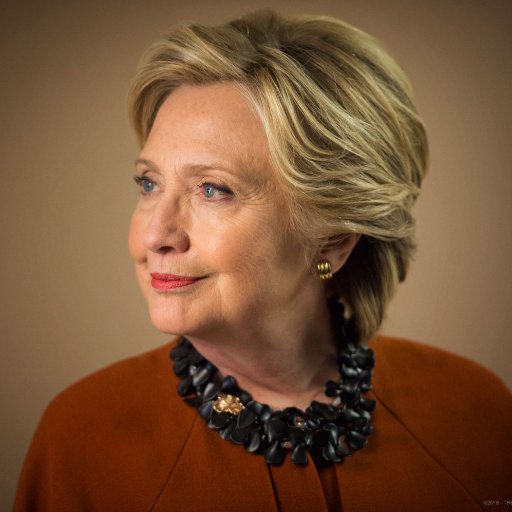
Yet, here they are—Hillary scheduled to appear via remote link today, followed by Bill tomorrow. In her opening statement shared on social media, Hillary claimed ignorance of Epstein’s crimes and suggested that Trump should also be questioned.
The animosity between Hillary and Trump runs deep. In 2016, she watched her aspirations of becoming the first female president crumble under the weight of Trump’s campaign, which disrupted the political status quo. Her infamous remark about Trump supporters being a “basket of deplorables” haunted her throughout the election, while Trump’s relentless attacks branded her as “crooked Hillary,” culminating in her electoral defeat.
Reflecting on that race, it was clear: “It was Hillary Clinton’s to lose – and she lost it.” Now, facing another public confrontation at the behest of her adversary, who has returned to the very White House she coveted, must be particularly painful.
Trump’s fixation on the Clintons—viewed as embodiments of the progressive internationalism he detests—has made their testimony a tantalizing prospect for MAGA Republicans. This situation signals a shift; the Clintons are no longer able to dictate terms as they once did. The Democratic Party, initially divided over supporting their refusal to testify, has rallied behind transparency as revelations from the Epstein files continue to emerge.
Democratic members of the Oversight Committee have indicated they will not shy away from tough questions. Hillary maintains she had no personal dealings with Epstein, while Bill insists his interactions were limited to charitable donations and flights associated with those causes. He emphasizes that he severed ties with Epstein before the latter’s 2009 conviction for soliciting prostitution from a minor.
However, images surfacing of Bill Clinton alongside Ghislaine Maxwell—Epstein’s associate now serving time for her role in his crimes—complicate their narrative. While nothing in the released files directly implicates him in illegal activities, public sentiment surrounding these revelations places the Clintons squarely in the crosshairs of a Republican movement eager to link them with Epstein’s notorious legacy.
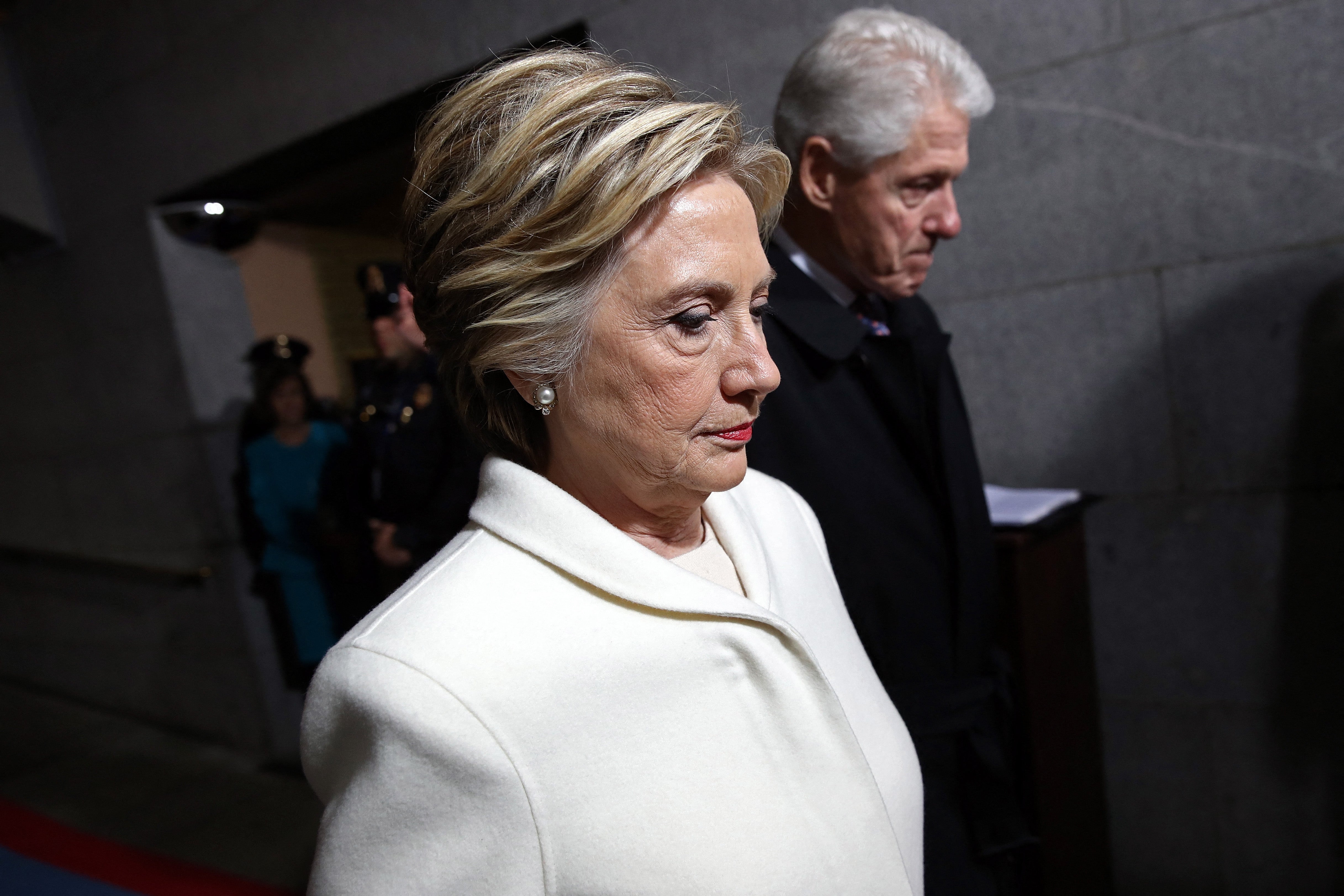
For Bill and Hillary, both now in their 70s and still active in global initiatives, this moment is critical for their legacy. They remain celebrated by center-left supporters who recall the positive aspects of Bill’s presidency—his charisma and diplomatic relations—but face scrutiny over past behaviors that would not be excused today.
The fallout from the Epstein files has also reignited discussions about their extensive network of wealthy donors through the Clinton Foundation. The political landscape has shifted dramatically; figures like Borge Brende and Larry Summers have resigned from public roles due to their connections with Epstein, making the Clintons’ reluctance to discuss their past associations appear evasive.
Even their upcoming testimony has been subject to intense negotiations to avoid giving the impression that they are being “put on trial.” Two lawyers will accompany them during their remote depositions—Hillary on Thursday and Bill on Friday—from their home in upstate New York. Their legal teams insisted on separate appearances to avoid comparisons to Shakespearean tragedy: “It would look like the Macbeths were on trial,” remarked a former aide. “And that is exactly what Trump wants.”
Despite this, the Clintons have managed to negotiate terms regarding what topics can be explored during their testimony. They plan to address alleged mismanagement of federal investigations into Epstein and Maxwell—an implicit critique of Trump’s partisan approach—and discuss potential improvements in combating sex trafficking.
Yet there lies a perilous territory: examining how Epstein and Maxwell ingratiated themselves with powerful figures while evading scrutiny raises questions about systemic failures within elite networks. This inquiry inevitably implicates not just the Clintons but a broader spectrum of influential individuals who turned a blind eye to troubling behaviors.
Their predicament illustrates a significant shift in political dynamics; once dominant figures are now navigating a landscape where accountability is demanded. The Clintons’ legacy hangs in the balance as they confront an evolving narrative that challenges their long-held positions.