

EPA's MAHA Agenda: Empty Promises and Corporate Priorities
Environmental Protection Agency administrator Lee Zeldin promised a Make America Healthy Again (MAHA) agenda after activists petitioned for his removal, but eight months later, that agenda remains nonexistent. The EPA claims MAHA is an ongoing effort, not a single report, leaving activists frustrated and disillusioned.
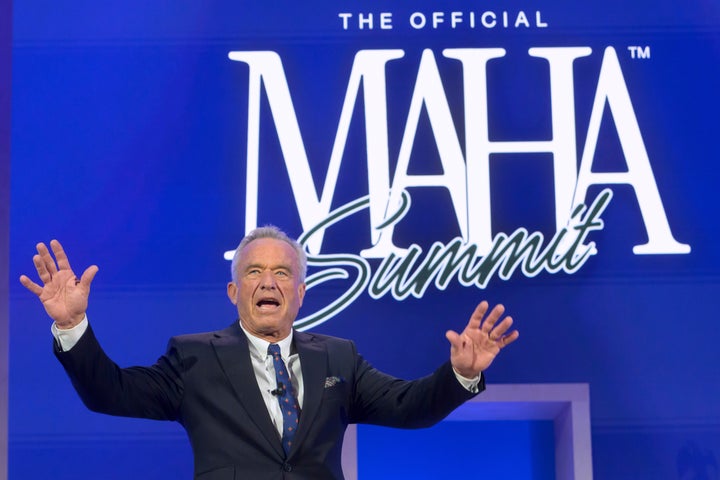
Health Secretary Robert F. Kennedy Jr.’s MAHA movement faces a barrage of setbacks, as the Trump administration continues to roll back environmental regulations. Activists express skepticism about any significant action on pesticides and chemicals, which they believe are crucial to combatting America’s chronic disease epidemic.
“I had really hoped that there would be specific steps that were taken through a MAHA agenda,” said activist Kelly Ryerson, known for her focus on nontoxic food systems. “We haven’t had any of the wins that we were requesting.”
Many MAHA activists, who played a role in Trump’s election victory, are now prioritizing issues over party loyalty in the upcoming congressional elections, raising the stakes for their relationship with the Republican administration.
“People are done with the profits of corporations being prioritized over public health,” stated molecular toxicologist Alexandra Muñoz, emphasizing the potential impact on midterm elections.
Zeldin’s EPA has aggressively pursued deregulation, including attempts to overturn the finding that climate change poses a threat to human health. He has rolled back numerous environmental regulations, claiming it was “the greatest day of deregulation our nation has seen,” while freezing billions for clean energy initiatives.
The agency is also working to ease pollution limits from smokestacks and tailpipes, further alarming environmental advocates. Despite this, Zeldin has touted several “MAHA wins,” which activists argue are misleading. For instance, while he mentioned regulating phthalates for environmental risks, he ignored the thousands of consumer products containing these chemicals.
This week, the EPA shifted its narrative regarding the MAHA report, stating that its actions should speak for themselves rather than being encapsulated in a single document. An agency spokesperson claimed that work on MAHA priorities is “active and expanding every day.”
Ryerson and other activists have engaged with EPA officials about desired changes and occasionally achieved some success. However, they criticize the agency for using their efforts to justify new herbicide proposals, which Ryerson labeled a “slap in the face.”
In a recent ruling, the Supreme Court sided with Bayer regarding its Roundup weedkiller, further complicating the MAHA movement’s goals. The Trump administration supported Bayer in this case, signaling a lack of commitment to addressing pesticide concerns.
Environmental activists assert that Kennedy’s MAHA mission has heightened public awareness of pesticides and raised expectations for action from the Trump administration. “If RFK and the MAHA movement hadn’t put that issue in the center of the public spotlight, no one would be scrutinizing this nearly as closely,” remarked Sarah Starman from Friends of the Earth.
In April, Zeldin included microplastics and pharmaceuticals on a list of contaminants potentially subject to regulation under the Safe Drinking Water Act, responding to activist pressure. However, by late June, the EPA excluded these substances from a list of chemicals slated for testing under a mandatory program aimed at identifying harmful drinking water contaminants.
This decision rendered previous public health promises “functionally toothless,” according to Betsy Southerland, a former senior official in EPA’s water office. Zeldin claimed that testing technology for microplastics is still under development and that it was “not feasible” to create an analytical method within the required timeframe.
Southerland criticized this as a “classic Zeldin bait-and-switch,” noting that after generating media attention on microplastics, the EPA has stalled progress.
A White House report released early in Trump’s second term identified long-term exposure to environmental chemicals as a leading cause of chronic disease in children. Jeremy Symons from the Environmental Protection Network criticized Zeldin for merely paying lip service to MAHA while making Americans less safe from toxic chemicals.
Industry lobbyists have gained influence at the EPA alongside MAHA’s impact. Kyle Kunkler, a former soybean industry lobbyist, now leads pesticide policy at the agency. The continued use of dicamba, linked to increased cancer risks, exemplifies corporate pressure on regulatory decisions.
Zen Honeycutt from Moms Across America condemned this trend as indicative of corporate influence over EPA policies. The agency employs several former industry insiders, including Nancy Beck and Lynn Dekleva from chemical lobbying groups.
The EPA maintains that Kunkler and other political appointees have consulted with ethics officials to address potential conflicts of interest. A spokesperson claimed that the MAHA movement has driven the agency’s work since Trump took office, citing initiatives like $945 million in grants aimed at reducing “forever chemicals” in drinking water.
However, Ryerson and others view the absence of a promised MAHA agenda as a tactic to evade accountability. “It absolves them of any failures, especially when it comes to midterms,” she said. “They won’t have to point to some list that they haven’t been able to achieve really anything on.”