European Allies Alarmed by U.S. Push for Hasty Iran Agreement
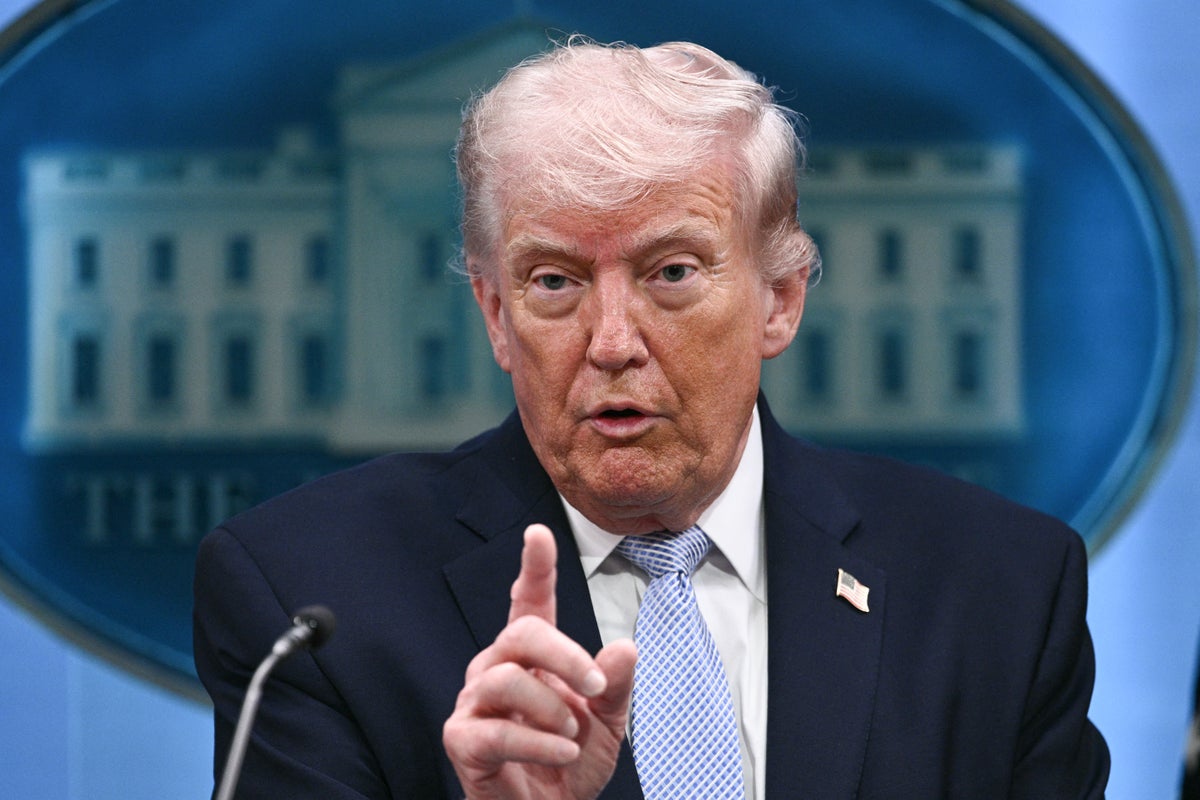
European diplomats express deep concerns about the U.S. strategy in ongoing negotiations with Iran, suggesting that an inexperienced American team is prioritizing a swift, high-profile agreement that may worsen existing tensions rather than resolve them.
Veteran diplomats familiar with Tehran's intricacies warn that Washington's urgency to secure a diplomatic win for President Trump could culminate in a superficial deal regarding Iran’s nuclear program and sanctions relief.
Such an agreement, they caution, might trigger complex and prolonged follow-up discussions.
"The worry isn’t about the absence of an agreement," stated a senior European diplomat, one of eight who shared insights with reporters, all of whom have extensive experience with the nuclear negotiations. "It's about a flawed initial agreement that could spawn endless downstream issues."
The White House has dismissed these apprehensions, asserting confidence in its negotiating approach. "President Trump has a proven track record of securing beneficial deals for the United States and will only endorse one that prioritizes American interests," spokesperson Anna Kelly remarked.
Diplomats from France, Britain, and Germany—nations that began talks with Iran in 2003—claim they have been marginalized in the current negotiations.
From 2013 to 2015, these countries collaborated with the U.S. to forge a deal aimed at curbing Iran’s nuclear ambitions in exchange for sanctions relief, known as the Joint Comprehensive Plan of Action (JCPOA).
Trump's withdrawal from this landmark agreement in 2018, which was a cornerstone of his predecessor's foreign policy, has left lingering tensions.
Following 40 days of airstrikes, U.S. and Iranian negotiators resumed discussions in Islamabad earlier this month, revisiting the familiar trade-off of nuclear restrictions for economic relief. Signs of renewed face-to-face negotiations emerged in the Pakistani capital over the weekend.
However, diplomats highlight that profound mistrust and divergent negotiating styles heighten the risk of establishing a fragile framework that neither party can politically sustain.
"It took us 12 years and immense technical work,” remarked Federica Mogherini, who led the talks from 2013 to 2015. "Does anyone genuinely believe this can be accomplished in just 21 hours?"
While a basic agreement may be within reach, centered around nuclear and economic packages, the nuclear aspect remains highly contentious.
"The Americans seem to think that agreeing on three or four points in a five-page document suffices, but each clause regarding nuclear issues opens up numerous potential disputes," noted another European diplomat.
Current discussions are centered on Iran's stockpile of approximately 440 kilograms (970 pounds) of uranium enriched to 60%, material that could be further refined for nuclear weapons.
The preferred method involves "downblending" under the supervision of the International Atomic Energy Agency (IAEA), while another option includes shipping some material abroad.
Turkey and France have been suggested as potential destinations for this material. However, sending it to the United States poses significant political challenges for Iran, while Russia remains an unattractive option for Washington, according to two diplomats.
Even these alternatives would necessitate extensive negotiations concerning the recovery of materials potentially buried by airstrikes, as well as verifying quantities and ensuring secure transport.
Iran has also proposed storing materials abroad for a specified duration.
"Whatever transpires now is merely a starting point,” said a Western diplomat involved in previous nuclear discussions. "That’s why the 2015 JCPOA extended to 160 pages."
Beyond stockpile issues lies the fundamental debate over Iran’s right to enrich uranium. Trump has publicly advocated for zero enrichment, while Iran maintains its right to enrich uranium for civilian purposes and denies any intentions of developing a bomb.
A potential compromise could involve a temporary moratorium followed by a resumption at minimal levels under stringent conditions.
European diplomats emphasize that a central role for the IAEA, including rigorous verification and unrestricted access, is crucial.
"Negotiating with Iran is meticulous and nuanced: every word carries weight," stated Gérard Araud, France’s chief negotiator from 2006 to 2009. “This is not something to rush through.”
The economic discussions focus on lifting sanctions and unfreezing Iranian assets.
In the short term, Iran seeks access to limited frozen funds overseas, while broader sanctions relief would require European cooperation, as Iranian leaders view European trade as vital for long-term stability.
Officials indicate that Washington is once again separating an agreement in principle from its painstaking follow-up process, a strategy they argue risks misinterpreting Iranian political culture.

"These negotiations aren't akin to a real estate deal concluded with a handshake,” remarked a senior regional diplomat briefed by Tehran, referencing Trump's main negotiators' backgrounds. "They involve sequencing, sanctions relief, and reciprocal nuclear steps.”
The ongoing conflict has hardened Iran’s position, demonstrating its ability to withstand pressure while still seeking financial relief.
Tehran’s primary demand remains a non-aggression guarantee following attacks by the U.S. and Israel during previous diplomatic efforts.
This concern resonates among U.S. allies; Gulf states are keen on addressing Iran’s ballistic missile capabilities and proxy activities, while Israel advocates for stringent constraints.
Conversely, Iran views its remaining missile capabilities as essential deterrents after the war diminished its military strength.
Diplomats assert that demanding total disarmament would be unrealistic without broader security assurances.
A senior official from the Trump administration indicated that Washington's redlines include halting uranium enrichment, dismantling major enrichment facilities, recovering highly enriched uranium, and accepting a broader de-escalation framework involving regional allies.
European officials concede they have partially sidelined themselves by advocating for the reimposition of U.N. sanctions last year and designating Iran’s Revolutionary Guards as a terrorist organization.
However, they assert that their decision to remain uninvolved in the conflict has not gone unnoticed in Tehran.
"There’s simply not enough expertise within this U.S. team,” remarked one European official, highlighting that around 200 diplomats and experts were engaged in the 2015 negotiations. "We’ve been working on this issue for two decades.”
A White House official confirmed that representatives from the National Security Council, State Department, and Defense Department were present in Islamabad and continue to be involved in the discussions.