


US Considers Granting Iran Access to $20 Billion in Frozen Assets for Enriched Uranium
Negotiations between the United States and Iran have taken a potentially pivotal turn, as reports indicate a proposal that could allow Iran access to $20 billion in frozen assets in exchange for over 900 pounds of enriched uranium. This information comes from two unnamed U.S. officials and additional sources.
Amid ongoing discussions, the U.S. aims to prevent Iran from utilizing approximately 4,400 pounds (2,000 kg) of enriched uranium, of which 992 pounds (450 kg) is enriched to a purity level of 60 percent, currently stored beneath its nuclear facilities.
This proposed deal, if confirmed, would represent a notable advancement toward President Trump's objective of ensuring that Iran remains without the capability to develop nuclear weapons—a primary rationale behind his administration's military strategies.
However, the irony is palpable; Trump has previously criticized an agreement from the Obama administration that involved a $400 million cash payment to Iran. The juxtaposition of these two approaches raises questions about consistency in U.S. foreign policy.
White House Spokesperson Anna Kelly refrained from validating the Axios report but emphasized that “productive conversations” with Iran are ongoing. “Only announcements from President Trump or the White House — not anonymous sources — should be taken as fact,” she stated, underscoring the administration's stance on public negotiations.
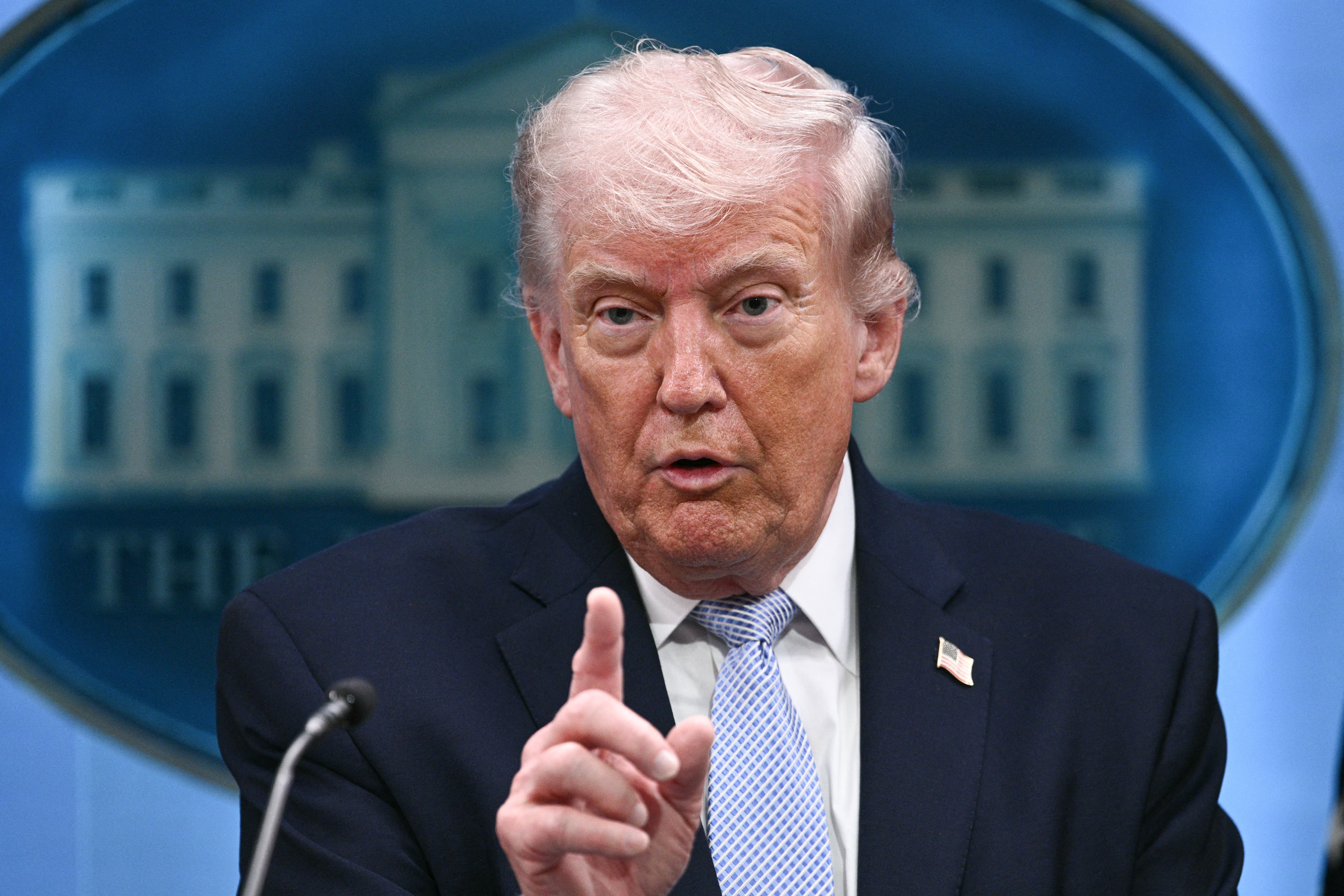
In a post on Truth Social, Trump hinted at a similar arrangement but with notable differences. He asserted, “The U.S.A. will get all Nuclear ‘Dust,’ created by our great B2 Bombers - No money will exchange hands in any way, shape, or form.”
The term “nuclear dust” refers to highly enriched uranium buried following U.S. military actions against Iran’s nuclear sites during Operation Midnight Hammer in June 2025.
Trump has consistently criticized the 2016 agreement under former President Obama, which included a $1.7 billion payment to Iran as part of a legal settlement. He has publicly condemned this deal, arguing that such funds should never have been transferred.
The initial installment of this payment coincided with Iran's release of several American detainees, leading Trump to accuse Obama of misleading the public regarding the nature of the transaction.
Yet, Trump's assertion that no money would be exchanged seems to contradict reports suggesting that the U.S. would grant Iran access to its frozen assets.
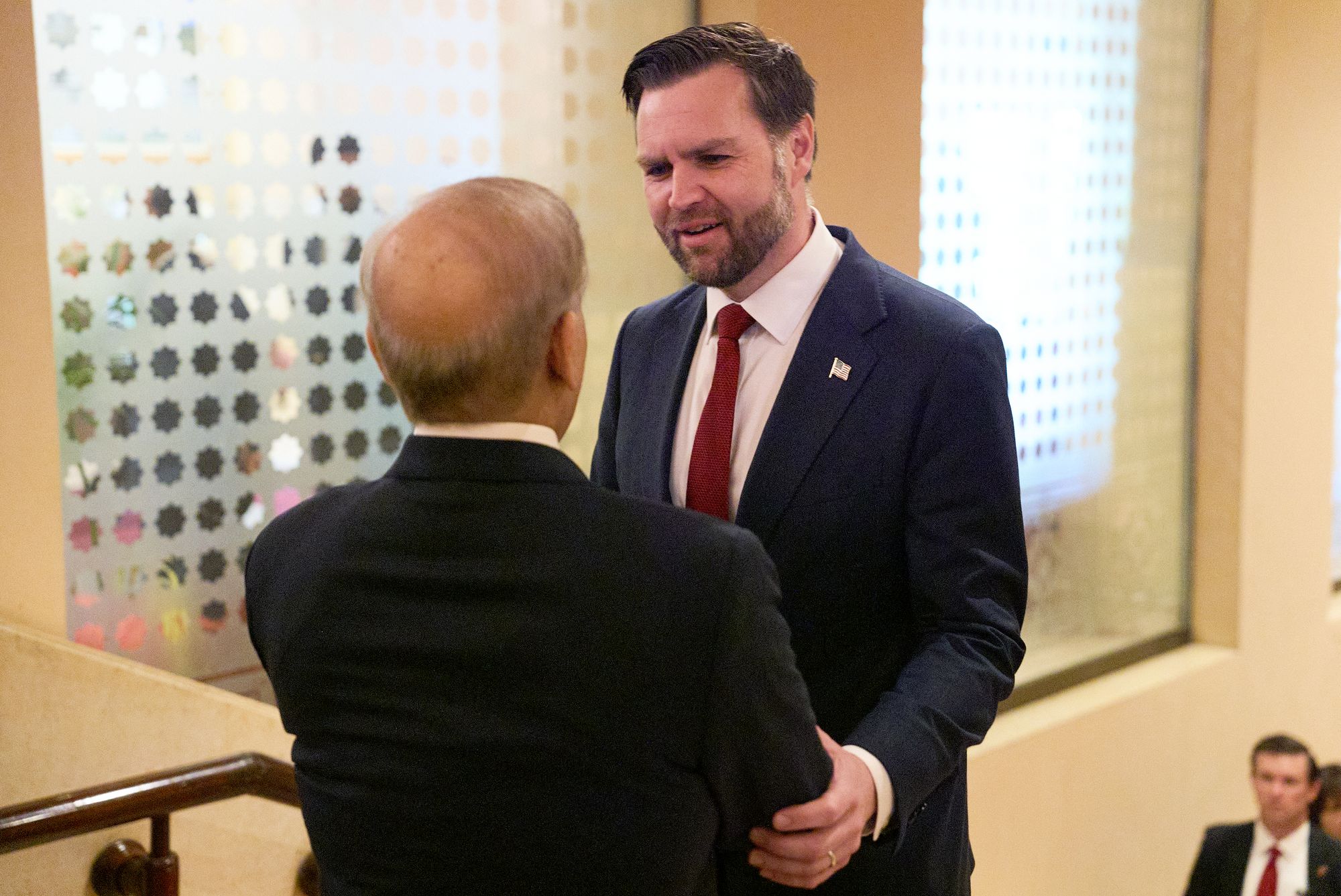
Discussions between the U.S. and Iran have reportedly included options such as transferring some enriched uranium to a third nation or blending it down under international oversight within Iran.
The specifics regarding which frozen assets might be accessible to Iran remain unclear. Initial reports indicated that the U.S. had proposed releasing $6 billion for humanitarian purposes, but Iranian officials countered with a demand for $27 billion.
In the coming days, U.S., Israeli, and Iranian officials may convene for a second round of discussions in Islamabad, although no formal talks have been officially announced yet.