
Federal Government Poised to Transform Your Sports Viewing Experience
The landscape of live sports viewing in America is on the brink of a significant transformation as the federal government considers revising long-standing antitrust regulations. This move aims to address the escalating costs that have burdened millions of fans.
Earlier this year, the Federal Communications Commission (FCC) initiated a public comment period to gather insights on the evolving sports viewing experience, heavily influenced by the rise of streaming platforms. The agency's inquiry reflects a growing recognition that traditional broadcasting methods are being overshadowed by digital alternatives.
Lawmakers are increasingly advocating for updates to licensing rules, acknowledging the dominance of streaming giants such as Apple, Amazon, and Netflix in the sports arena. The financial strain on viewers is palpable; flagship events like NFL playoffs are becoming prohibitively expensive.
“The broader economics of sports are often overlooked,” remarked a media consultant specializing in streaming. “Leagues prioritize profit over fan satisfaction, and as long as people keep paying for these services, there’s little incentive for change.”
As cable subscriptions decline, many fans have turned to platforms like Roku and YouTube TV for their sports fix. Major companies like Comcast, Paramount, and Disney have launched their own direct-to-consumer streaming services, further fragmenting the market.
According to a 2025 report by Parks Associates, 43 percent of U.S. households with internet access engage with sports content, while 70 percent utilize streaming services. An Associated Press poll from the same year revealed that 60 percent of dedicated sports fans subscribe to niche streaming services like MLB TV or ESPN+.
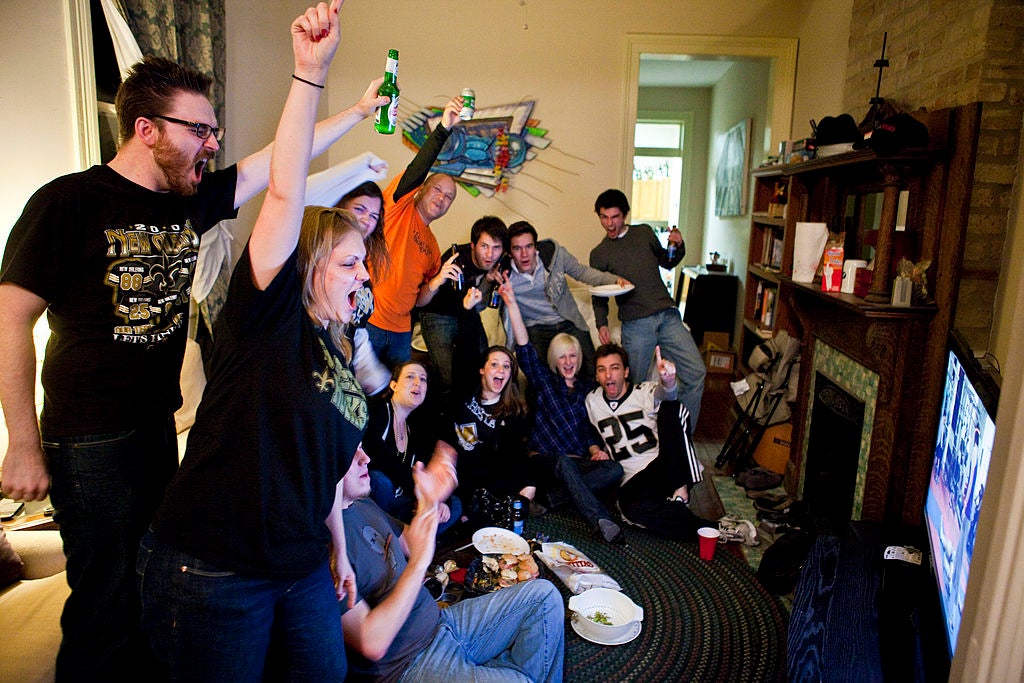
This fragmented streaming environment has driven costs to unprecedented levels. Fans wishing to catch every NFL game last season faced expenses exceeding $1,000, requiring subscriptions to nearly a dozen different services, as per FCC estimates.
Such high costs have alienated many viewers. The AP poll indicated that about half of those who follow sports expressed dissatisfaction with their spending on sports content.
Randy Alavarez, a 35-year-old resident of Los Angeles, shared his frustrations after cutting cable in 2022. His “hodgepodge” streaming setup has resulted in missed games due to rising costs. Similarly, John So, a 45-year-old Texan, lamented the additional fees for local sports networks that deter him from watching regularly.
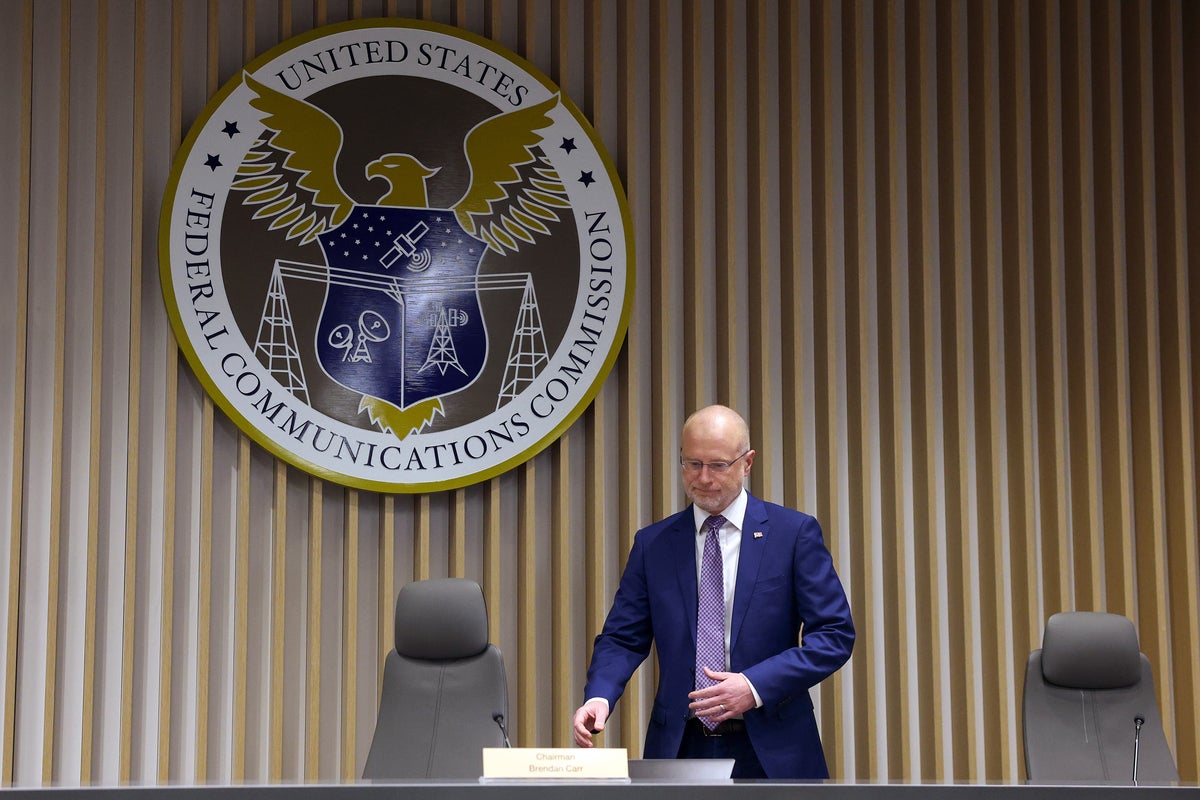
On February 25, the FCC announced it was opening a public comment period focused on sports broadcasting practices. “For decades, Americans have enjoyed turning on their television sets and quickly finding the games they wanted to watch for free on an over-the-air broadcast,” the agency stated. “Yet watching your favorite sports team play is not as easy these days.”
The FCC highlighted that sports coverage has increasingly shifted behind paywalls on streaming platforms. While this expansion offers more options, many viewers struggle to find their desired games and must subscribe to multiple services.
The agency is specifically seeking comments until April 13 regarding local blackout restrictions—situations where televised events are not aired in certain markets due to contractual agreements.
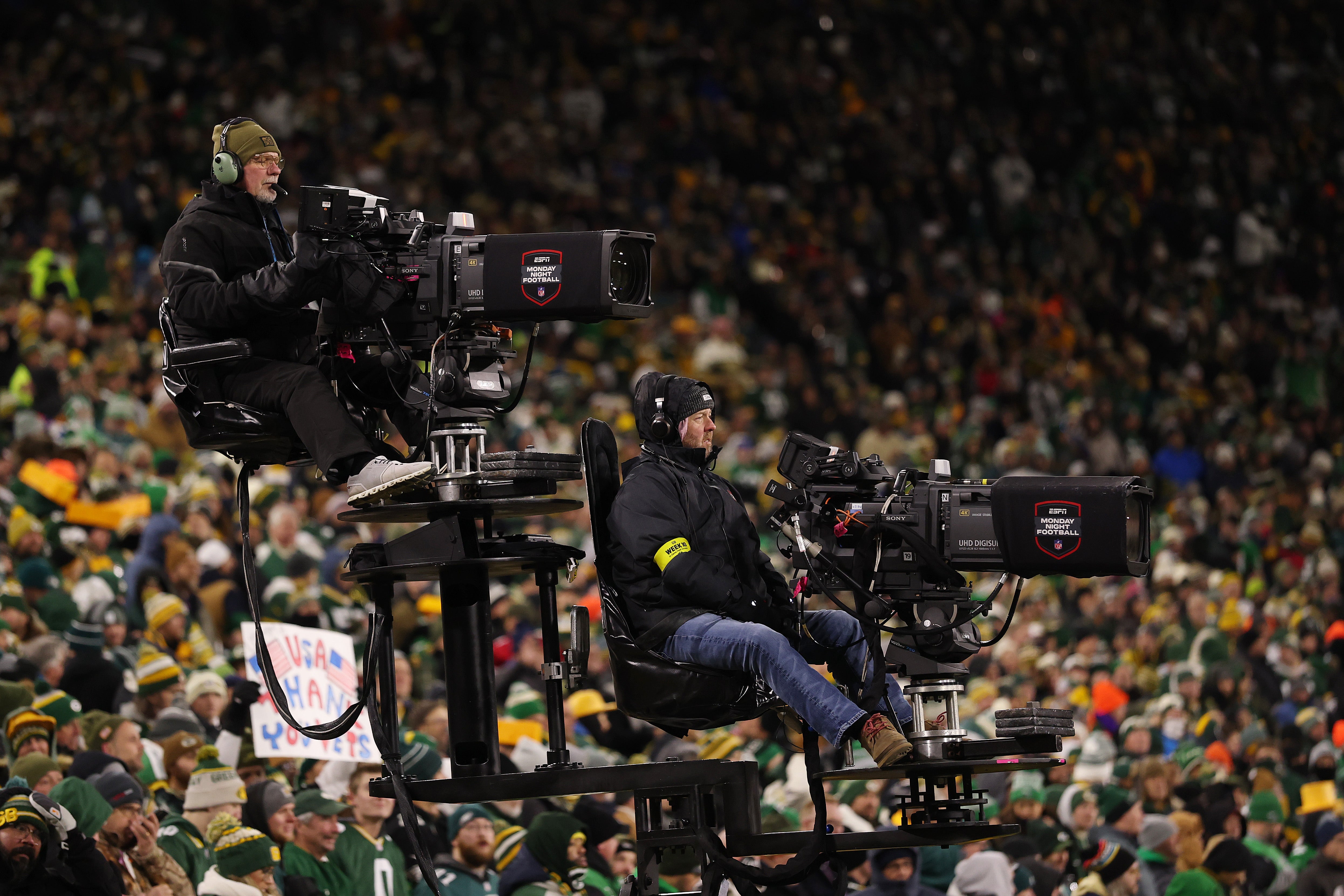
Analysts view this public comment period as a potential precursor to revising the Sports Broadcasting Act of 1961. This legislation granted professional leagues like the NFL, MLB, and NBA an antitrust exemption, allowing them to bundle their television rights for sale to national networks.
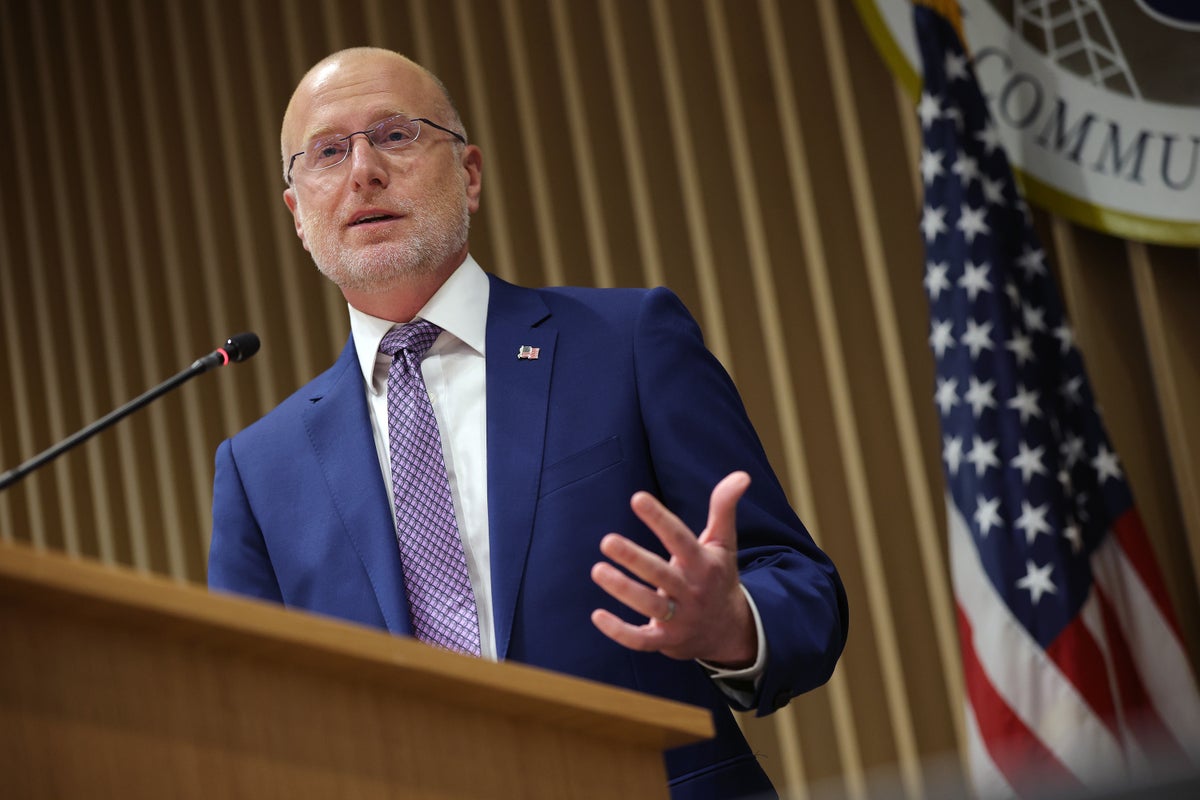
FCC Chairman Brendan Carr has voiced concerns about the current broadcasting model. “Americans are frustrated when they sit down and can’t find the game they want to watch,” he stated recently. “That feeling only worsens when they realize they might need another streaming service.”
However, the FCC's authority is limited; it cannot regulate tech platforms like Netflix or Amazon. Industry experts have long criticized the negative consequences stemming from the shift from cable to streaming.
“Sports remain one of the last bastions of live viewership,” noted Olivia Stomski from Syracuse University’s Newhouse Sports Media Center. “Consider older fans who rely on watching games as a highlight of their day; now they face barriers that prevent them from enjoying this experience.”
Some lawmakers are pushing for Congress to intervene and limit the power that major leagues hold during media-rights negotiations. Senator Mike Lee has called for a reevaluation of the Sports Broadcasting Act, emphasizing that today’s distribution landscape differs significantly from when the exemption was first established.
Broadcasting corporations have also expressed concerns about potential regulatory changes. Fox, a major player in live sports broadcasting, warned that if streaming becomes the primary method for viewing sports, it could dramatically impact consumers and local journalism.
“If Big Tech continues acquiring broadcast rights primarily for data collection purposes, fans could find themselves locked out of major events,” Fox cautioned in an FCC filing.
Not everyone supports changes to blackout restrictions or the sports broadcasting law. Some experts warn that such alterations could exacerbate existing issues for fans. “Extending the SBA to streaming services poses real challenges,” antitrust attorney Kellie Lerner cautioned. “Without a clear solution, we risk making things worse than they already are.”