



Global Energy Crisis Looms as Iran Tightens Grip on Shipping and Strikes Dubai Airport
BEIRUT, Lebanon — Tensions escalated Monday as Iranian military actions intensified, raising alarms about a looming global energy crisis. A drone strike attributed to Iran temporarily halted operations at Dubai International Airport, a vital hub for international travel, highlighting the precarious state of the world economy.
Since the U.S. and Israel launched strikes against Iran over two weeks ago, Tehran has retaliated with drone and missile attacks targeting Israel, American military bases, and energy facilities in Gulf Arab nations.
The Strait of Hormuz, a critical passage for one-fifth of the world’s oil supply, has seen shipping traffic severely disrupted, leading to soaring oil prices. Brent crude oil prices hovered above $100 a barrel on Monday, marking a nearly 45% increase since the onset of hostilities on February 28, with peaks reaching around $120 during the ongoing conflict.
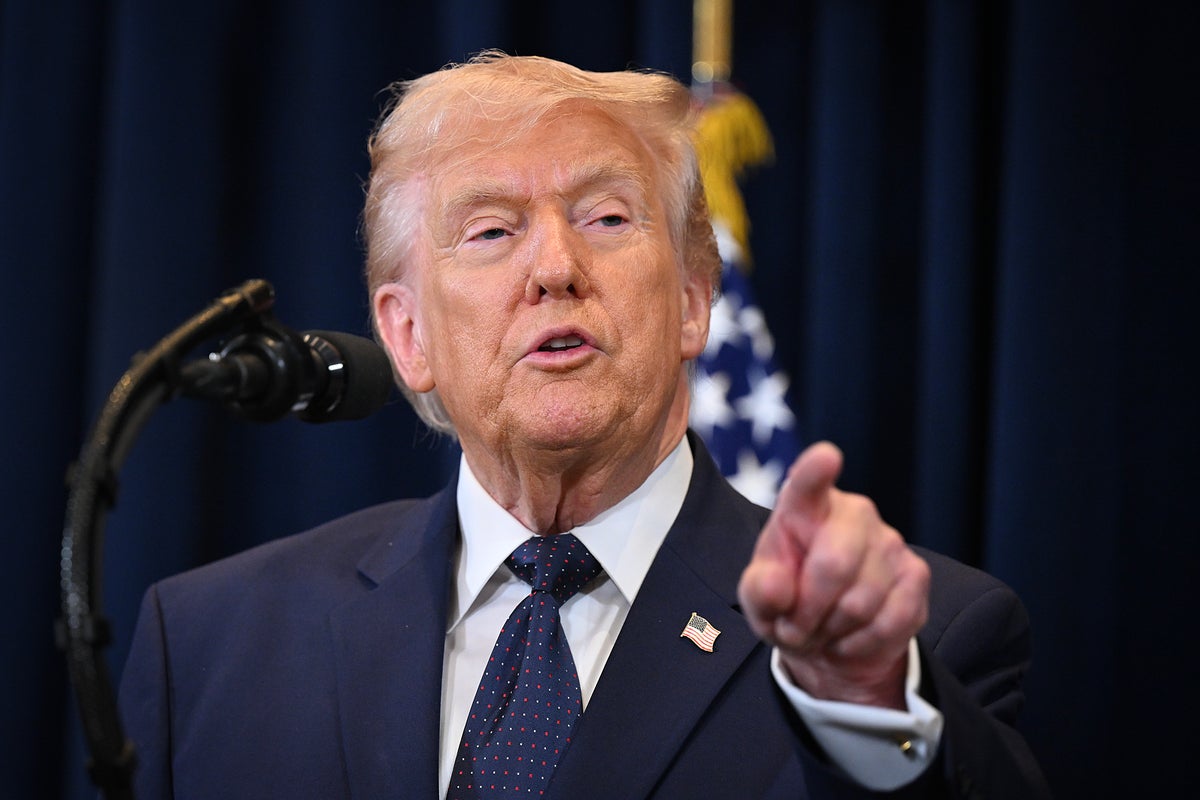
U.S. President Trump has urged several nations to deploy warships to ensure the safety of shipping lanes in the Strait of Hormuz, yet no commitments have been forthcoming. “We will remember those who decline to assist,” he stated, emphasizing the political implications of rising consumer prices ahead of upcoming elections.
Iranian Foreign Minister Abbas Araghchi dismissed suggestions of seeking a negotiated resolution to the conflict as “delusional,” asserting that Iran is not pursuing “truce nor talks.”
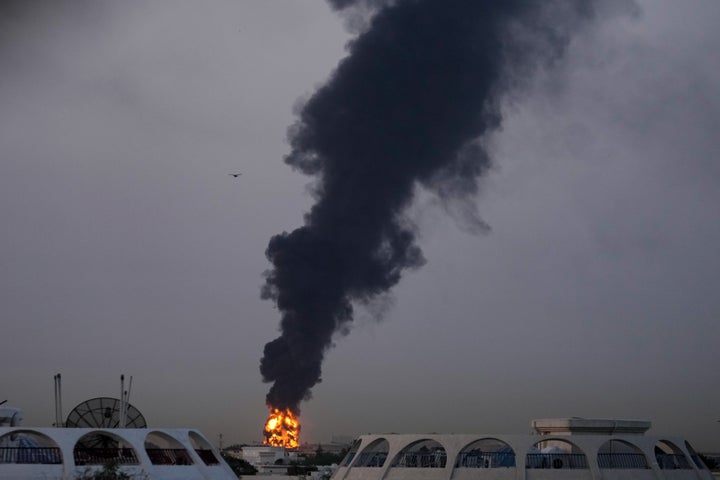
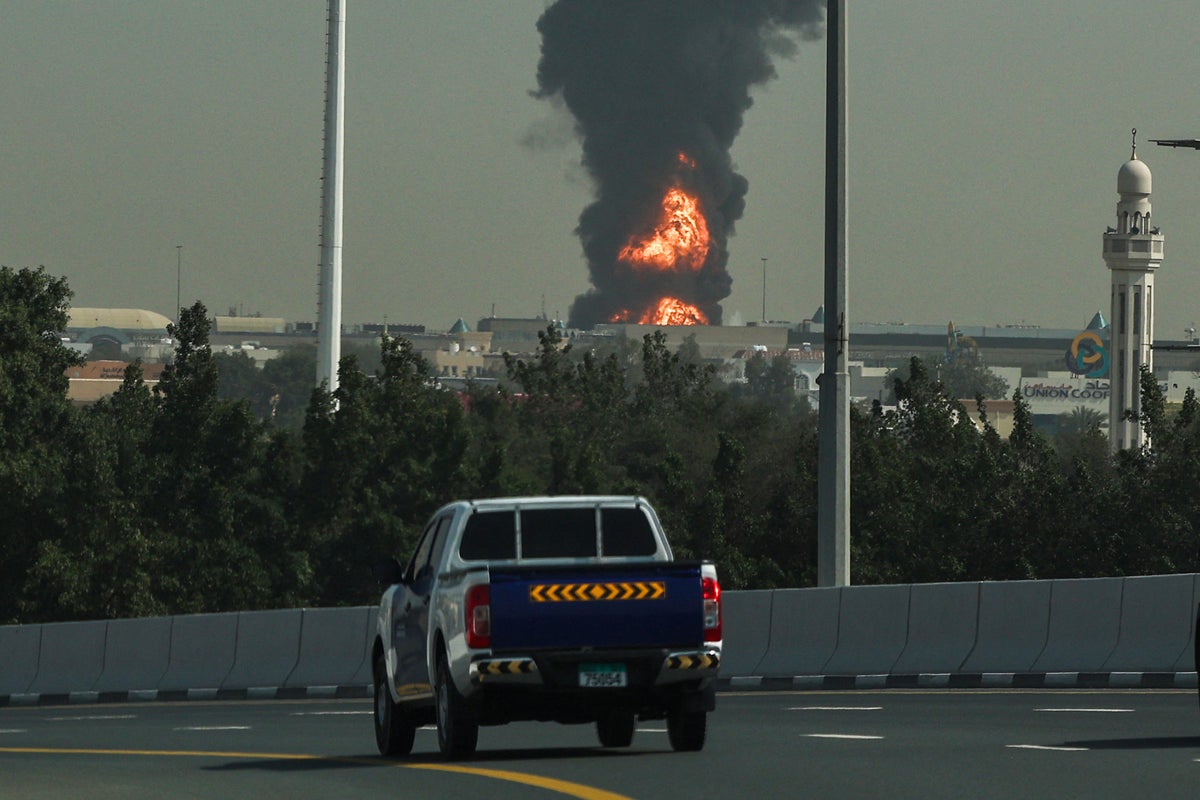
On Monday morning, a drone strike ignited a fuel tank fire near Dubai International Airport, prompting a temporary suspension of flights. Fortunately, no injuries were reported as firefighters quickly contained the blaze.
In a separate incident, an Iranian missile struck a vehicle in Abu Dhabi, resulting in one fatality, while another drone attack caused a fire at an oil facility in Fujairah.
Saudi Arabia reported intercepting 35 Iranian drones aimed at its eastern region, which houses significant oil infrastructure. Despite Iranian missile and drone attacks targeting U.S. military assets across the region, Emirati air defenses have successfully intercepted most threats, although debris has fallen within the country.
Israel's military confirmed that missiles were also launched toward its territory from Iran. The ongoing conflict is wreaking havoc on the global economy, driving up energy and fertilizer prices and threatening food security in vulnerable nations.
Trump reiterated his commitment to securing the Strait of Hormuz, while European Union foreign ministers are set to discuss extending naval protection missions to this critical waterway. However, skepticism remains regarding U.S. and Israeli strategies in the region.

Japanese Prime Minister Sanae Takaichi noted her government had not received any communication from Washington regarding assistance for protecting shipping routes. Japan, heavily reliant on Middle Eastern oil imports, began releasing its reserves to mitigate supply shortages.
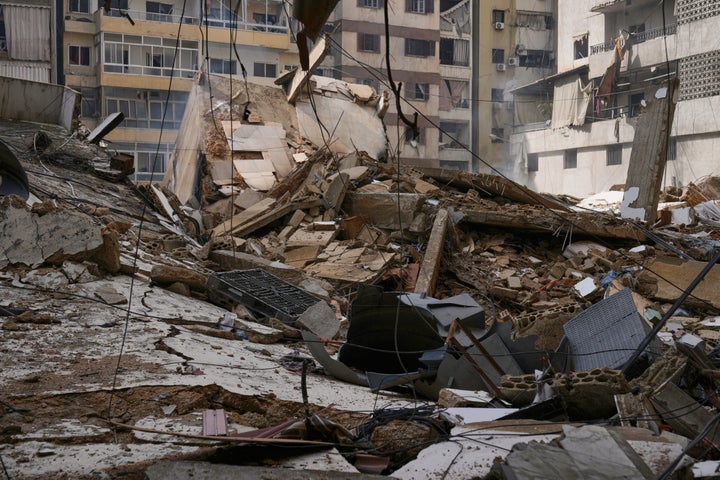
Explosions rocked Beirut as Israel intensified its military campaign against Hezbollah-linked infrastructure in Lebanon. Evacuation orders were issued for numerous neighborhoods as over 800,000 people have been displaced due to Israeli operations.
In southern Lebanon, an Israeli airstrike resulted in one death, followed by the tragic loss of two paramedics responding to the scene. The death toll from Israeli strikes has surpassed 850.
As Israel continues its offensive against Iranian targets, reports indicate that over 1,300 individuals have died in Iran since the conflict began. Israel claims to have conducted approximately 7,600 strikes against Iranian positions, significantly degrading Iran's air defenses and missile capabilities.
The conflict has claimed lives on both sides; 12 Israelis and at least 13 U.S. military personnel have been reported killed due to Iranian missile attacks.
This story has been updated to clarify that the death toll in Iran is sourced from the Iranian Red Crescent.