

Justice Department Charges Ex-FBI Chief Comey Over Controversial Instagram Post
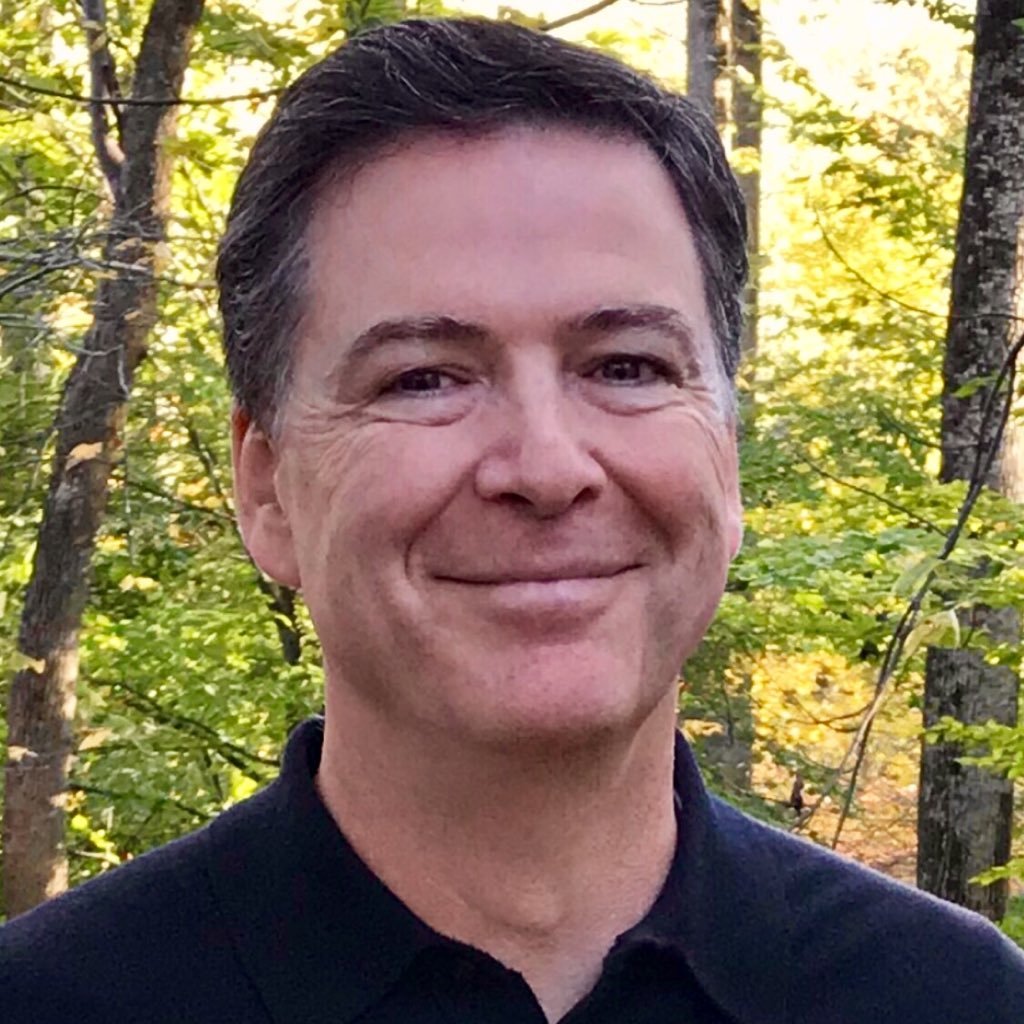
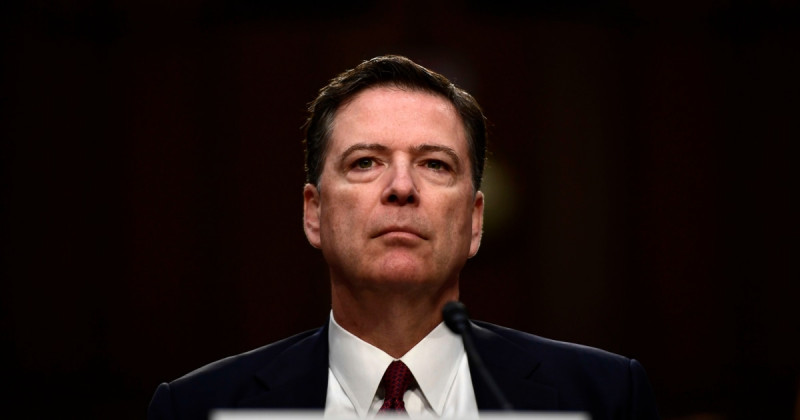
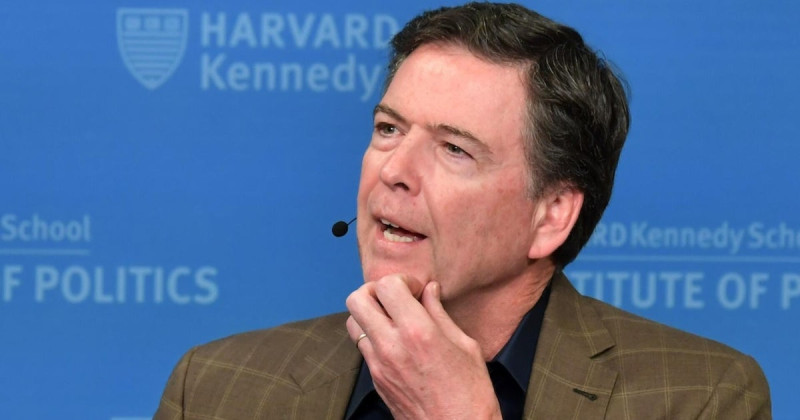
On Tuesday, the U.S. Justice Department filed criminal charges against James Comey, the former FBI director, alleging he threatened President Donald Trump through an Instagram post featuring seashells arranged to display the numbers “86 47.”
The indictment, presented in the Eastern District of North Carolina, claims Comey transmitted a threat across state lines and endangered the life of the president. This case stems from a post made by Comey last May while he was vacationing in North Carolina, where he shared a photo of shells on a beach. In American slang, “86” can mean to eject someone from a bar, while “47” is interpreted as a reference to Trump, the 47th president.
Trump's Justice Department appears to be intensifying efforts to prosecute perceived political adversaries, with Trump himself having previously called for criminal charges against Comey via social media. “I’m still innocent. I’m still not afraid,” Comey stated in a video following the indictment, asserting that this is not how the Justice Department should operate.
After facing backlash, Comey removed the Instagram post, explaining, “I didn’t realize some folks associate those numbers with violence. It never occurred to me but I oppose violence of any kind so I took the post down.”
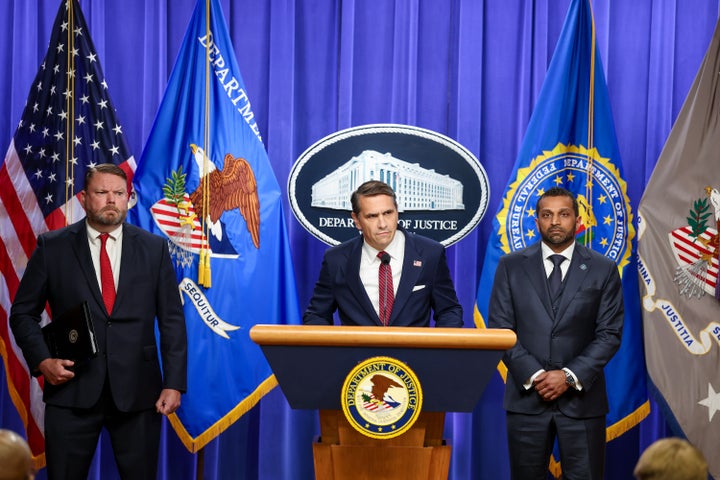
Trump and his supporters interpreted Comey’s post as a violent threat aimed at removing Trump from office. Acting Attorney General Todd Blanche has swiftly acted on Trump’s directives for criminal cases, following the dismissal of his predecessor, Pam Bondi, for perceived inaction.
Blanche characterized the indictment as a standard prosecution for threats against public officials, stating, “While this case is unique and this indictment stands out because of the name of the defendant, his alleged conduct is the same kind of conduct that we will never tolerate.”
In the aftermath of the original post, U.S. officials investigated Comey and he was interviewed by the Secret Service but faced no charges at that time. Since Blanche's appointment in April, the Justice Department has pursued various high-profile cases, including actions against the Southern Poverty Law Center and allegations of misconduct involving anti-abortion activists.
Trump has long criticized Comey for his oversight of an FBI investigation into alleged connections between Trump's 2016 campaign and Russian officials. A separate case against Comey was initiated last September, accusing him of lying during congressional testimony regarding disclosures to the media about FBI investigations.
A federal judge dismissed that case due to issues with the appointment of the prosecutor involved. The Justice Department is currently appealing this ruling. This earlier case was prompted by Trump’s public call for Bondi to pursue charges against Comey and other opponents.
The initial indictment faced significant legal hurdles; judges identified serious errors made by prosecutors and blocked key evidence due to constitutional violations regarding unlawful searches. Comey's legal team argues that these charges are retaliatory actions against him for his criticisms of Trump, a defense they may invoke again in this latest case.
Free speech implications are likely to arise in this matter as well. The First Amendment protects political speech, even when it includes intimidating language or suggests violence. However, direct threats to an individual’s safety are not protected under the Constitution, according to legal experts.
“We will contest these charges in the courtroom and look forward to vindicating Mr. Comey and the First Amendment,” stated Patrick Fitzgerald, one of Comey's attorneys. The U.S. Supreme Court has yet to clearly define what constitutes a “true threat,” complicating law enforcement's ability to navigate these cases. Officials often seek context that indicates intent to instill fear rather than merely suggesting a violent outcome.
The complexities surrounding First Amendment protections have historically posed challenges for the Justice Department when addressing individuals who use overtly intimidating language directed at public officials.