
Kanye West Booked as Festival Headliner, But Brands Are Now Pulling Their Sponsorships
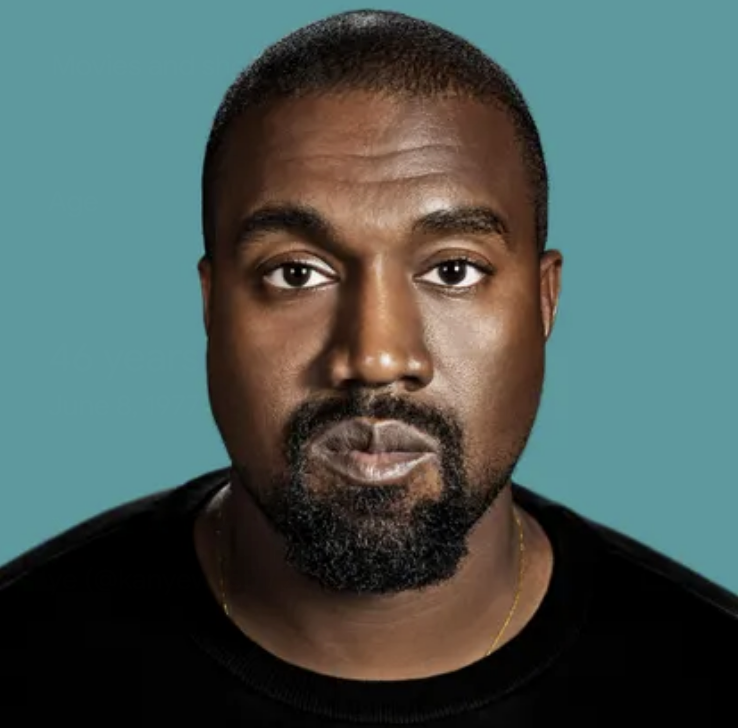
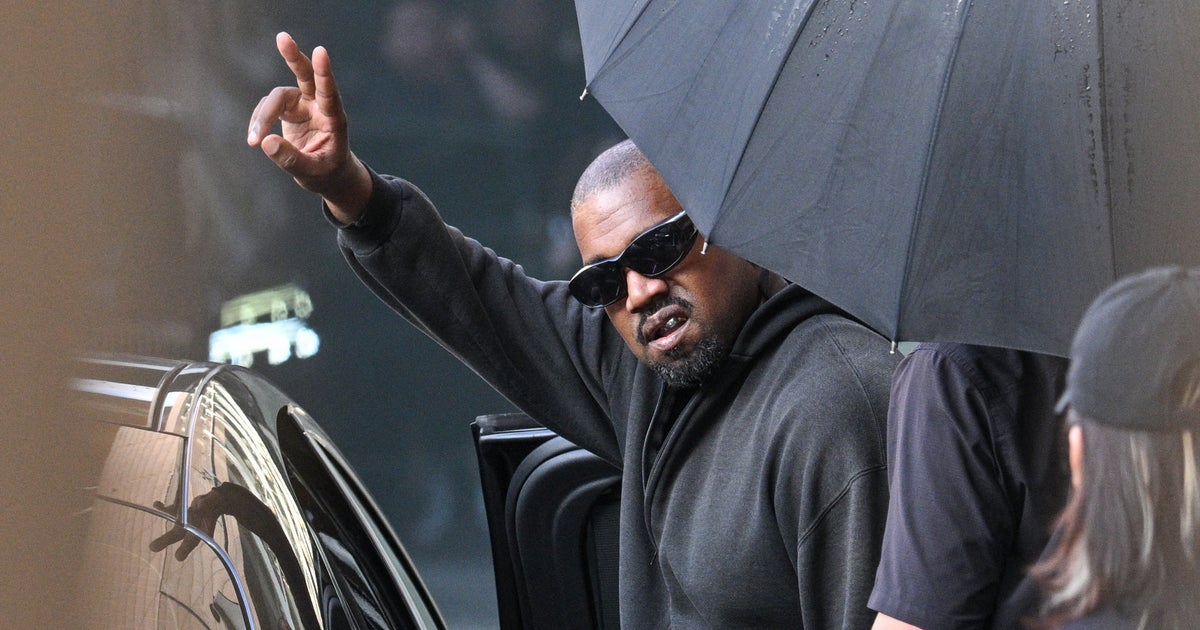
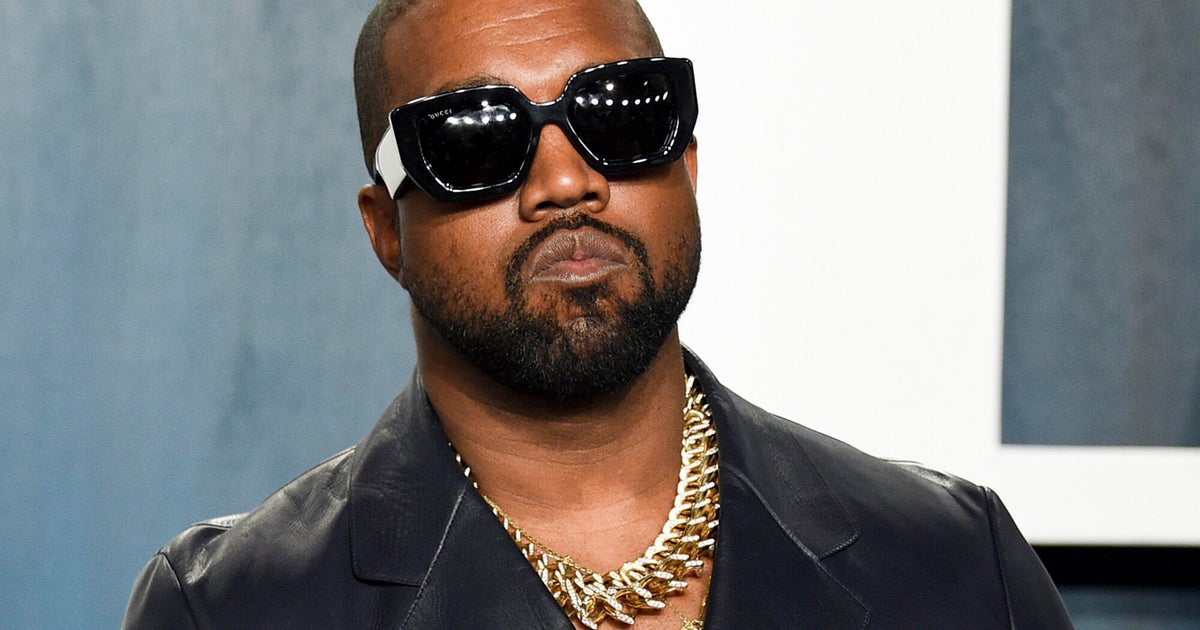
Pepsi and Diageo have pulled their sponsorship of the 2026 Wireless Festival in the UK after Kanye West, also known as Ye, was announced as the headliner. The festival, set to take place in London’s Finsbury Park from July 10-12, has faced significant backlash due to West's history of antisemitic remarks and other offensive statements.
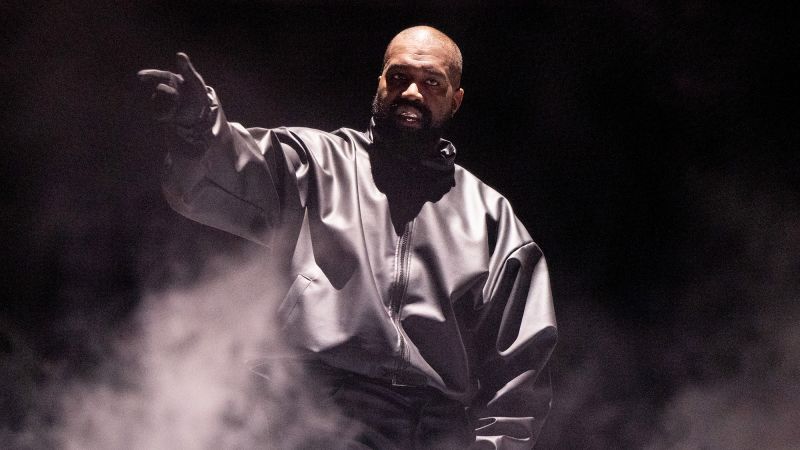
A spokesperson for Pepsi confirmed the decision, stating, “Pepsi has decided to withdraw its sponsorship of Wireless Festival.” Diageo, the parent company of brands like Guinness and Smirnoff, echoed similar sentiments. “We have informed the organisers of our concerns and as it stands, Diageo will not sponsor the 2026 Wireless festival,” a representative stated.
West, who has publicly discussed his mental health struggles, including a previous bipolar disorder diagnosis that he later claimed was a misdiagnosis in favor of autism, took out a full-page advertisement in the Wall Street Journal earlier this year. In it, he expressed regret for his past actions, stating, “I lost touch with reality. Things got worse the longer I ignored the problem. I said and did things I deeply regret.” He further acknowledged his controversial choices, including selling T-shirts featuring a swastika.
Wireless Festival is one of the largest music events in the UK, drawing crowds of up to 150,000 annually. The announcement of West as headliner for all three days has ignited controversy. UK Prime Minister Keir Starmer condemned the decision over the weekend, remarking, “It is deeply concerning that Kanye West has been booked to perform at Wireless despite his previous antisemitic remarks and celebration of Nazism.”
The charity Campaign Against Antisemitism (CAA) has called for West to be barred from entering the UK. They stated on social media, “The Prime Minister is right to be deeply concerned that @WirelessFest wants to headline someone whose anti-Jewish bigotry has gone as far as recording a track titled ‘Heil Hitler’ less than a year ago.” The CAA emphasized that the government has the authority to prevent entry for individuals whose presence is deemed “not conducive to the public good,” asserting that this situation qualifies as such.