Lawmakers Demand Action as Capitol Hill Struggles with Sexual Misconduct Reporting
WASHINGTON — With no centralized reporting system for workplace harassment on Capitol Hill, female lawmakers are stepping up to create their own solutions.
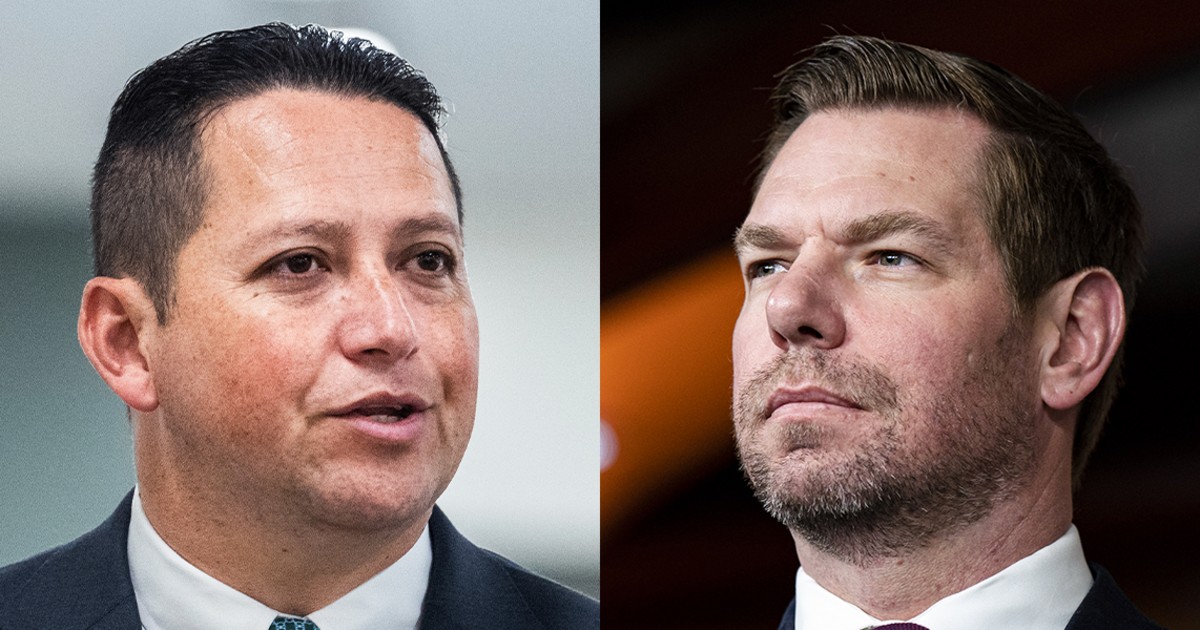
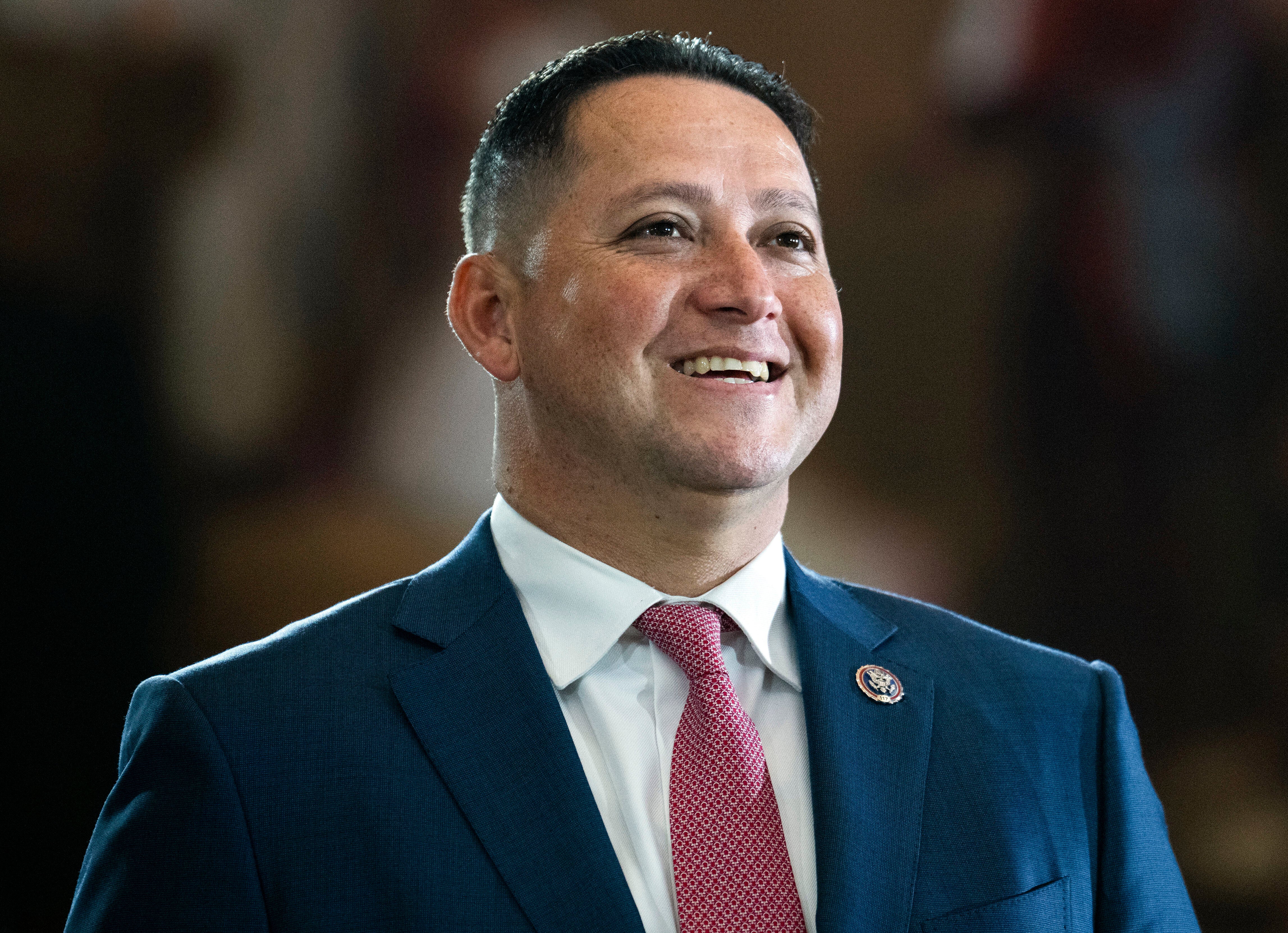
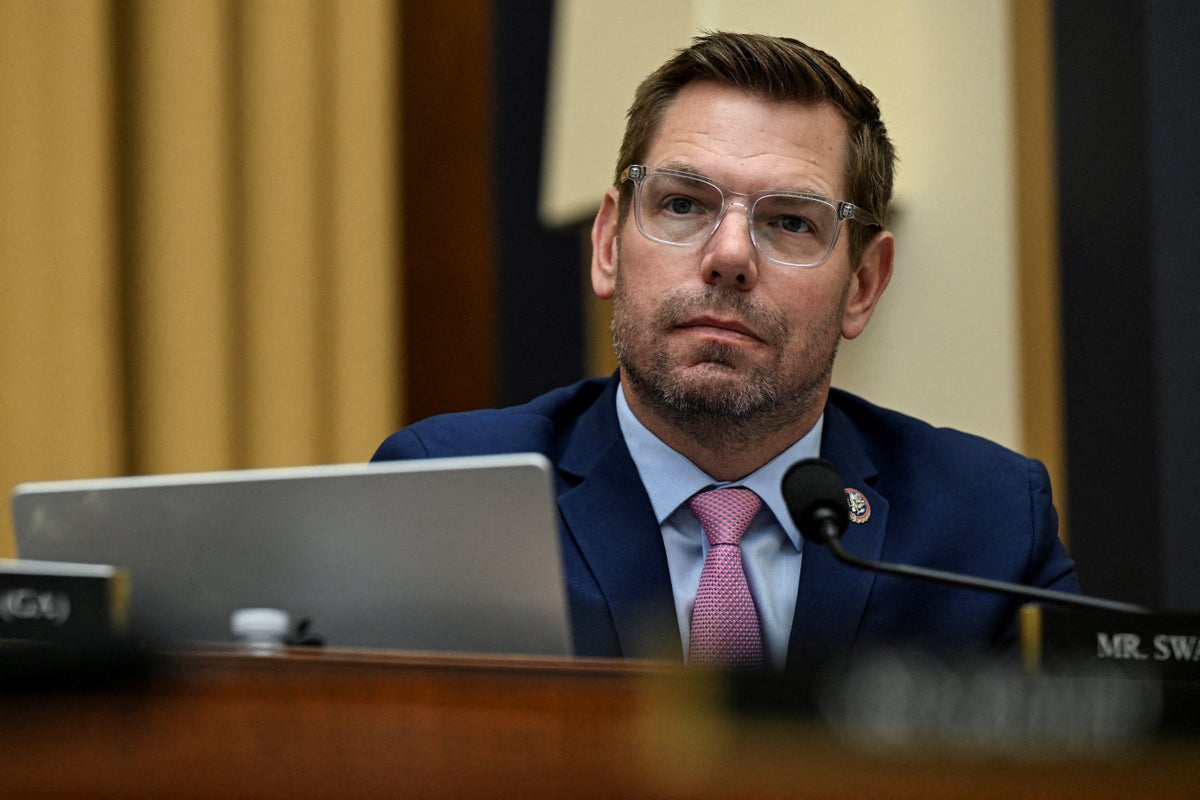
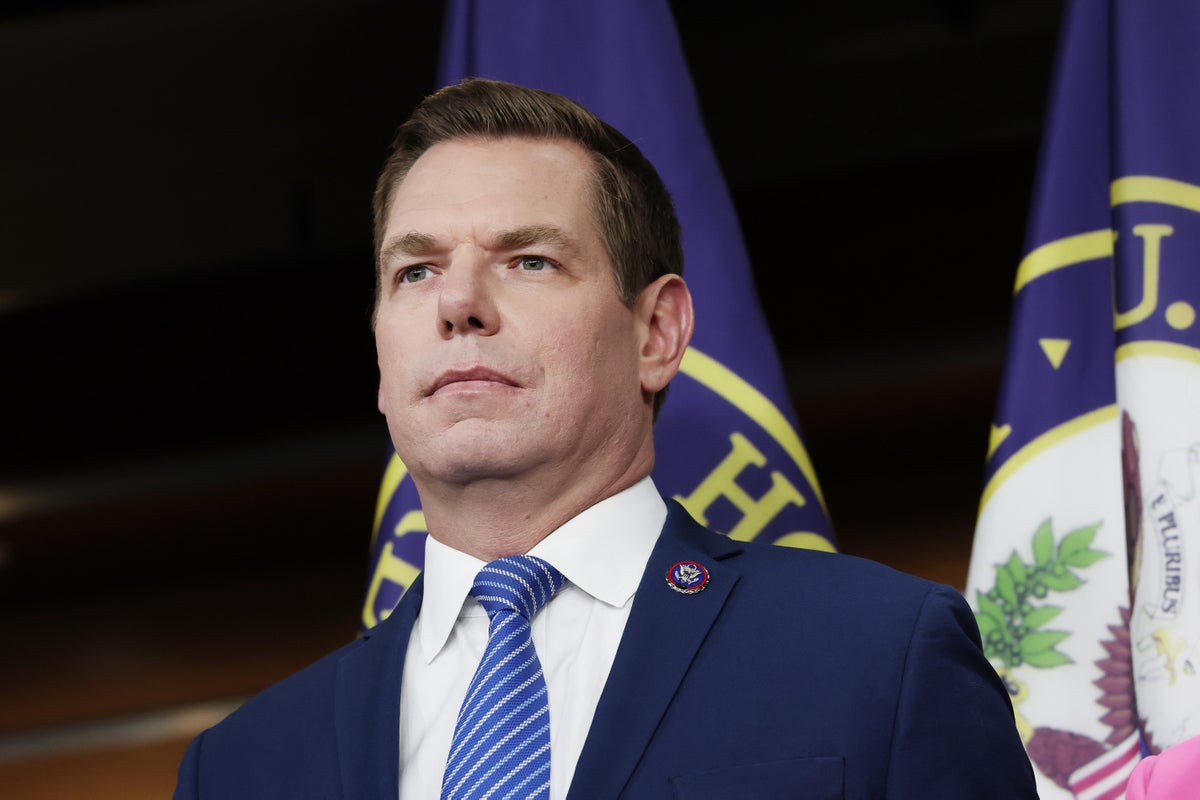
In the wake of recent resignations linked to sexual misconduct allegations against former Representatives Eric Swalwell and Tony Gonzales, Rep. Anna Paulina Luna, R-Fla., has opened her office as a safe haven for staffers hesitant to approach their own supervisors with complaints.
Luna has already flagged at least one unverified allegation involving a senator to Senate GOP Leader John Thune, who confirmed that the matter has been referred to the Senate Ethics Committee.
This grassroots initiative highlights the ongoing difficulties in reporting sexual misconduct within Congress, an institution historically resistant to self-regulation.
Rep. Norma Torres, D-Calif., a member of the House Administration Committee, has also taken action by establishing a reporting page on her website for whistleblowers. “The support for these victims is not where it needs to be,” she stated, noting that her office has received complaints from individuals in both the judicial and executive branches.

“Each member of Congress runs their own office as your business and the support system should come from that office. And if it’s not there … they’re always welcome to come to my office,” Torres added.
Rep. Lauren Boebert, R-Colo., echoed these sentiments, urging staffers facing harassment from members of Congress to seek help from female lawmakers. “It should be more accessible for women to report any kind of mistreatment,” she remarked, criticizing the current system for being inadequate.
Despite the existence of ethics committees in both the House and Senate, many lawmakers express frustration over their slow processes, which can perpetuate harassment. Boebert emphasized the need for a more efficient reporting mechanism rather than relying solely on the Ethics Committee.
The recent resignations of Swalwell, who denies allegations of sexual assault, and Gonzales, who admitted to an affair with a deceased staffer, have intensified calls for accountability and reform within Congress.
Rep. Jim McGovern, D-Mass., reflected on the situation: “There’s a feeling like, we got to do better here. This is unacceptable; it’s a stain on this entire institution.”

A former staffer of Gonzales shared her experience of alleged harassment, expressing regret that there wasn’t a supportive figure she could turn to without fear of being labeled a troublemaker. “I could handle it myself,” she said, but acknowledged the challenges faced by younger staffers unfamiliar with such environments.
Reforms initiated in 2018 following the #MeToo movement aimed to increase transparency and accountability regarding workplace harassment. However, many argue that these measures have not gone far enough.
“Members who abuse their staff have to pay for their own defense,” Torres noted about the 2018 reforms. Yet, without a centralized human resources department on Capitol Hill, offices remain largely autonomous in developing HR policies.
Some lawmakers point to ongoing investigations, such as that of Rep. Cory Mills, R-Fla., who faces allegations of sexual misconduct and campaign finance violations. His case has drawn attention as lawmakers call for expedited investigations in light of recent events.
“For punishment to be a deterrent, it needs to be certain, swift and severe,” Rep. Debbie Wasserman Schultz, D-Fla., stated, advocating for stronger measures against misconduct.
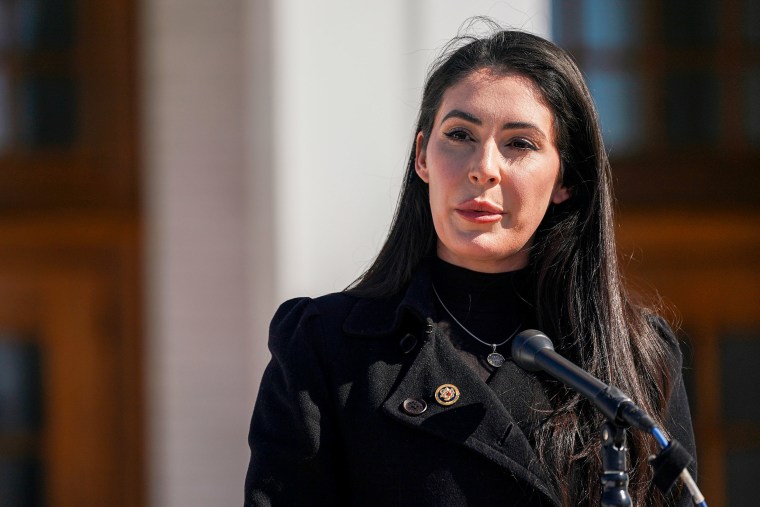
Luna is pushing for stricter regulations, including deadlines for Ethics Committee investigations and revoking pensions for lawmakers expelled due to sexual misconduct. “Ethics needs an entire overhaul,” she asserted.
While House rules prohibit sexual relationships between lawmakers and their own staff, they do not extend to relationships with other members’ staffers. This loophole raises concerns about power dynamics within Congress.
Rep. Laura Friedman, D-Calif., emphasized the need for comprehensive reforms: “You still have a power imbalance with senior staff and members of Congress being able to pursue relationships with staff in other people’s offices.”
Rep. Mike Lawler, R-N.Y., added his voice to the call for change: “If you think your job is to come to Congress to get laid, you don’t belong here.”
The appetite for substantial reforms remains uncertain among lawmakers. House Speaker Mike Johnson, R-La., acknowledged ongoing discussions about workplace harassment but emphasized the need for decorum and dignity within Congress.
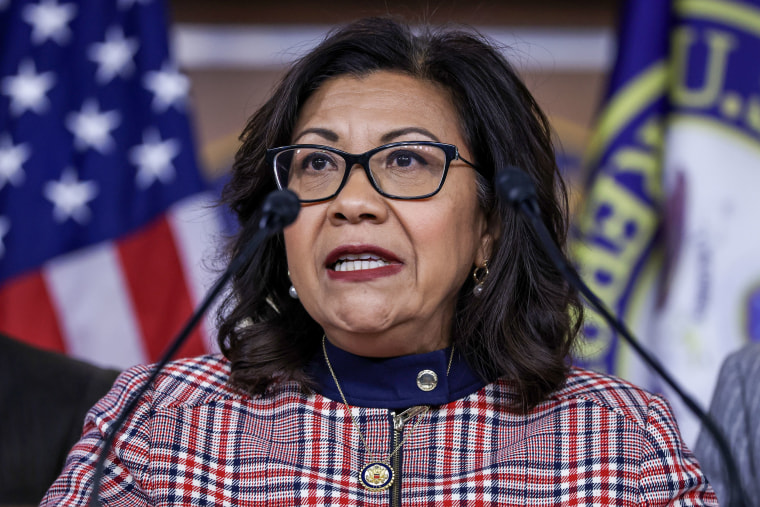
Rep. Melanie Stansbury, D-N.M., proposed a straightforward solution: “Elect more women.” She highlighted the historical context of male-dominated behavior in Congress and called for continued efforts to create a safer environment for all staffers.
“It’s part of the evolving need to continue to clean this place up,” Stansbury concluded, advocating for diversity and opportunity within Congress.