Marco Rubio's Cabinet Power Play: Stumping with Trump at a Campaign Rally
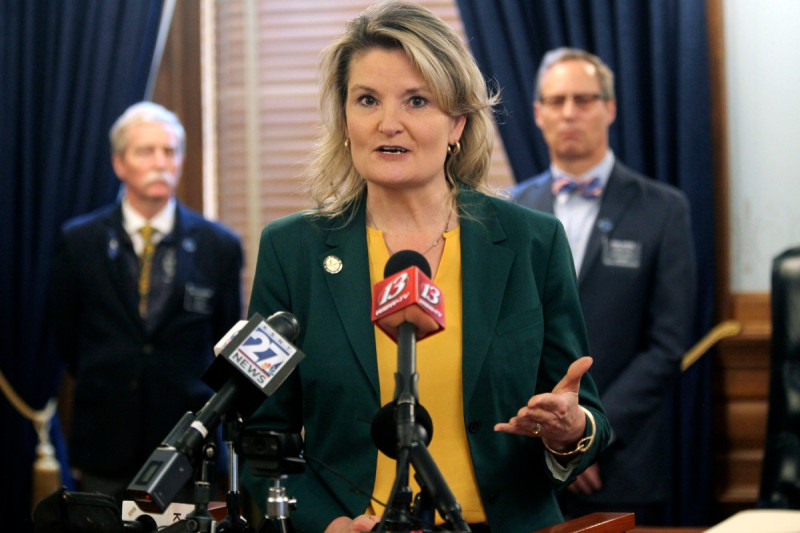
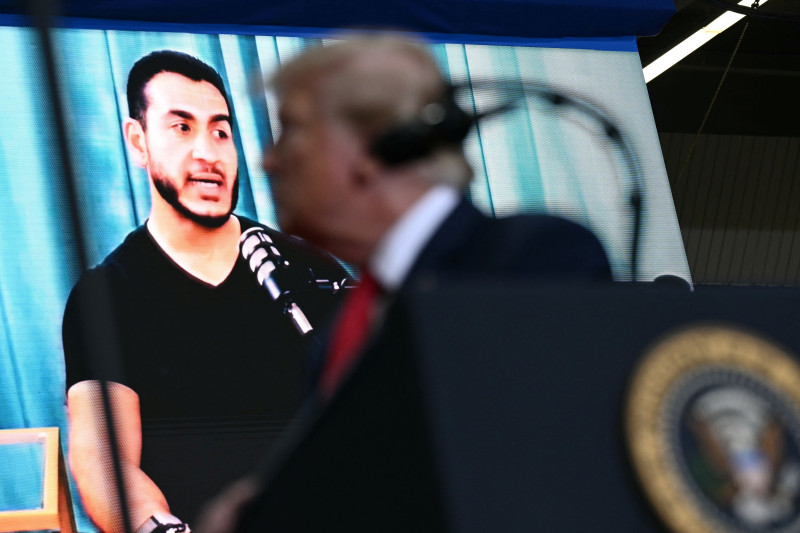
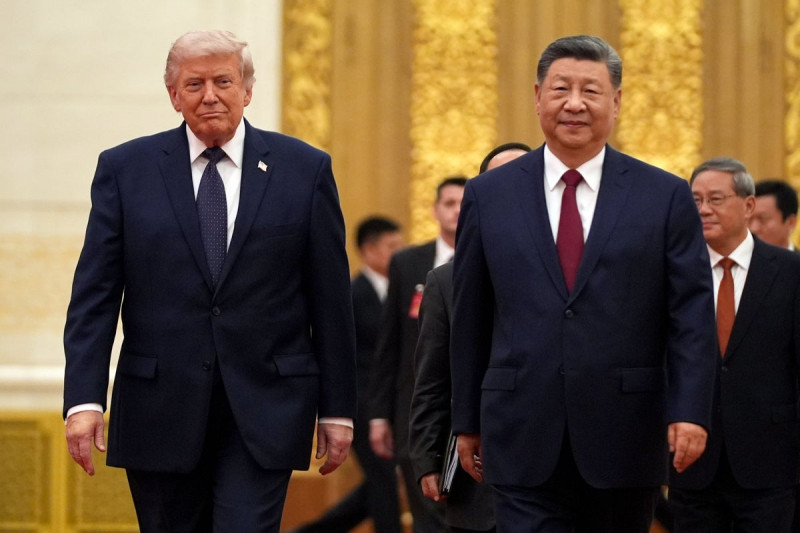
Secretary of State Marco Rubio took the stage with President Donald Trump at a campaign rally in Texas, breaking the mold of traditional diplomatic decorum. The crowd erupted in chants of his name as Trump introduced him with affection, declaring, "We love Marco." Rubio's remarks lasted a mere eleven seconds, where he expressed honor in serving the country and the president before stepping aside.
This appearance raised eyebrows in Washington, where the State Department typically avoids placing sitting secretaries of state in partisan settings. A department official clarified that Rubio attended the rally not as a diplomat but as national security advisor, a distinction that provided him the cover to appear on stage.
Rubio's unique position stems from an extraordinary fact: he is only the second individual in U.S. history to hold both the secretary of state and national security advisor titles simultaneously. The first was Henry Kissinger, who held both roles from September 1973 to November 1975. This historical context allows the current administration to navigate around established norms.

Rubio assumed the national security advisor role on an acting basis in May 2025 after Mike Waltz's departure. For over sixteen months, this arrangement remained informal until Trump formalized it on September 22, 2026. This dual title provided a structural shield for Rubio, allowing him to participate in the rally without strict diplomatic protocols applying to him.
The precedent set by former Secretary of State Mike Pompeo's controversial prerecorded address during the 2020 Republican National Convention had already expanded the boundaries. Pompeo faced backlash for delivering that speech from Jerusalem during an official trip. In contrast, Rubio could cite his dual title, a defense Pompeo lacked.
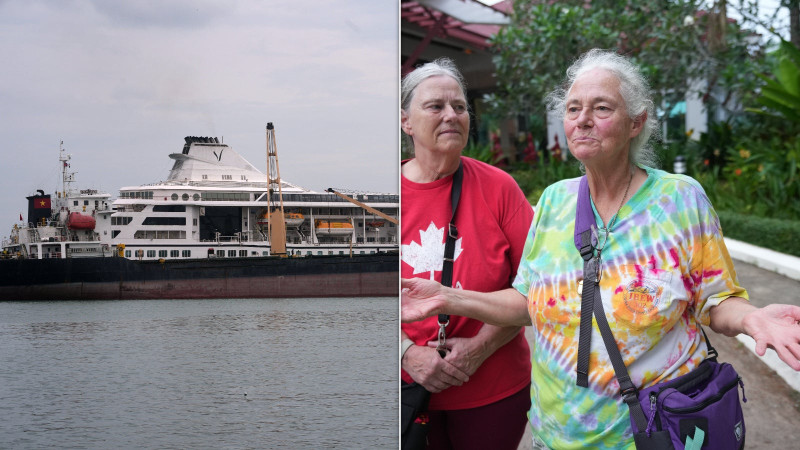
The Corpus Christi rally served as a platform for energy messaging. Trump highlighted a tanker at the port carrying one million barrels of Venezuelan crude, framing it as a symbol of his administration's redefined hemispheric relationships. He claimed the oil was destined for Texas refineries, merging energy production, consumer prices, and foreign policy into one narrative.

The Venezuelan oil saga began in early 2026 when U.S. forces captured former President Nicolás Maduro on January 3 and brought him to New York on narcotrafficking charges. His former vice president, Delcy Rodríguez, quickly assumed the interim presidency. Rubio has been pivotal in shaping Washington's approach to Caracas since then, viewing Venezuelan oil as leverage for political change rather than mere dependency.
The diplomatic strategy has been meticulous and evolving. Trump invited Rodríguez to Washington in January 2026, marking the first bilateral overture in over twenty-five years. Rodríguez expressed willingness to visit while maintaining that Maduro is Venezuela's legitimate leader—a precarious balancing act reflecting her unstable position at home.
For Rubio, this moment was more than just logistics. He became the first Latino confirmed as U.S. secretary of state in early 2025, a historic milestone that has gained significance as his policy influence expanded. Speculation about his potential candidacy in 2028 is rampant; many political analysts view him as a frontrunner for the Republican nomination after Trump, a reality underscored by the crowd's chants in Corpus Christi.
Despite consistently downplaying presidential ambitions and focusing on Venezuela and Latin America, Rubio's appearance alongside a popular president before midterm voters enhances his political brand—regardless of his stated intentions.
The Corpus Christi rally was one of two events Trump held in Texas that day, with another in Lubbock later that evening. This dual-rally strategy underscores the administration's seriousness about the midterm elections: Texas has seen tighter polling than usual, with Republican Senate candidate Ken Paxton facing a competitive challenge against Democrat James Talarico.
Other Cabinet members like Defense Secretary Pete Hegseth and Treasury Secretary Scott Bessent have also campaigned this cycle. Rubio's participation marks him as the latest and most prominent addition to this surrogate roster, signaling that the White House perceives a significant electoral threat—enough to deploy its leading foreign policy figure domestically, disregarding traditional protocol.
The effectiveness of this dual-role justification in satisfying critics or influencing future administrations will hinge entirely on the midterm results come November 4.