Most Americans Reject Trump's Approach to Iran, New Poll Reveals
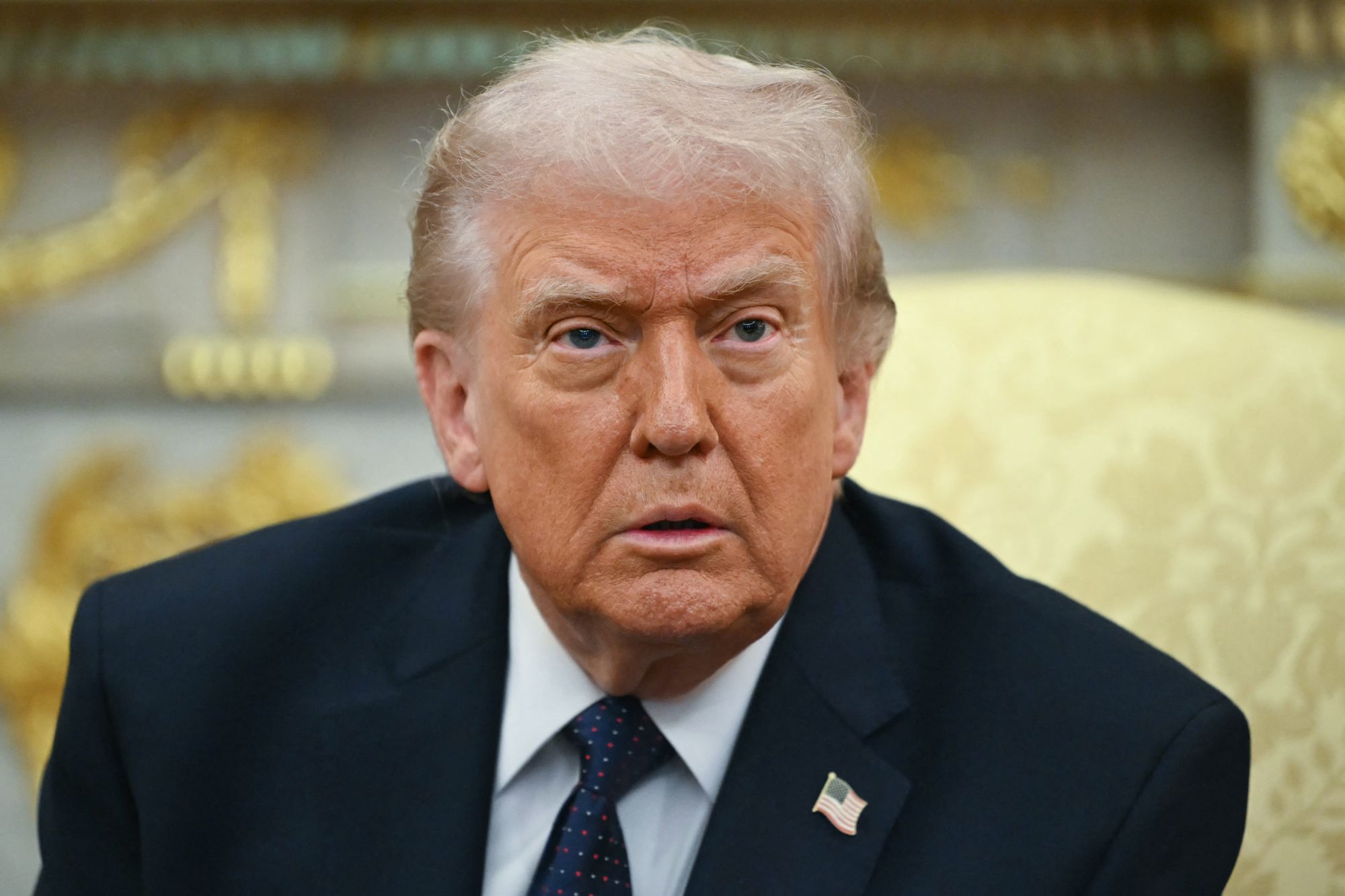
A new poll reveals that a significant portion of American voters are dissatisfied with President Donald Trump's management of military actions in Iran.
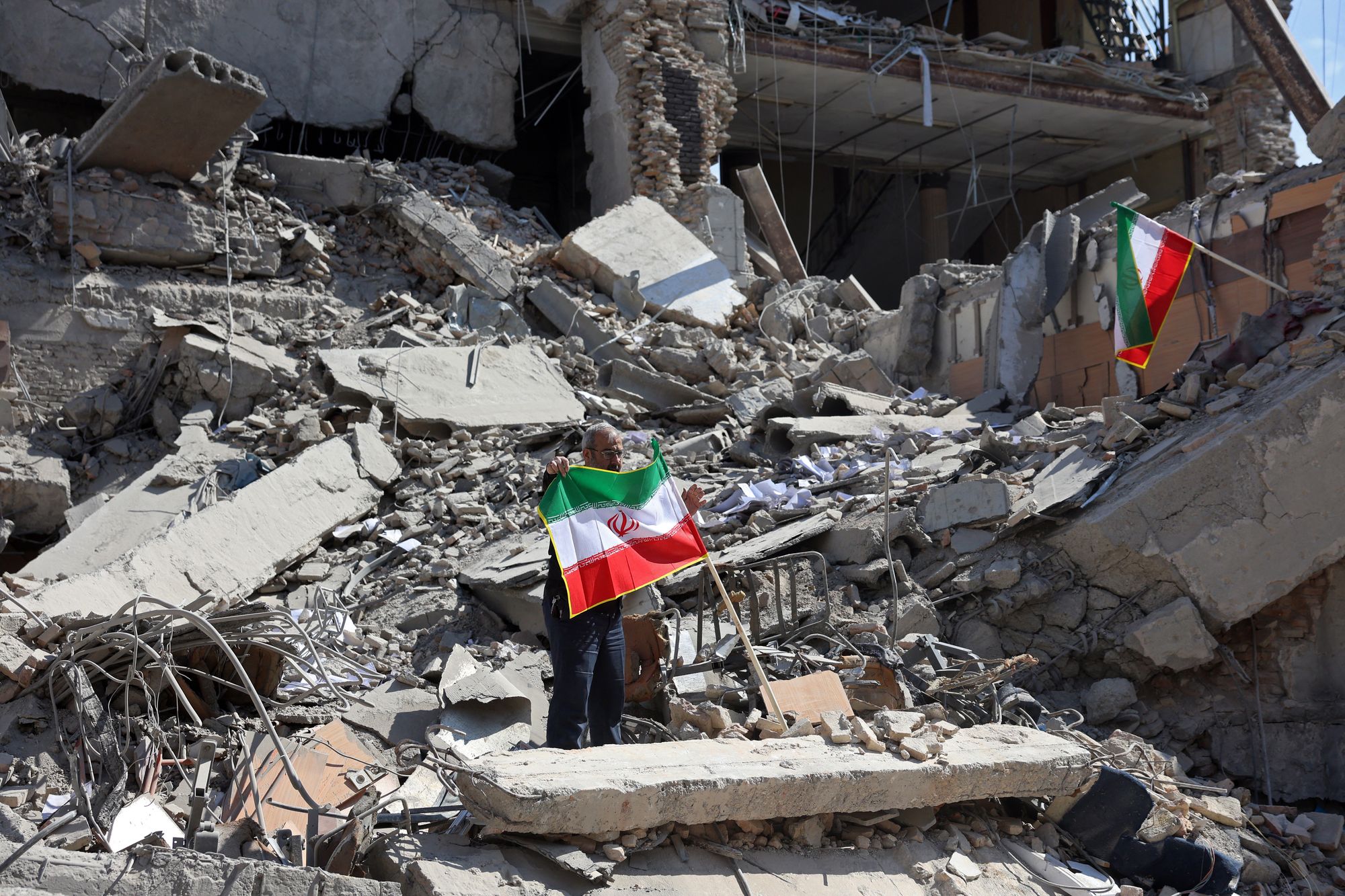
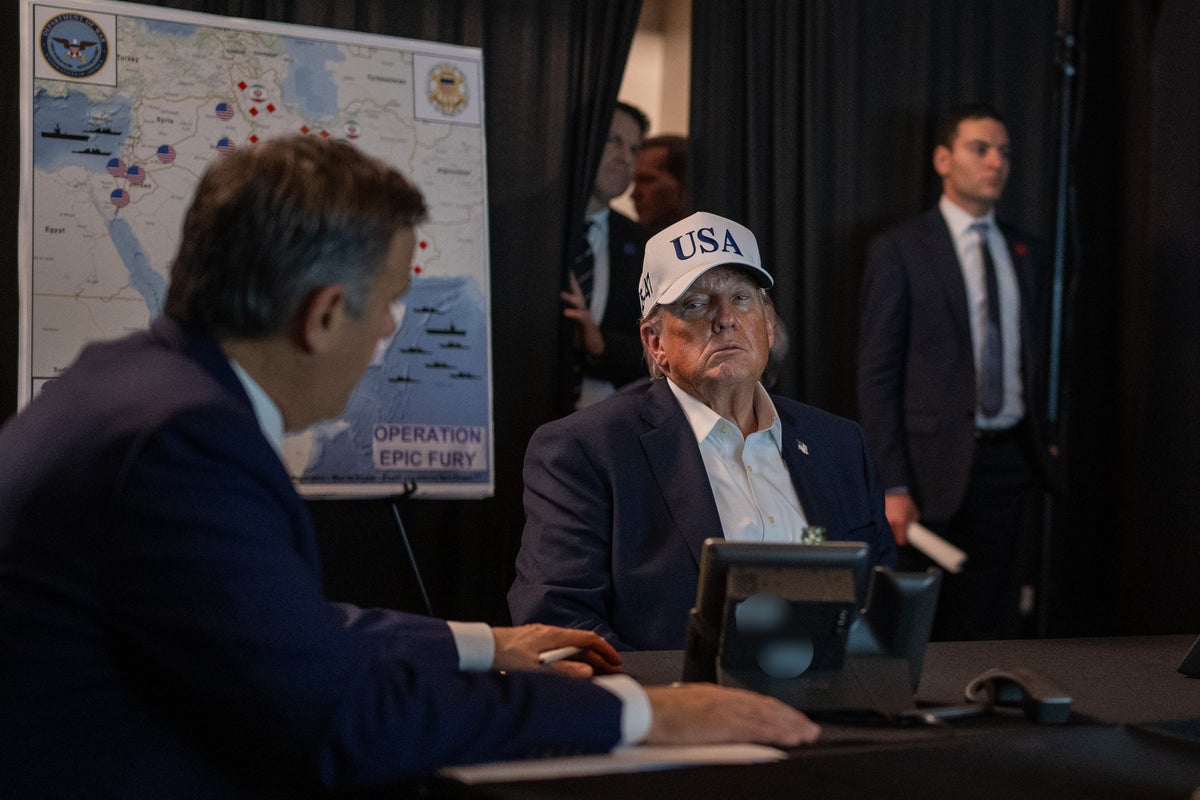
Under Trump's directive, the U.S. collaborated with Israel to initiate military strikes against Iran over the weekend, an operation labeled “Epic Fury.”
These strikes reportedly resulted in the deaths of Iran’s Supreme Leader Ayatollah Ali Khamenei and numerous high-ranking officials, as reported by various sources. In retaliation, Iran has launched its own attacks targeting Israel and several Gulf nations, leading to the deaths of six American service members in a drone strike in Kuwait.
A survey conducted by Hart Research Associates and Public Opinion Strategies for NBC News found that 54 percent of American voters disapprove of Trump’s handling of the Iranian situation, while only 41 percent express approval.
When asked if military action against Iran was justified, 52 percent opposed it, contrasting with the 41 percent who supported Trump’s decision to engage militarily.
Trump, who campaigned on an “America First” platform, had previously assured voters during his victory speech, “I’m not going to start a war. I’m going to stop wars.”
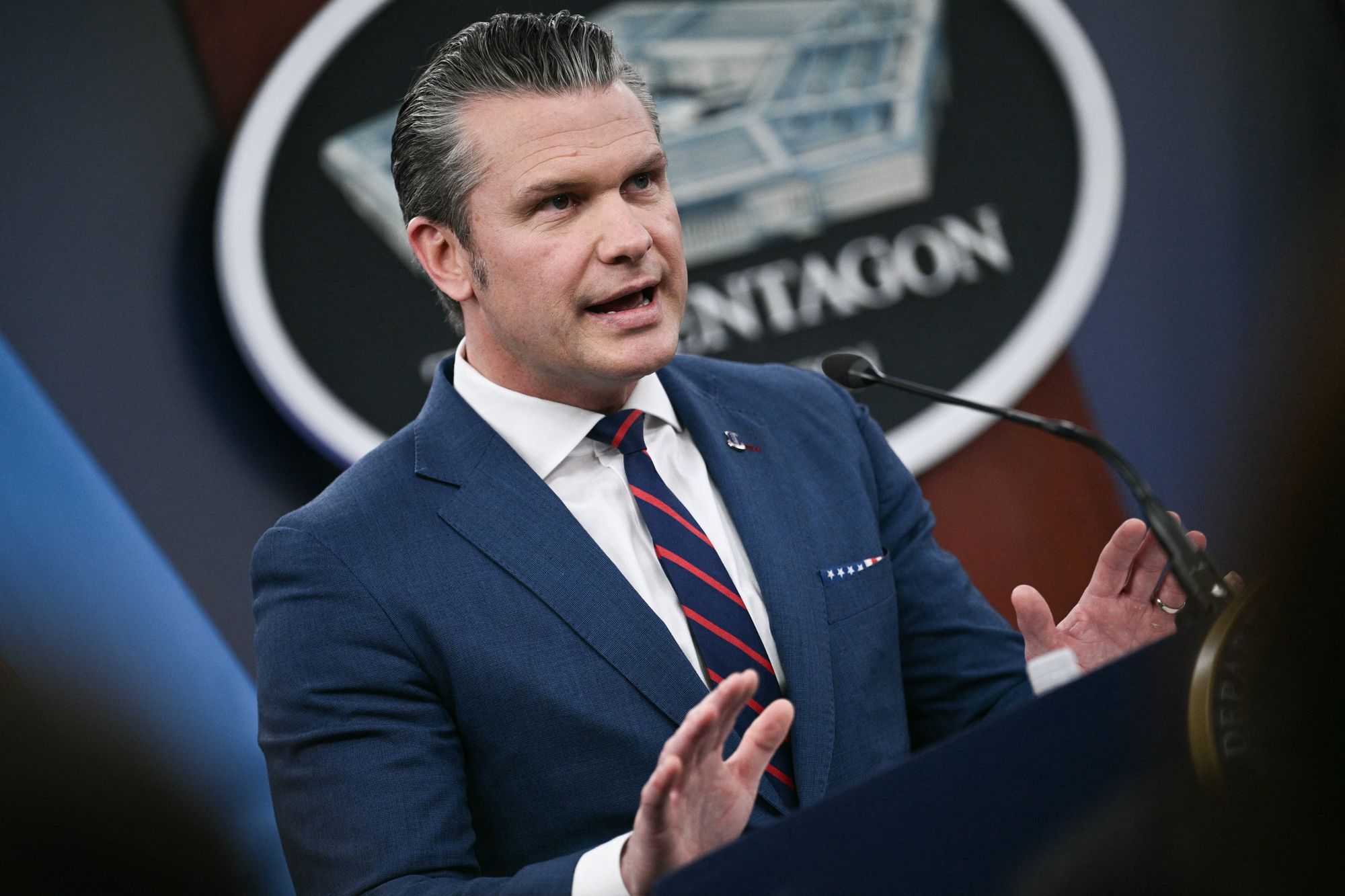
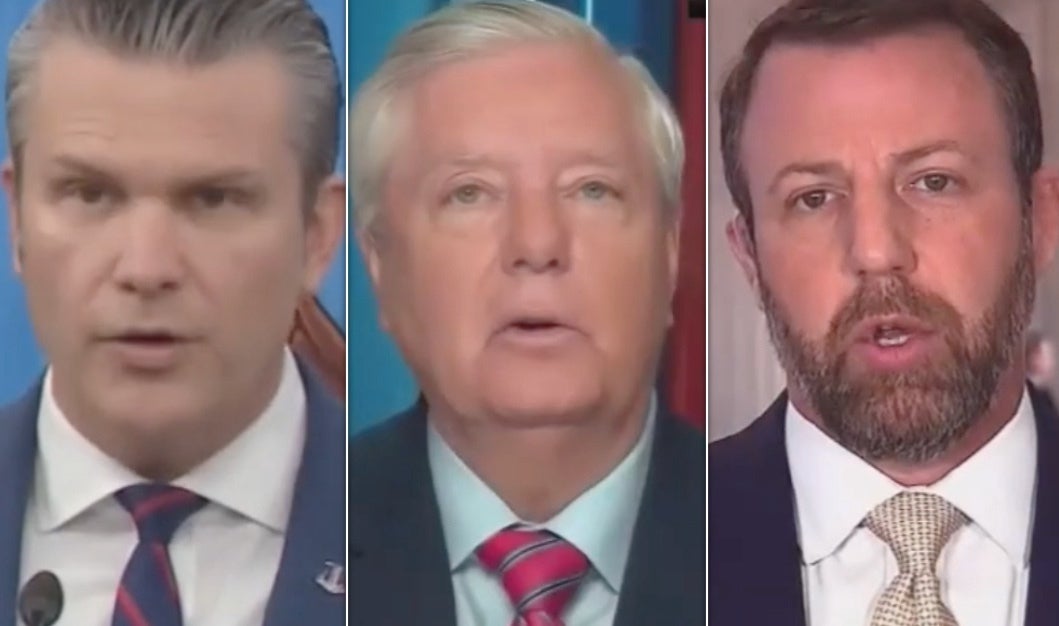
Defense Secretary Pete Hegseth emphasized on Monday that the U.S.-Israeli strikes would not lead to a prolonged conflict.
“This is not Iraq. This is not endless,” Hegseth stated, referencing the lengthy U.S.-led invasion of Iraq from 2003 to 2011.
The U.S. Central Command has articulated that the objective of Operation Epic Fury is to “dismantle the Iranian regime’s security apparatus,” while Trump has claimed, without evidence, that Iranian forces were preparing to attack American troops prior to the strikes.
Earlier this week, Trump indicated that U.S. military involvement in Iran could extend for “four to five weeks,” adding, “We have capability to go far longer than that.”
On Tuesday, a War Powers Resolution proposed by the Republican-led Senate failed to pass, which would have mandated Congressional approval for any further military actions.