Only One Republican Backs Measure to Curb Trump's Military Actions in Iran
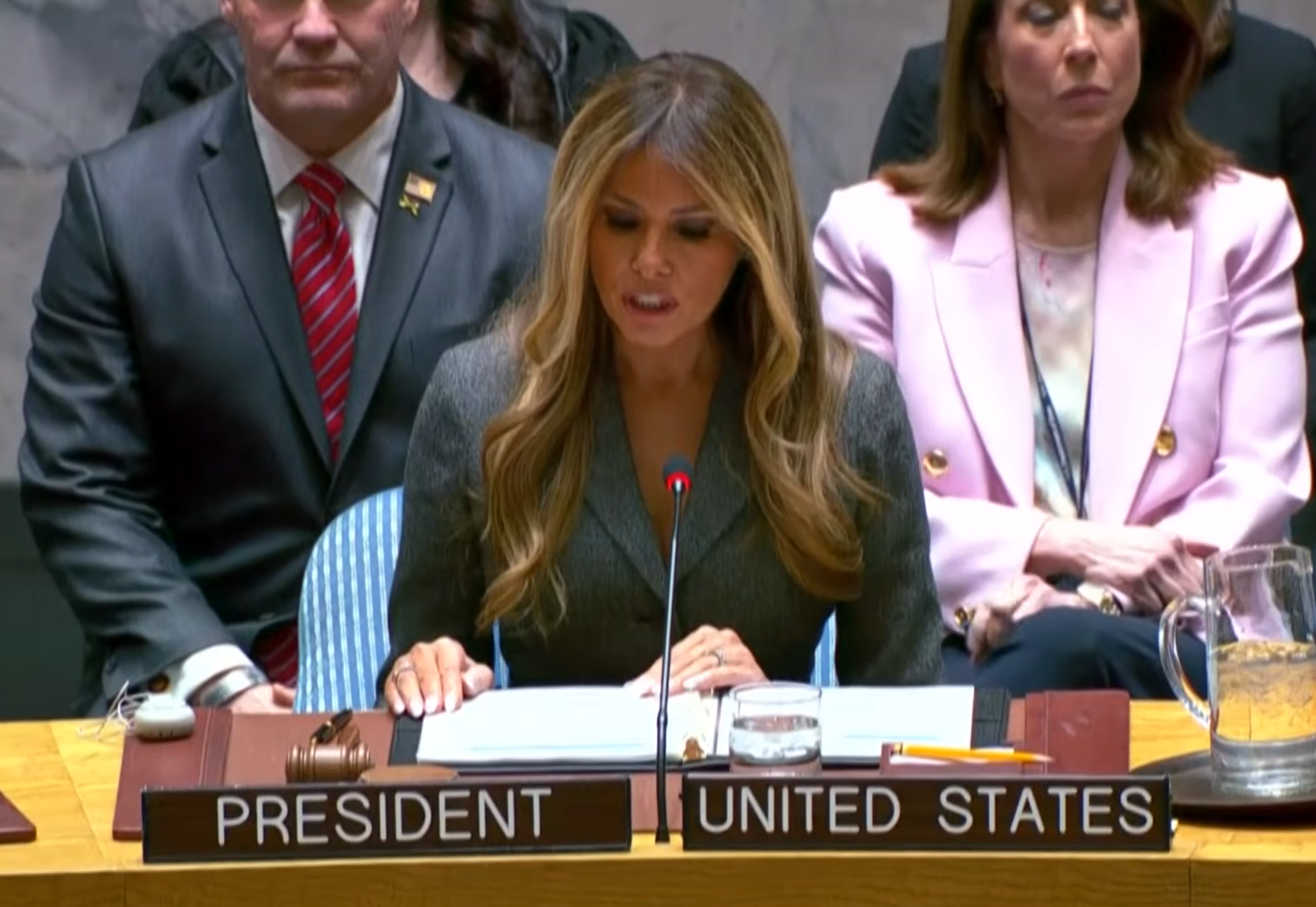
WASHINGTON — A Senate vote on Wednesday saw Republicans overwhelmingly reject a proposal aimed at limiting President Donald Trump’s military actions against Iran, effectively allowing ongoing U.S. air and naval operations to persist without congressional oversight.
The 47-53 vote means no formal discussions will take place regarding another potentially costly military engagement in the Middle East, which has already resulted in the deaths of six U.S. servicemembers and numerous Iranian civilians. This decision comes amid growing bipartisan concerns about the evolving objectives of the mission, its indefinite nature, and fears of U.S. ground troops being deployed.
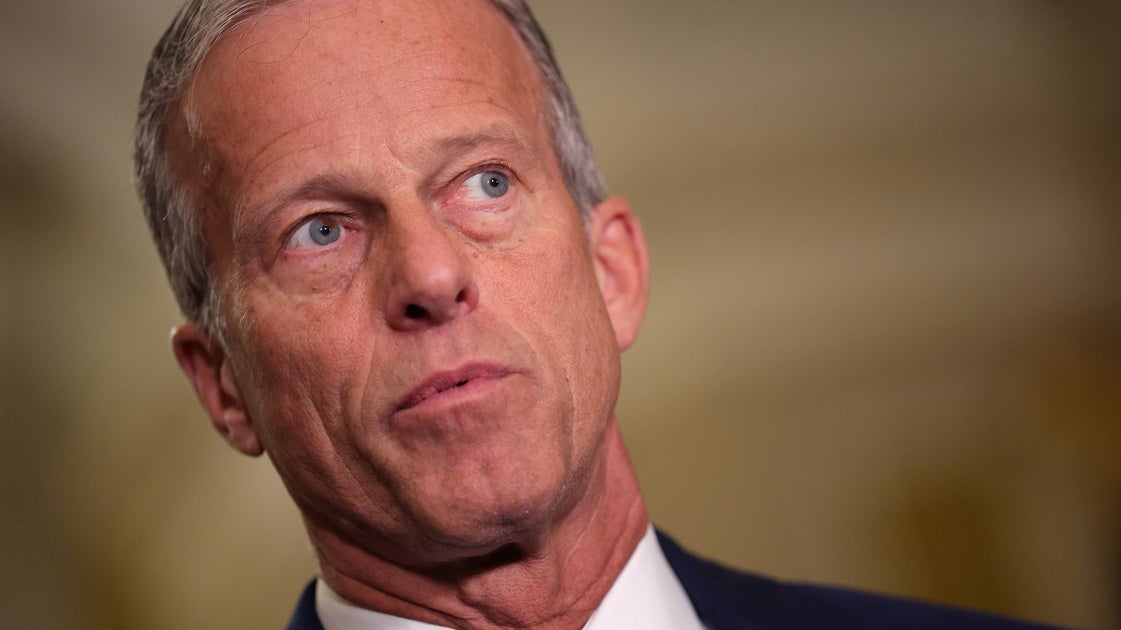
Most Republicans contended that Trump possesses the legal authority to act unilaterally against Iran, citing threats posed to U.S. forces in the region. “The president has broad authorities under Article II of the Constitution,” stated Senate Majority Leader John Thune (R-S.D.) during a press conference. “I think the president is perfectly within his rights to take the steps he took. I think it was a necessary step in order to protect American lives.”
In contrast, Democrats argue that Trump should have sought congressional approval for military strikes, as mandated by the U.S. Constitution. They invoked the War Powers Act, legislation enacted post-Vietnam War to reaffirm Congress's authority over military engagements. This act requires the president to inform Congress when deploying armed forces into hostilities during emergencies and allows lawmakers to initiate disapproval votes.
While Trump did notify Congress about the strikes this week, his assertion of an “imminent” threat from Iran—a long-standing adversary—was met with skepticism from lawmakers across party lines.
Senator Tim Kaine (D-Va.), a prominent advocate for congressional war powers, expressed doubts following a classified briefing on Iran. “I do not believe this got anywhere near that the U.S. was facing an imminent threat. The term has traditionally been used when talking about military actions,” Kaine remarked.
Trump administration officials have presented various justifications for military action against Iran, ranging from regime change to nuclear disarmament. Some claim that the conflict is not truly a war, while others argue that Iran instigated hostilities, positioning U.S. actions as defensive measures alongside Israel.
Senator Rand Paul (R-Ky.), the sole Republican supporting the war powers resolution he co-introduced with Kaine, dismissed many of these arguments as nonsensical. “They’ve been saying they’re one week away from a nuclear weapon, I think, since 1996,” Paul stated in an interview. “The other thing is, ‘Oh no, we’re really been at war for 40 years, and now we’re just ending the war.’ I mean, most of the arguments don’t seem to hold water.”
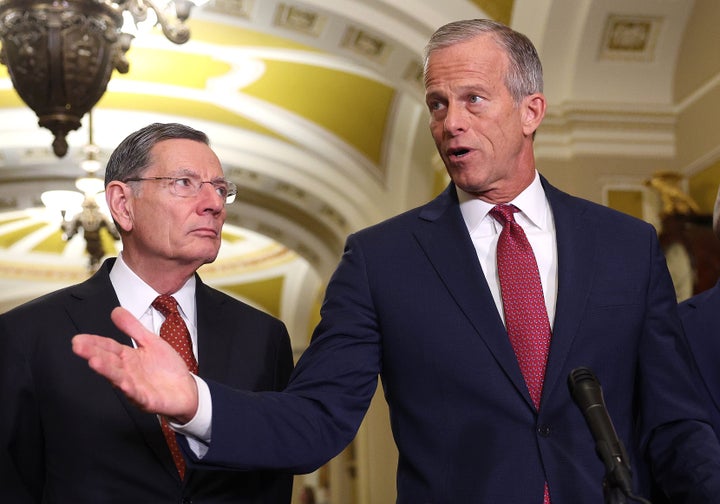
Paul emphasized that the Constitution grants Congress the power to declare war to reduce the likelihood of conflict.
Senator Thom Tillis (R-N.C.), who criticized the Trump administration but voted with his party against the resolution, indicated his stance might shift if U.S. involvement escalates. “If it’s clear that this is a weeks-long process, and whether troops are visibly or covertly deployed there, then we need to have a serious discussion about an authorization for the use of military force,” Tillis noted.
The GOP-controlled House is set to vote on its own War Powers resolution aimed at halting hostilities with Iran on Thursday, though it is expected to fail due to support from several House Democrats for ongoing operations that have resulted in significant casualties among Iranian leadership.
Among Senate Democrats, only John Fetterman of Pennsylvania diverged from party lines to support continued military action in Iran. Other Senate Democrats cautioned that Trump risks entangling the U.S. in another prolonged conflict in the Middle East, contradicting his campaign promises to end such wars.
“How many parents watched their kids ship off and fight and die in Iraq and Afghanistan?” Senate Minority Leader Chuck Schumer (D-N.Y.) questioned during a Senate floor speech. “How many sleepless nights did families have over the last 20 years, worried about their loved ones? How many headlines did we watch over the decades of troops getting shot down, of convoys being attacked, of wounded soldiers returning home forever scarred by the horrors of war? How many hundreds of billions of dollars were wasted? How much anguish and suffering and grief did America endure?”
“This is madness,” he concluded.