
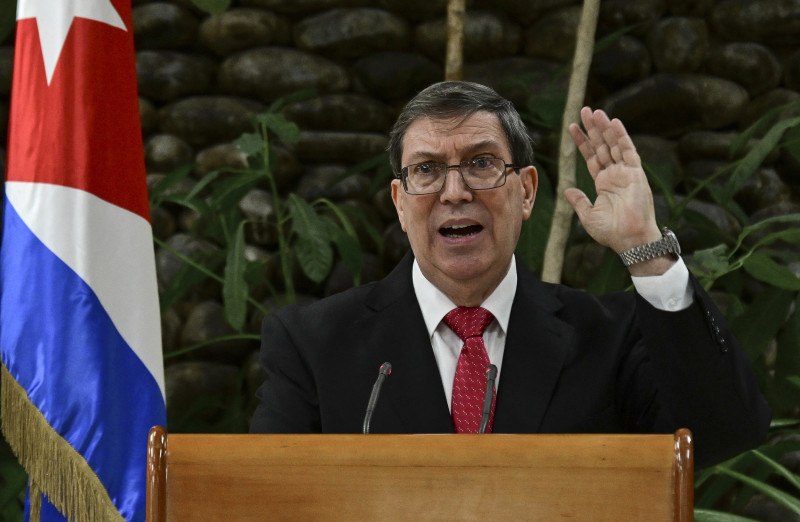


Tehran Threatens Vengeance: US Family Killed in Strike Sparks Outrage
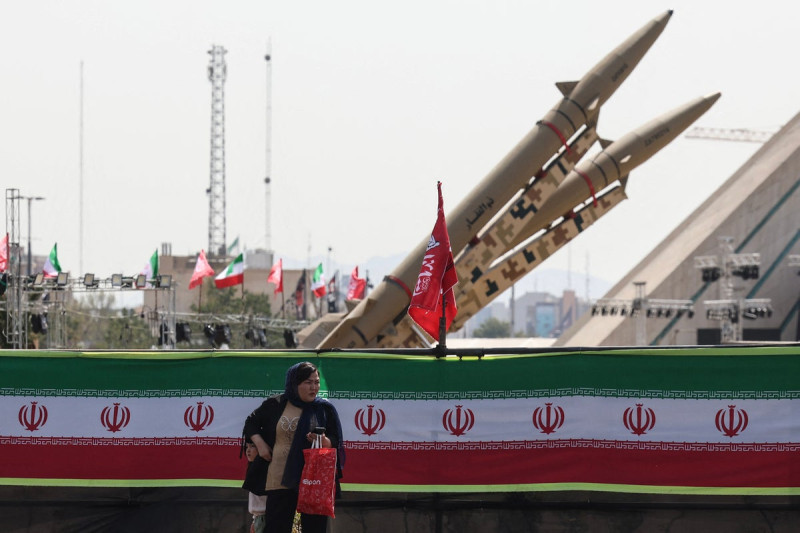
Tehran has issued a stark warning to the United States, declaring it will “pay the price” following the reported killing of a family of three, including a two-year-old child, in a strike on Qeshm Island.
Iranian parliament speaker Mohammad Bagher Ghalibaf condemned the attack as a “continuation of the atrocities in Minab and Lamerd.” Reports from an IRGC-linked news agency indicated that at least three individuals were killed when a residential building was struck.
Ghalibaf accused the US of “growing accustomed to making up for the slaps they receive on the battlefield by spilling the blood of the innocent,” making his sentiments clear on social media platform X.

“They will pay the price,” he asserted, intensifying the rhetoric against US military actions.
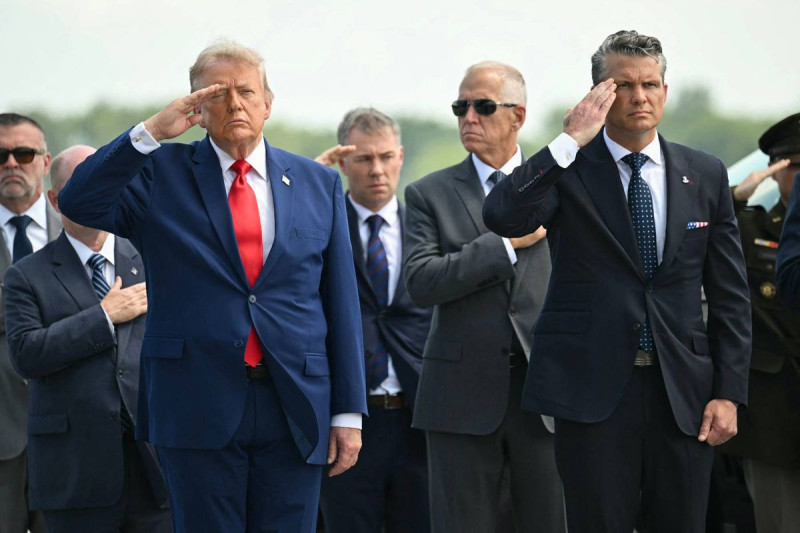
Meanwhile, reports indicate that President Donald Trump’s top general is preparing for an extensive air campaign against Iran, with plans for 14 days of strikes. Admiral Brad Cooper, head of US Central Command, is reportedly designing a devastating offensive.
The rationale behind this escalation is to compel Tehran to comply with US demands regarding the Strait of Hormuz, as previous smaller attacks have failed to deter the IRGC.

Iran's Foreign Minister Abbas Araghchi has urged Bulgaria to reconsider its decision to allow temporary deployment of U.S. military aircraft at the Bezmer air base. He characterized Sofia's approval as facilitating aggression against Iran, which he deemed unacceptable and contrary to their traditionally friendly relations.
Iran has consistently warned nations permitting their territory for US military operations against it that they could "face consequences." Araghchi also communicated with Cypriot Foreign Minister Constantinos Kombos, emphasizing the need to prevent foreign military bases in Cyprus from being used against Iran.
Concerns are rising over a potential convergence of major global conflicts after Ukraine attacked an Iranian vessel in the Caspian Sea, prompting Tehran to vow retaliation.
Iran reported that one sailor was killed and another injured in the Ukrainian assault, leading to a formal protest lodged with Ukraine’s chargé d’affaires in Tehran over what was labeled a “hostile and criminal” act.

In discussions with EU diplomat Kaja Kallas and Russian Foreign Minister Sergei Lavrov, Araghchi stated that the attack on a commercial vessel “cannot go unanswered.”
The US has imposed new sanctions targeting global networks supporting Mahan Air, which Washington claims transports personnel for Iran's Revolutionary Guards along with weapons and drones. The US Treasury designated six entities and individuals across China, India, Russia, and Iran for their roles as sales agents and support networks for the airline.
With the US-Iran ceasefire shattered, Trump has escalated threats against Tehran’s nuclear facilities. His latest target is Kuh-e Kolang Gaz La, or “Pickaxe Mountain,” suspected of housing underground operations linked to Iran's Natanz nuclear enrichment site.
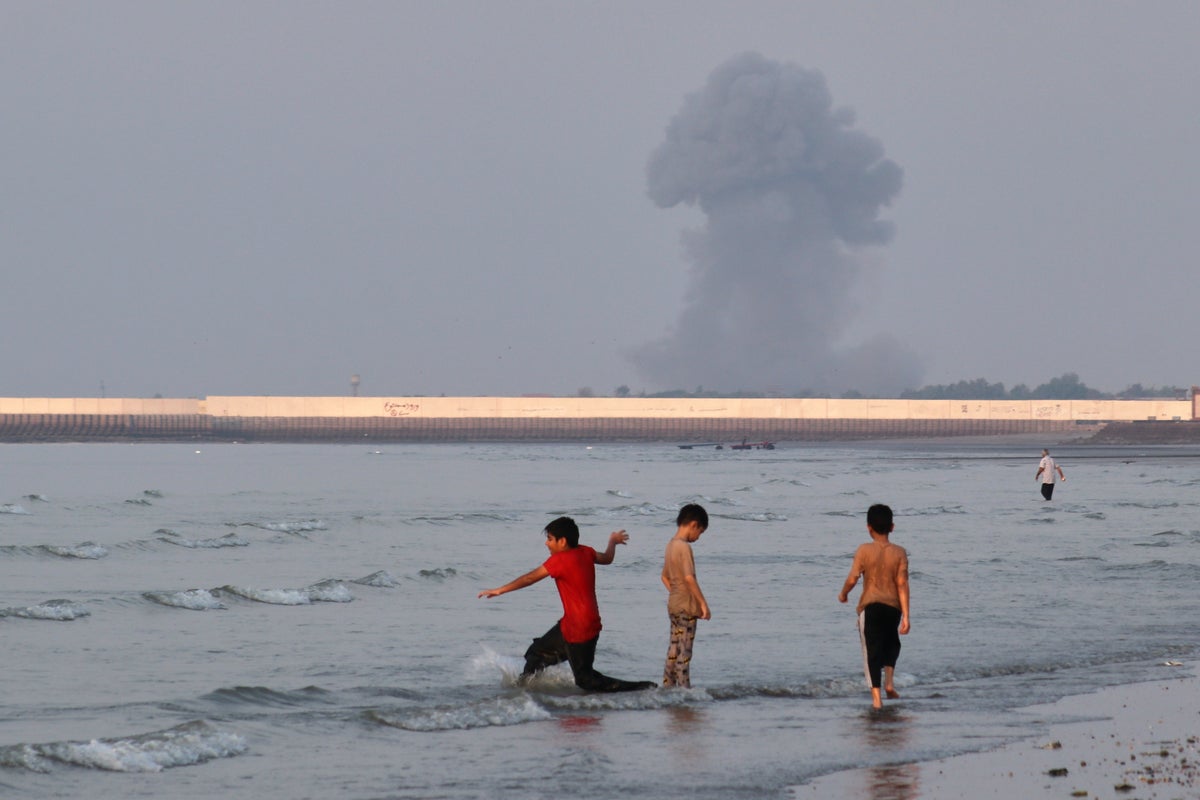
This follows Operation Midnight Hammer, where coordinated attacks on various nuclear and military facilities were launched over a year ago to disrupt Tehran’s nuclear ambitions.
The US military reported no aircraft were destroyed or damaged during recent Iranian attacks, countering claims from Iran's Revolutionary Guards that three US F-35 jets and additional aircraft were taken out.
US Central Command also denied reports that the commercial vessel M/T Nora breached America’s blockade of Iranian ports, dismissing claims made by Iranian state media.

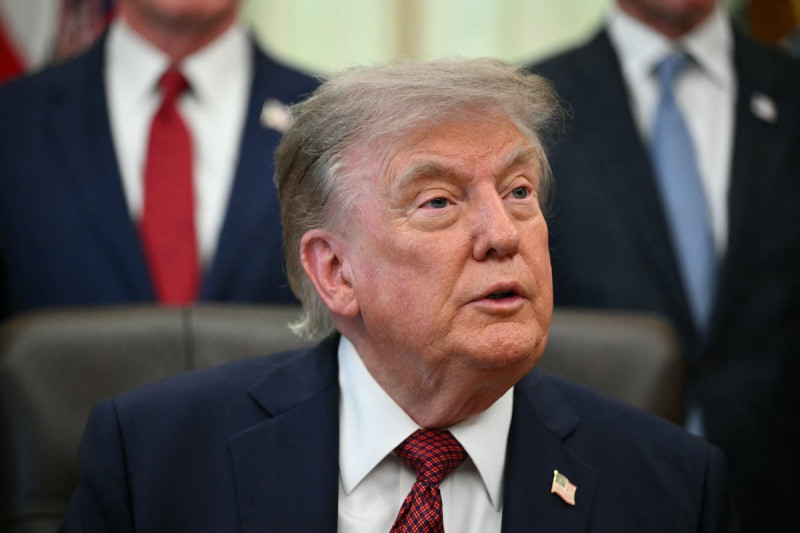
Trump is reportedly “exasperated” by the lack of progress in resolving the conflict with Iran and the absence of a unified strategy among his military advisers. An unnamed ally revealed that Trump did not anticipate such difficulty in negotiating with Iran.
Port operator DP World is negotiating to develop new facilities in Fujairah to alleviate pressure on its flagship Jebel Ali port. This comes after Jebel Ali was recently damaged by debris from an Iranian missile, leading to direct attacks on Dubai International Airport and US military bases.
The conflict has spread across the Middle East, threatening to escalate into a regional war as hostilities between the US and Iran enter their sixth month. Following US-Israeli strikes that eliminated supreme leader Ayatollah Ali Khamenei on February 28, several nations have been affected by Iranian retaliatory actions throughout the Gulf.
A blockade in the Strait of Hormuz has disrupted supply chains globally. After intense fighting in March and April, a ceasefire was briefly established but collapsed earlier this month due to disagreements over the Strait of Hormuz.