The Disturbing Fascination Trad Men Have with 'Pilates Girls' Content
Trad men have latched onto a new obsession: the “Pilates girl.” This trend has emerged as Pilates, a low-impact exercise focusing on core strength and alignment, gains traction among women. The workout, favored by celebrities, can be performed at home or in studios equipped with specialized machines, and practitioners often praise its stress-relieving benefits.
However, Pilates carries a stigma; many perceive it as an activity for affluent white women. Much like yoga, which previously dominated the fitness scene, Pilates is not inherently exclusive, yet its marketing often reflects a narrow ideal of beauty and wealth. A typical group class can cost between $30 and $65, further entrenching this perception.
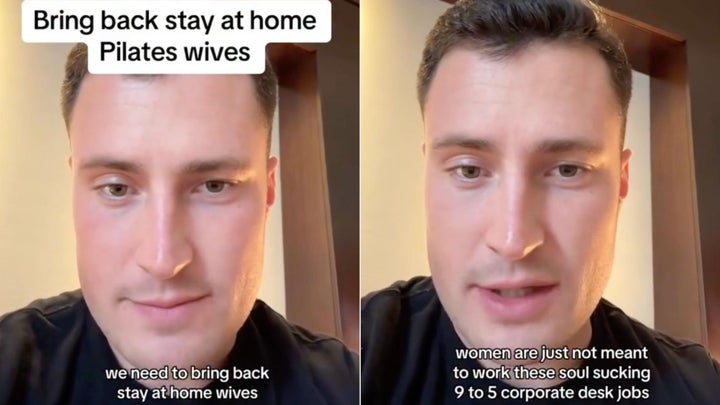
The allure of Pilates lies in its ability to create a toned physique without bulking up. This has attracted a specific demographic of men who expect their partners to dedicate significant time to the practice. “If your girl goes to Pilates, wife her up immediately,” declared entrepreneur Christian Bonnier in a viral Instagram Reel, labeling the exercise as “wholesome” and a “green flag.”
Bonnier elaborated, “If your girl goes to Pilates, she’s probably staying in on weekends to attend classes and will return in a great mood after working out with friends.” His comments reflect a broader trend where men idealize women who engage in this fitness routine.
View this post on Instagram
Reality television has also showcased this fixation. In a recent season of a popular dating show, contestant Chris Fusco faced backlash for ending his engagement with Jessica Barrett partly because she didn’t fit his Pilates-loving ideal. “Love Is Blind, as Long as Love Does Pilates,” quipped one publication about the incident.
Adding to the discourse, Jessi Draper from “The Secret Lives of Mormon Wives” revealed that her estranged husband insisted she practice Pilates daily, linking it to traditional gender roles. “He said he wanted to be more masculine and me more feminine,” Draper recounted on a podcast.
How did Pilates, established in the 1920s, become entwined with these retrograde ideals? Pilates instructors offer insights. Sabrina Seymore, owner of Prevailing Pilates, noted that the exercise’s aesthetic—characterized by long lines and control—can be misinterpreted by some men as “feminine” or “low-risk.”
This phenomenon seems to blend aesthetic culture with outdated gender norms. Seymore remarked that Pilates was never intended to convey a woman’s desirability or values; it is fundamentally about strength and awareness for everyone.
Joseph Pilates developed this system during World War I while interned in British camps, using makeshift equipment to help bedridden patients regain strength. Later, Kathleen Stanford Grant played a crucial role in popularizing Pilates in the U.S.
For Seymore, it’s disheartening to see Pilates reduced to a mere personality trait or dating filter for men seeking traditional partners. She emphasized that the practice should empower individuals rather than conform to societal expectations of femininity.
Coach Zha, a Philadelphia-based instructor, echoed this sentiment: “The women I see in Pilates are rebuilding themselves. It’s about choosing yourself, not fitting into someone else’s mold.”
Mariel Barnes, an assistant professor studying the manosphere's impact on politics, noted that such men often seek partners who fit a specific physical profile—fit, slim, and typically young. This aligns with their belief that feminism has made women too assertive.
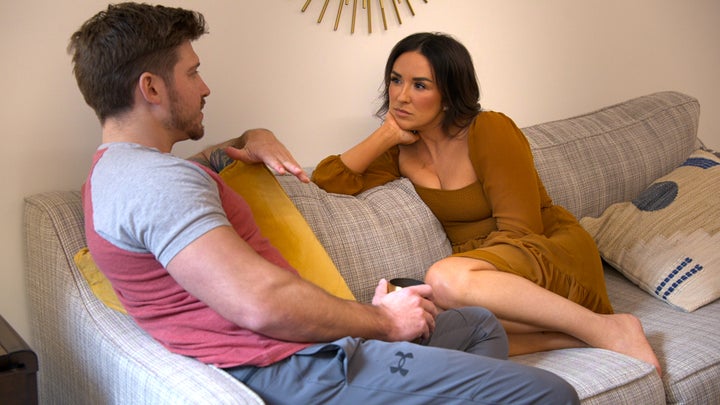
Barnes explained that the manosphere's preference for women who do Pilates stems from an assumption that they embody a softer lifestyle. The term “soft life” has emerged among Gen Z influencers promoting a rejection of hustle culture in favor of leisure and luxury provided by husbands.
One influencer’s video depicted a woman embracing this lifestyle while grocery shopping, captioned: “You woke up one day and realized you’re the Whole Foods-shopping, vacationing in Europe, Pilates-going wife.” This narrative resonates with trad husbands who desire compliant partners.
“‘Pilates girl’ has become a coded term,” Barnes stated. “It sounds better than admitting one seeks superficiality and control in relationships.”
Despite these trends, women of color instructors are determined to reclaim Pilates from manosphere influences. Tay Milburn emphasized that true Pilates is adaptive and intuitive, not merely about aesthetics or male approval.
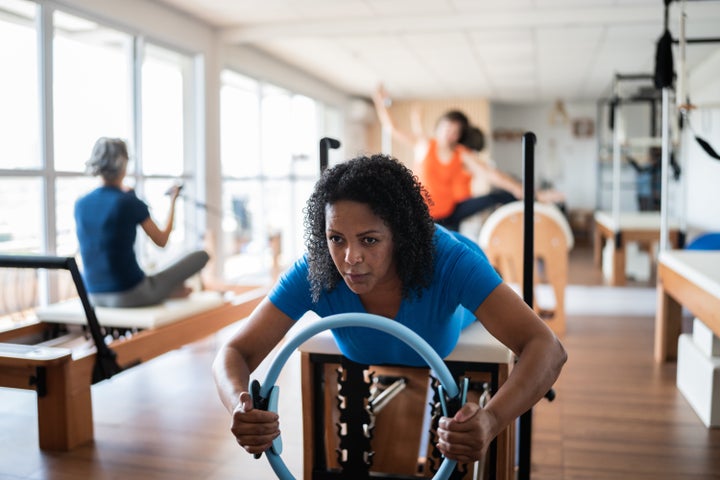
Milburn criticized the reduction of Pilates to its visual appeal: “They engage with it for the male gaze rather than as a wellness practice.” She believes the current discourse misrepresents what Pilates truly embodies—connection and healing.
Sonja R. Price Herbert, founder of Black Girl Pilates, acknowledged the historical intimidation surrounding the practice due to a lack of representation. Her initiative aims to create safe spaces for Black female instructors and practitioners alike.