
Trump-Backed Collins Crushes Dooley in Georgia Senate Showdown
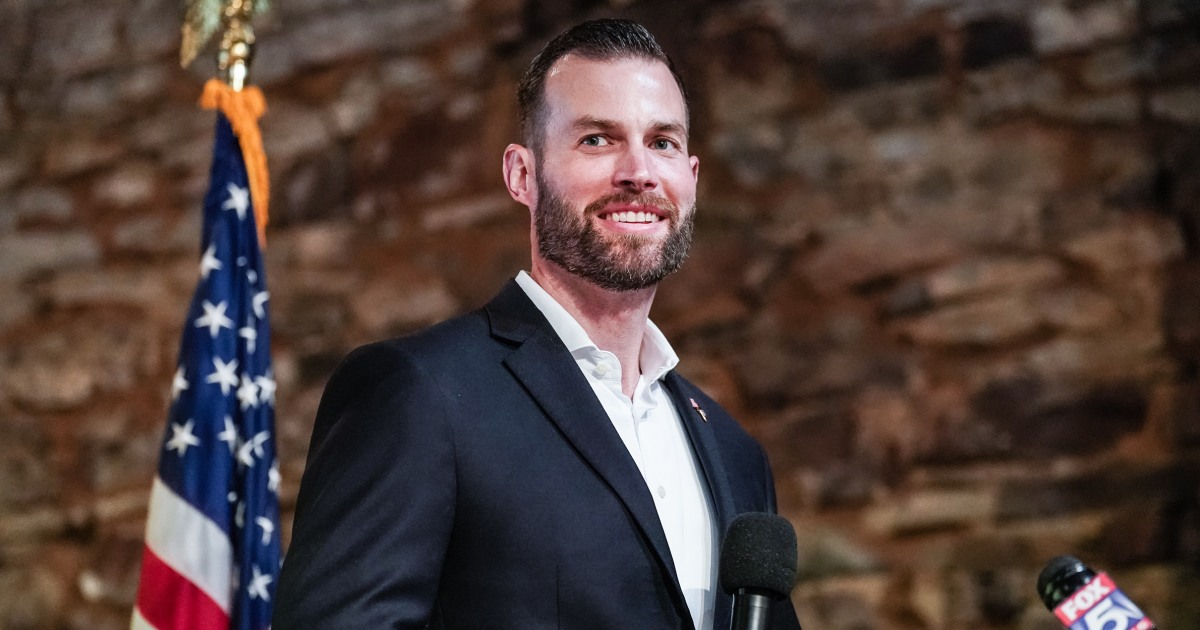
Rep. Mike Collins steamrolled first-time candidate Derek Dooley to snag the Republican U.S. Senate nomination in Georgia, positioning himself to challenge Democratic Sen. Jon Ossoff in a race that could tip the balance of power in Washington during Donald Trump’s second term.
Trump’s shadow looms large over this election. While the president stayed silent during the primary runoff, Collins has been a staunch Trump ally since his House victory in 2022. A trucking mogul and son of a former congressman, Collins brands himself as a “MAGA warrior.”
Ossoff, who stormed into office in 2020, has labeled Trump a “national embarrassment,” accusing him of exploiting the presidency for personal gain. At 39, Ossoff stands as the sole Senate Democrat in a state Trump dominated in 2024. The pressure is on Democrats to retain this seat as they aim for a net gain of four seats to seize Senate control.
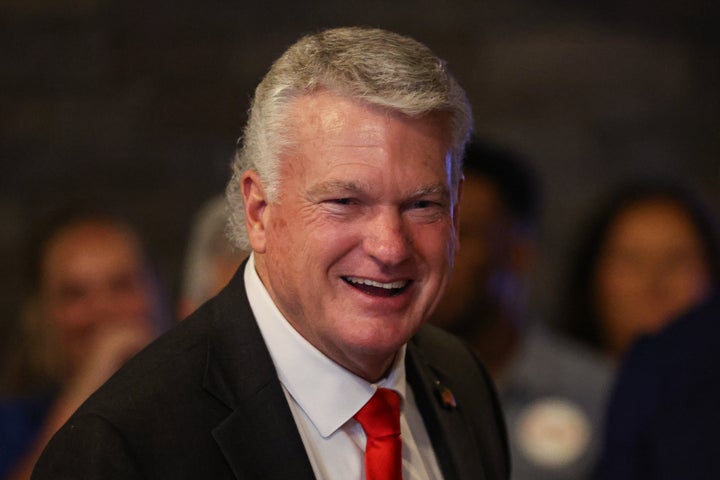
Republicans have been shut out of U.S. Senate victories in Georgia since 2016, the year Trump first took office.
Despite his Trump ties and backing from the Republican base, Collins insists he can forge a broad coalition. He plans to leverage immigration as a key issue against Ossoff. In Congress, Collins championed the Laken Riley Act, a 2025 law mandating detention for immigrants accused of specific crimes. This legislation honors a Georgia nursing student murdered in 2021 by an undocumented Venezuelan. Ossoff initially opposed a version of this bill before ultimately supporting the final draft after Trump regained power.
Collins secured his nomination even as rivals spotlighted a House ethics complaint alleging misuse of taxpayer funds. The complaint claims he paid his former top adviser's girlfriend for congressional duties she allegedly failed to perform. Following an initial probe, a federal panel referred the case to the House Ethics Committee.
As he launches his general election campaign, Collins faces a significant financial hurdle. He raised approximately $4.9 million by the end of May but reported less than $1.2 million remaining. In stark contrast, Ossoff had amassed $60.4 million by late April, with $32.5 million still available before his primary.