Trump Boosts Global Tariff to 15% Just Hours After Unveiling 10% Duty
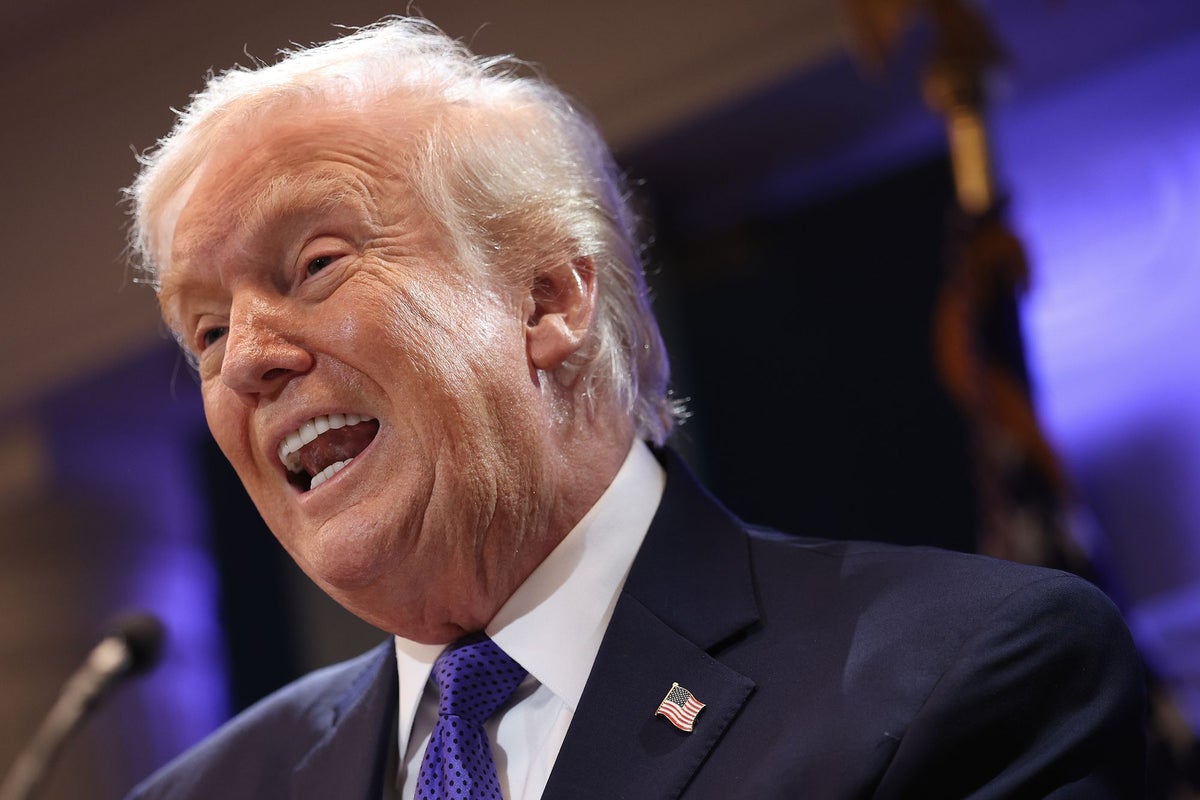
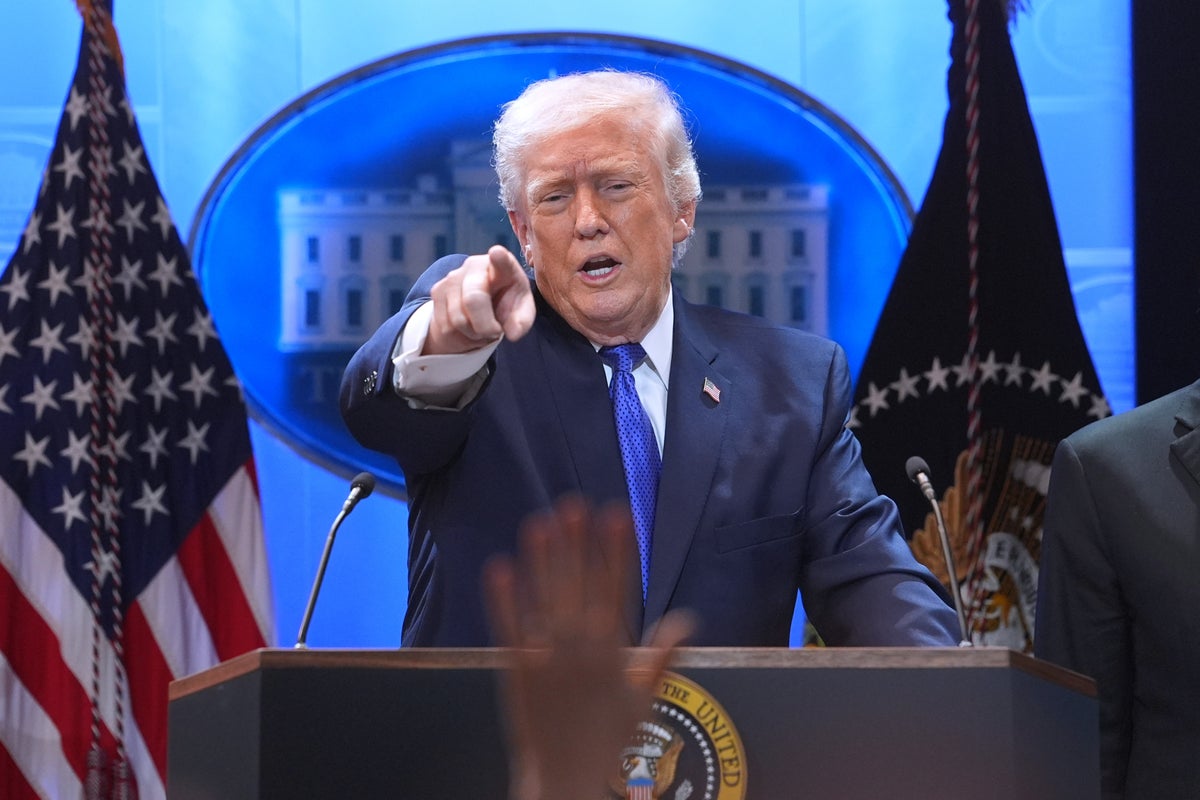
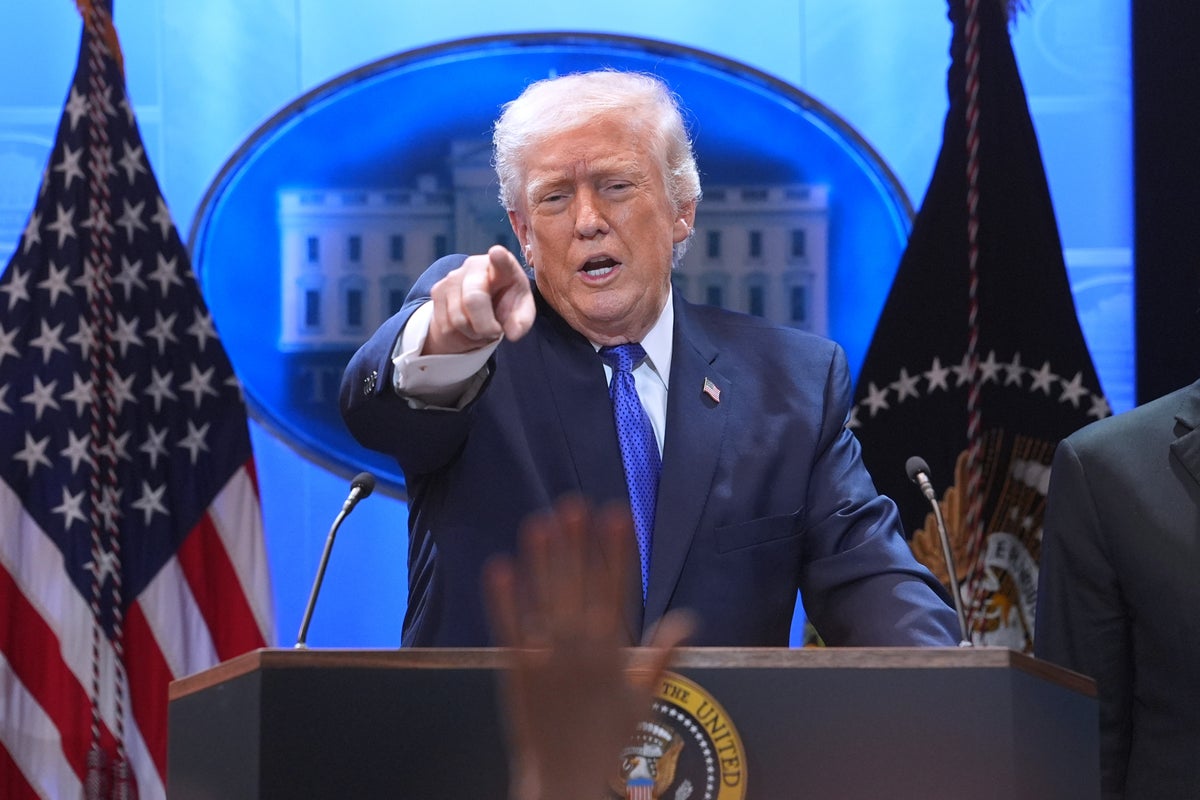
President Donald Trump announced on Saturday a significant increase in his global tariff, elevating it to 15% less than 24 hours after introducing a 10% import tax on foreign goods.
On Friday, the President had declared a blanket 10% duty for all international trading partners following a Supreme Court ruling that invalidated many of his previous tariffs.
The court's decision, which was split 6-3, determined that Trump's aggressive tariff strategy did not comply with the International Emergency Economic Powers Act (IEEPA) established in 1977.
This ruling effectively nullified most existing tariffs, with exceptions for specific sectors like automobiles, car parts, and semiconductor chips.
“I, as President of the United States of America, will be, effective immediately, raising the 10% Worldwide Tariff on Countries, many of which have been ‘ripping’ the U.S. off for decades, without retribution (until I came along!), to the fully allowed, and legally tested, 15% level,” Trump stated in a social media post on Saturday.
Despite this adjustment, the new universal tariff still represents a significant reduction for many key trading partners. For some nations, the tariff rates will remain unchanged.
Prior to the Supreme Court's ruling against Trump's IEEPA tariffs, imports from Japan and the European Union faced a 15% duty.
Countries like Mexico, Canada, and China are expected to experience substantial decreases in their overall tariff rates. Other major trading partners such as India and Brazil will also see lowered duties.
The new global tariff is being enacted under Section 122 of the 1974 Trade Act, which differs from the law that rendered previous tariffs illegal.
This legislation permits the President to impose a “temporary import surcharge” of up to 15% if there are “large and serious United States balance of-payments deficits” or to avert a significant depreciation of the U.S. dollar in foreign exchange markets.
These tariffs can remain in effect for up to 150 days, after which Congress may need to intervene for an extension. The law does not clarify whether the administration could reinstate tariffs immediately after this period through another executive order.
Simultaneously, U.S. Trade Representative Jamieson Greer announced that the administration would initiate Section 301 investigations into “most major trading partners” on an “accelerated timeframe.”
These investigations could enable the administration to impose additional tariffs under another provision of the 1974 law if it determines that “the rights of the U.S. are being denied under any trade agreement or if any trade agreement is unjustifiable and burdens or restricts United States commerce.”