

Trump Claims U.S. Seized Iranian Cargo Ship Attempting to Evade Blockade
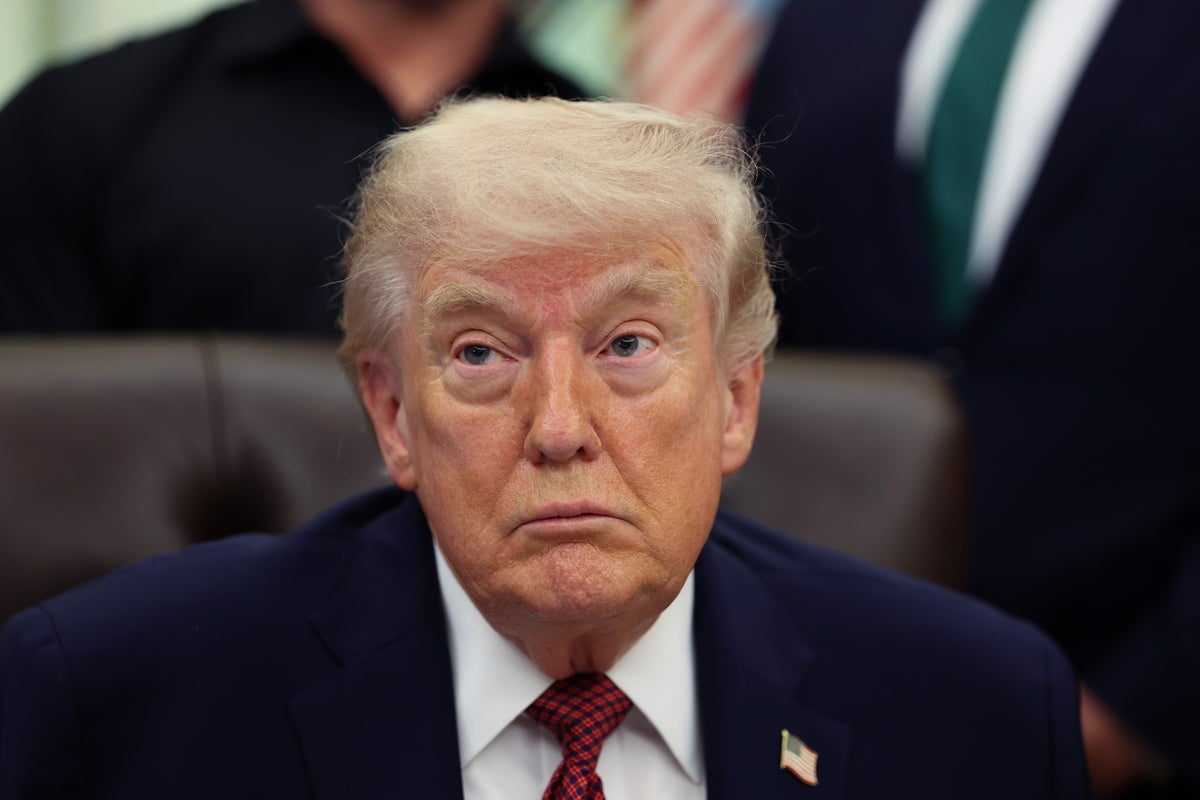
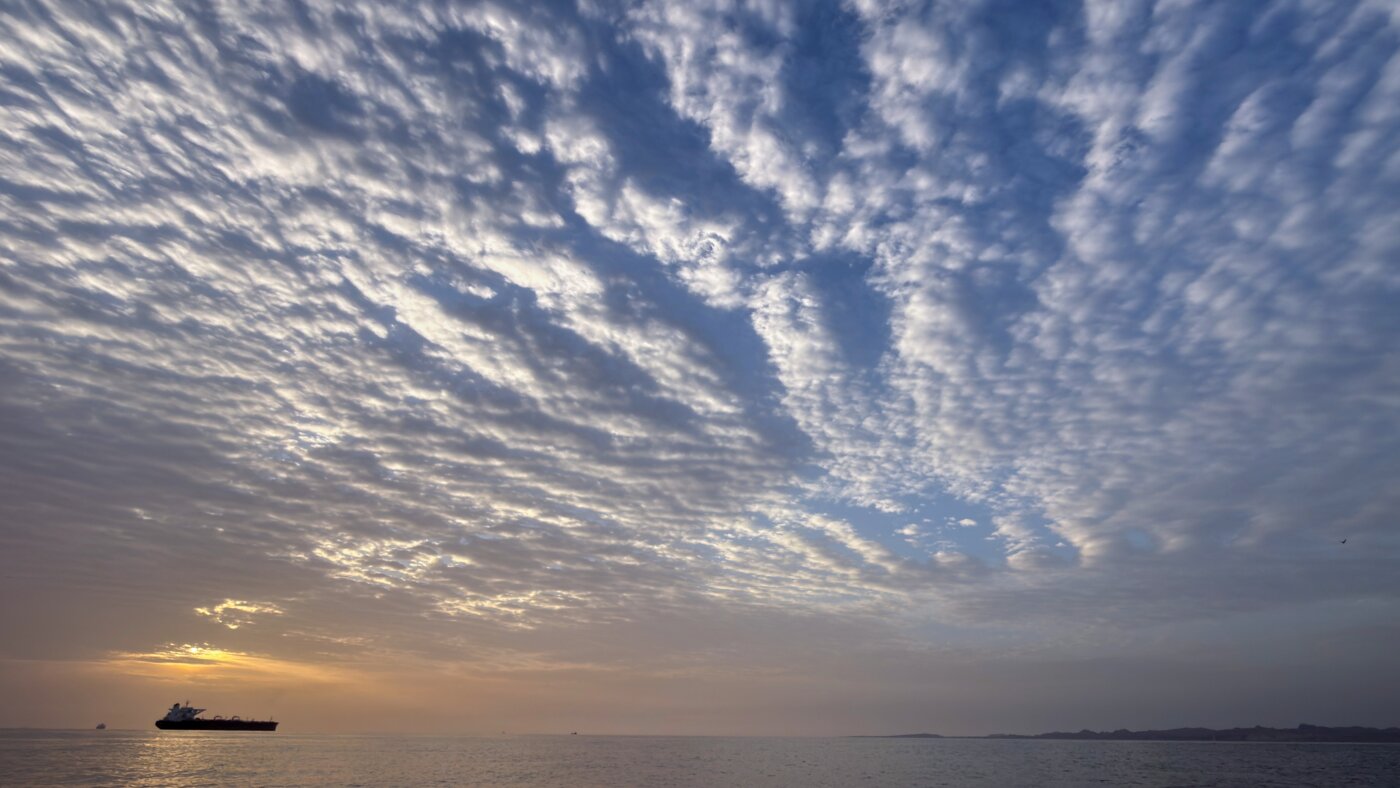
President Trump announced Sunday that U.S. forces seized an Iranian-flagged cargo vessel attempting to bypass a naval blockade near the Strait of Hormuz. The ship, identified as Touska, was reportedly warned by a U.S. Navy guided missile destroyer in the Gulf of Oman but failed to comply.
“Our Navy ship stopped them right in their tracks by blowing a hole in the engineroom,” Trump stated in a social media post, emphasizing the aggressive action taken by U.S. forces. He confirmed that U.S. Marines were now in custody of the vessel and were “seeing what’s on board!”
This incident marks a significant escalation in ongoing tensions between the U.S. and Iran, particularly concerning maritime traffic in the strategically vital strait. As the U.S. prepares for another round of negotiations with Iran, the situation remains precarious with a ceasefire set to expire soon.
In a related development, U.S. negotiators are scheduled to travel to Pakistan on Monday for discussions aimed at extending the fragile ceasefire, which is due to end by Wednesday. However, Iran has yet to confirm its participation in these talks. Chief negotiator Mohammed Bagher Qalibaf expressed skepticism about the diplomatic process, stating, “there will be no retreat in the field of diplomacy,” while acknowledging significant gaps between the two nations.
Security measures have been heightened in Islamabad as preparations for the talks continue, although host country officials have not officially confirmed the meeting. A regional official involved in the negotiations indicated that mediators are finalizing arrangements, with U.S. security teams already on-site.
Vice President JD Vance is set to lead the U.S. delegation, which includes envoys Steve Witkoff and Jared Kushner. Meanwhile, Iran has indicated it received new proposals from the U.S., but it remains unclear if either side has made concessions on contentious issues such as Iran’s nuclear program and its influence in the region.
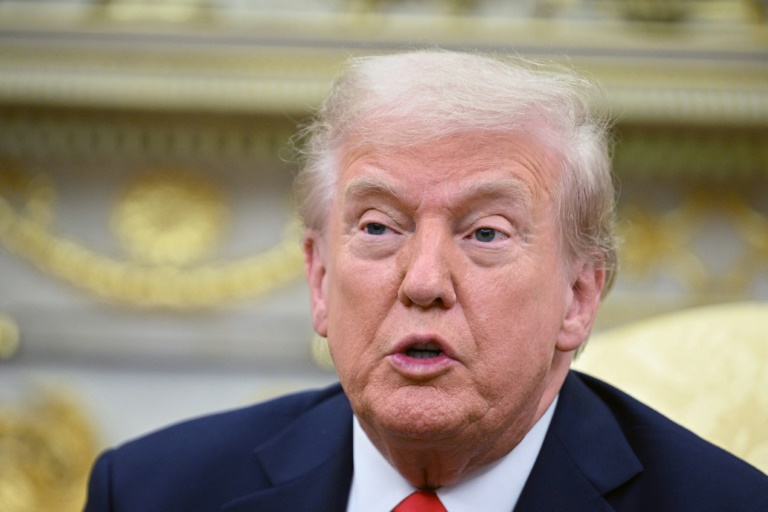
Trump reiterated his threats against Iranian infrastructure, warning that if Iran does not agree to U.S. terms, “the United States is going to knock out every single Power Plant, and every single Bridge, in Iran.” Such statements have drawn criticism and raised concerns about potential war crimes.
As tensions mount, ships continue to face challenges transiting the Strait of Hormuz due to threats from Iran and the ongoing U.S. blockade. Hundreds of vessels are currently waiting for clearance at both ends of this critical waterway.
The blockade has exacerbated an already dire global energy crisis, with approximately one-fifth of the world’s oil trade passing through the strait, alongside essential supplies for agriculture and humanitarian aid.
Iranian officials have firmly stated that no ships will be allowed to pass while the blockade remains in effect. Qalibaf emphasized, “It is impossible for others to pass through the Strait of Hormuz while we cannot.”
In his remarks regarding the ceasefire talks, Trump accused Iran of violating the truce by targeting vessels in the strait. Conversely, Iranian officials have labeled the U.S. blockade as an act of aggression.
Despite announcing a reopening of the strait following a temporary truce with Hezbollah, Iran has vowed to maintain its restrictions until a satisfactory agreement is reached with the U.S.
Following a brief increase in transit attempts, Iran fired upon two Indian-flagged merchant ships, forcing them to turn back and prompting India to summon Iran's ambassador over this serious incident.
The closure of the strait serves as a potent leverage point for Iran amidst ongoing hostilities that have claimed thousands of lives across the region since the conflict escalated eight weeks ago.
Iran’s Supreme National Security Council has asserted its intention to control traffic through the strait until hostilities cease completely, indicating that routes and fees will be strictly regulated.
In diplomatic efforts, Pakistani Foreign Minister Ishaq Dar has been actively engaging with Iranian officials to mediate differences between Washington and Tehran. Prime Minister Shehbaz Sharif also held discussions with Iran’s President Masoud Pezeshkian.
Iranian Deputy Foreign Minister Saeed Khatibzadeh warned that U.S. actions could jeopardize the entire ceasefire package and reiterated that Iran would not relinquish its stockpile of enriched uranium without significant concessions from the U.S.
This version corrects previous inaccuracies regarding Iranian officials' statements and positions.