Trump Dismisses Attempts to Initiate Iran Ceasefire Negotiations, Sources Reveal
In a decisive move, the Trump administration has rejected initiatives from Middle Eastern allies aimed at initiating ceasefire talks regarding the ongoing conflict with Iran, which escalated following a significant U.S.-Israeli airstrike two weeks ago, according to multiple sources familiar with the situation.
Iran has firmly stated that it will not consider a ceasefire until U.S. and Israeli military actions cease, as reported by two senior Iranian officials. Various nations have attempted to mediate an end to the hostilities, but their efforts have been met with resistance.
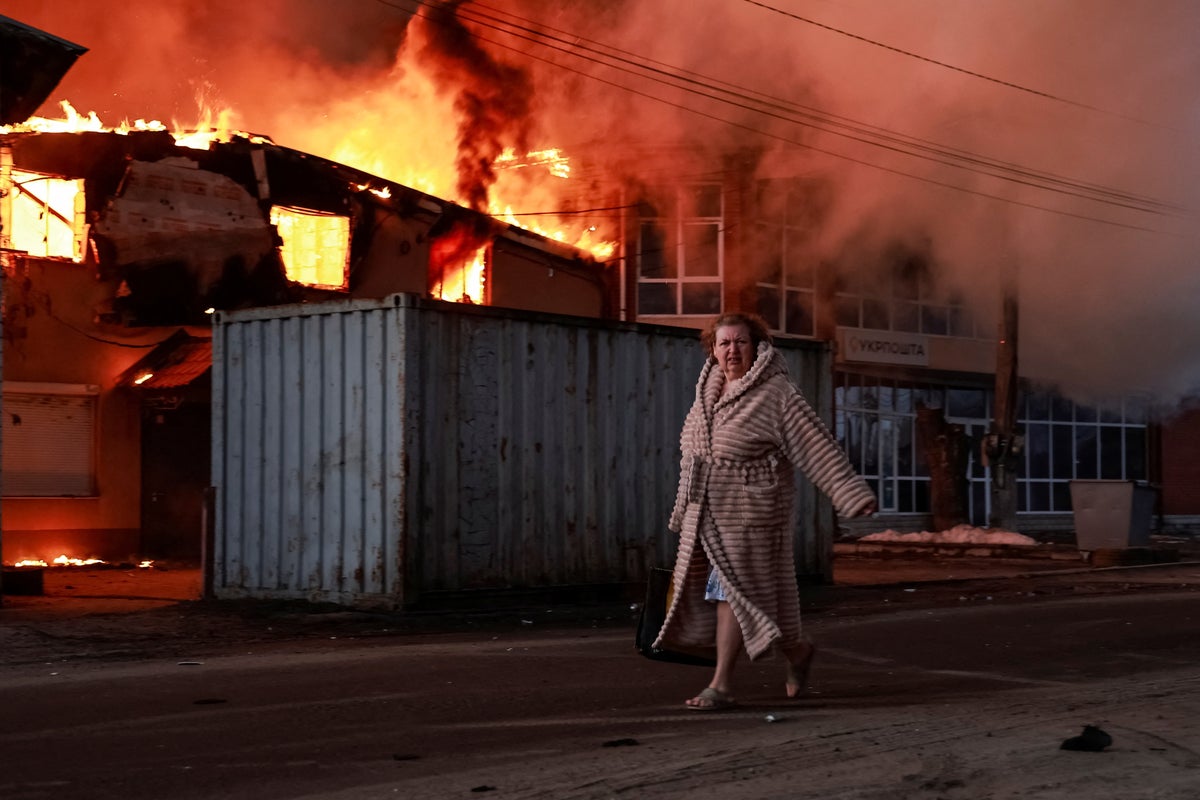
The apparent disinterest from both Washington and Tehran indicates a commitment to prolonging the conflict, even as civilian casualties mount and Iran's closure of the Strait of Hormuz drives oil prices higher.
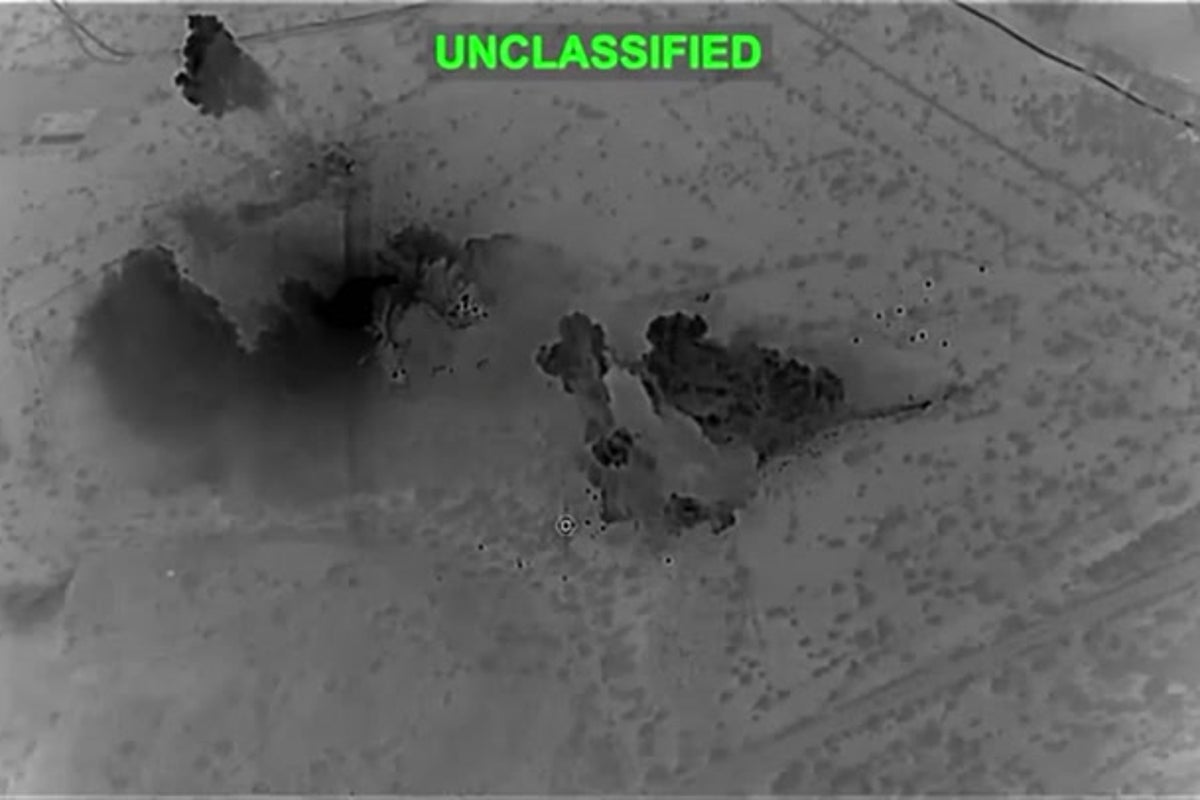
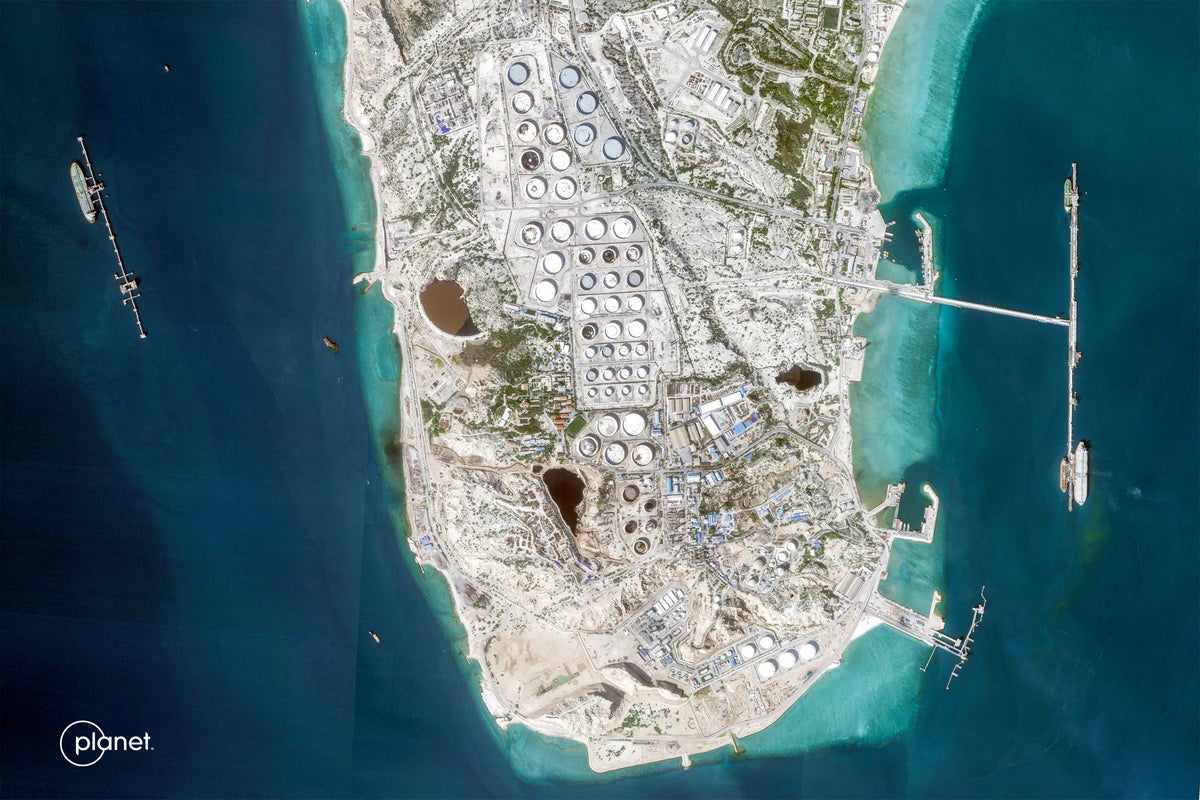
Recent U.S. airstrikes on Kharg Island, Iran’s primary oil export facility, highlight Trump's resolve to continue military operations. Iran's Supreme Leader Mojtaba Khamenei has vowed to maintain the closure of the Strait of Hormuz and has threatened to escalate attacks on neighboring nations.
The ongoing war has resulted in over 2,000 fatalities, predominantly in Iran, and has caused unprecedented disruptions in oil supply as maritime traffic through the Strait of Hormuz has come to a standstill, affecting a significant portion of global oil transport.
Oman, which previously facilitated dialogue before the outbreak of hostilities, has made several attempts to re-establish communication channels. However, sources indicate that the White House has shown little interest in pursuing these discussions.
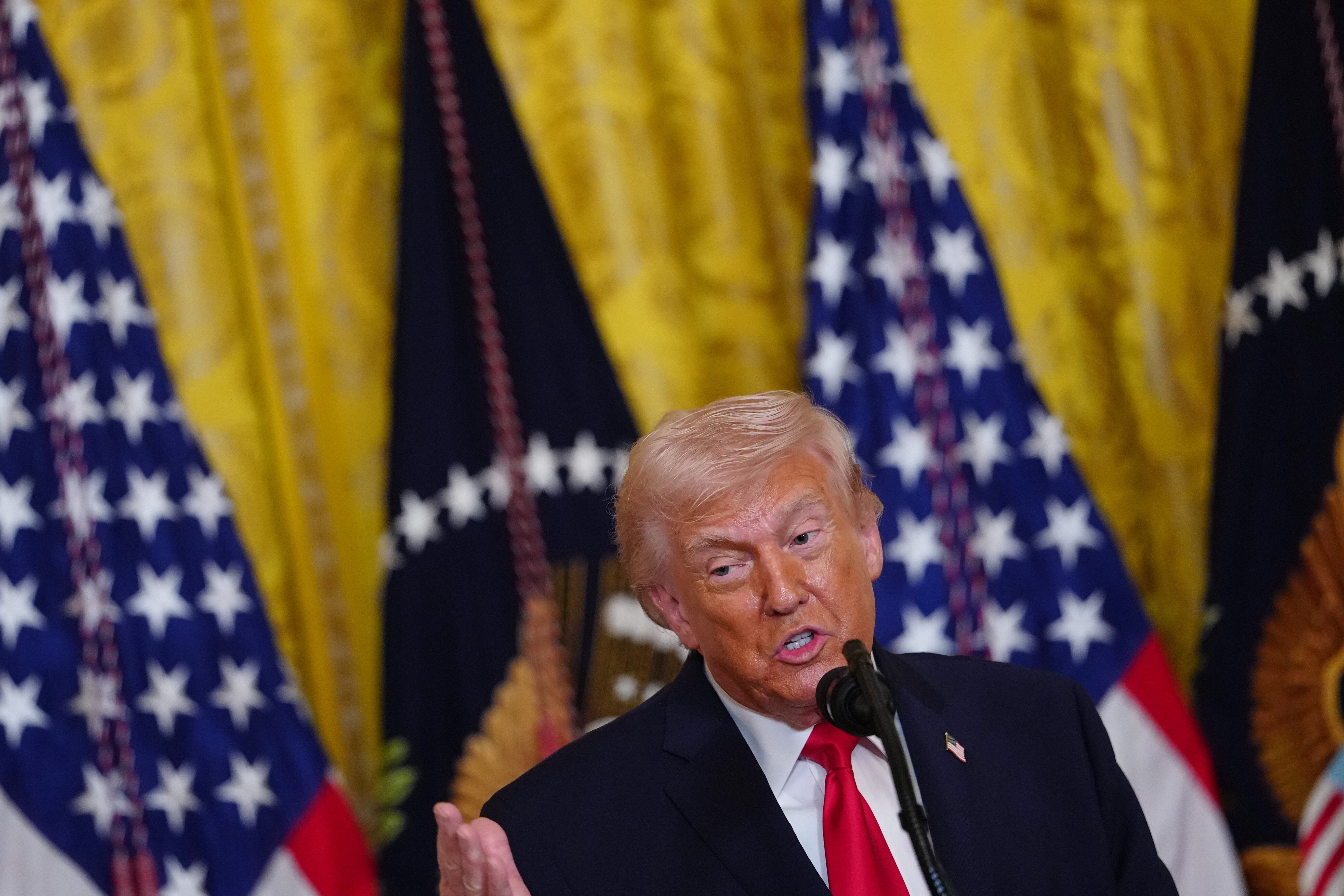
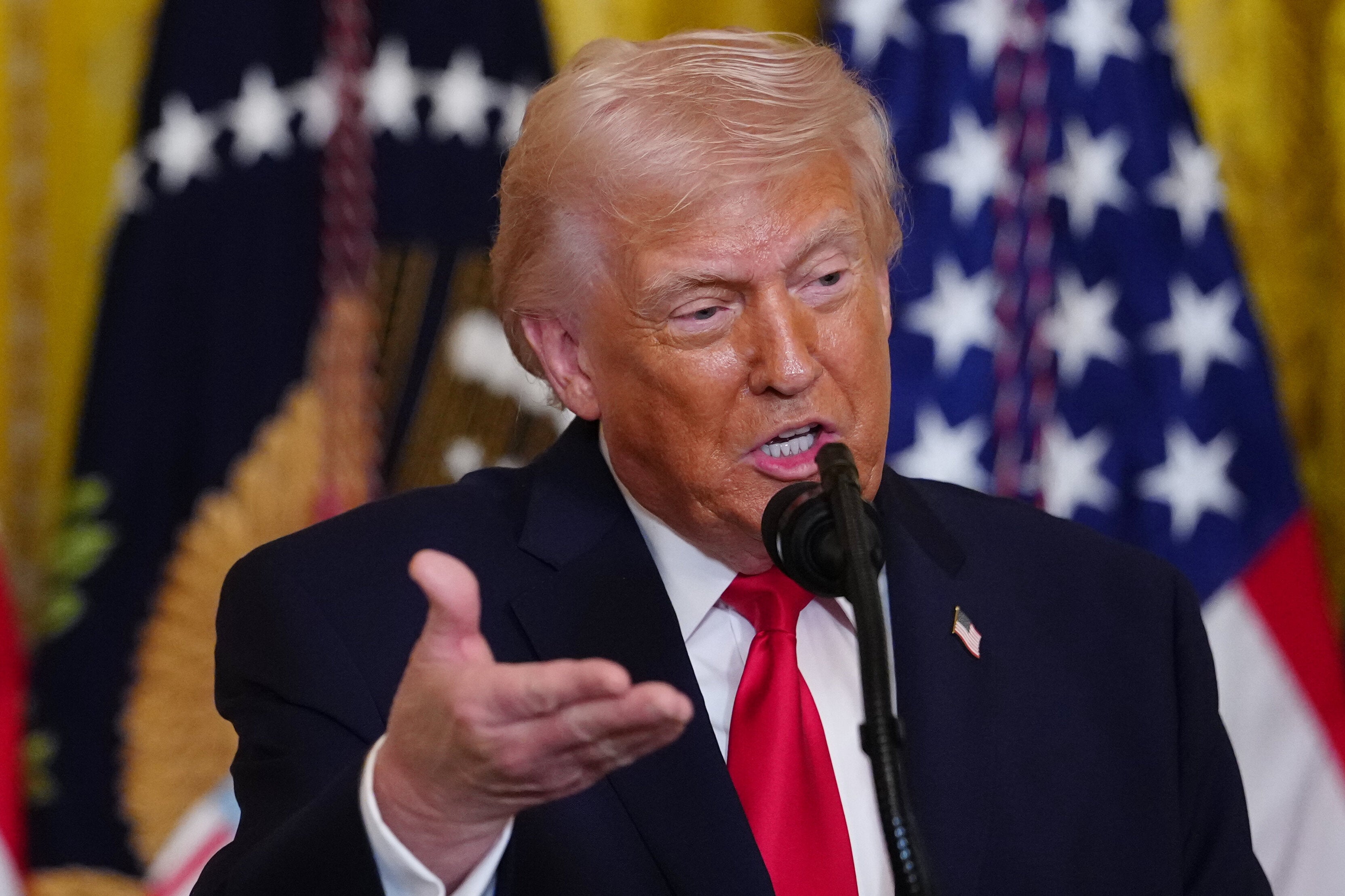
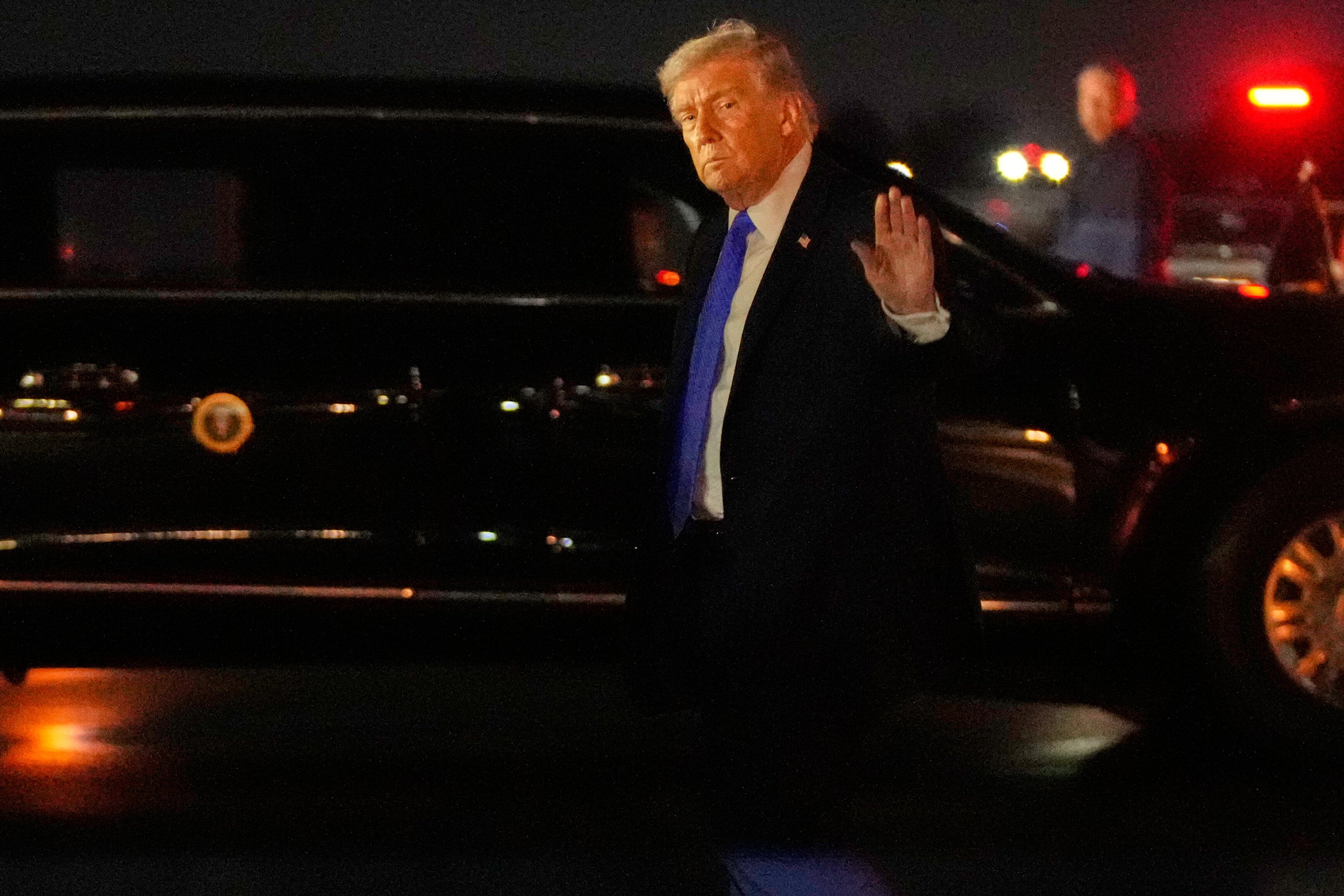
A senior official from the White House confirmed that Trump has dismissed these diplomatic overtures, emphasizing a focus on intensifying military efforts to diminish Iran's military strength.
“He’s not interested in that right now, and we’re going to continue with the mission unabated. Maybe there’s a day, but not right now,” the official stated.
During the initial week of conflict, Trump expressed on his Truth Social platform that Iran's leadership was severely weakened by U.S.-Israeli strikes and was eager for negotiations, but he declared it was “Too Late!” His history of abrupt shifts in foreign policy raises questions about potential future diplomatic engagements.
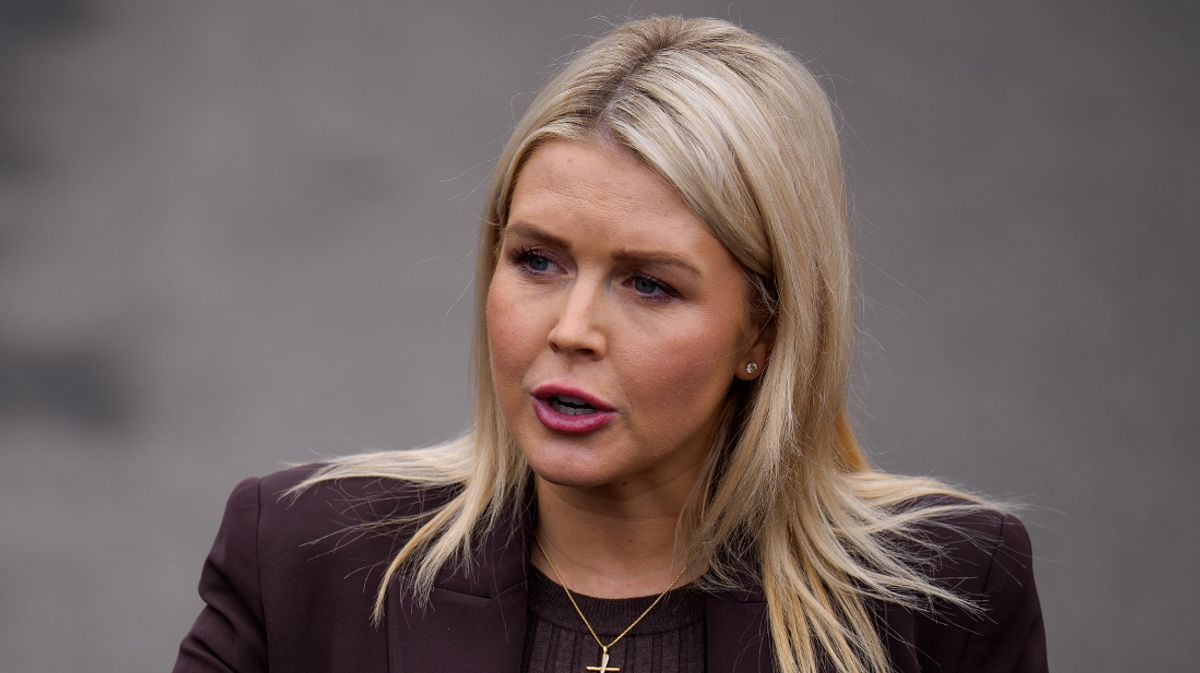
“President Trump mentioned that new potential leadership in Iran has indicated they want to talk and eventually will talk. For now, Operation Epic Fury continues unabated,” remarked another senior White House official when asked about the situation.
Iranian officials reiterated their stance against negotiations until U.S. and Israeli airstrikes cease and their demands are met, which include a permanent halt to attacks and compensation as part of any ceasefire agreement.
Egypt, previously involved in mediation efforts, has also sought to reopen lines of communication. While these attempts have not yielded significant progress, they have reportedly led to some military restraint from countries affected by Iranian actions.
Requests for comments from Egypt’s foreign ministry, the Omani government, and Iranian officials went unanswered.
The war's ramifications on global oil markets have significantly increased costs for the United States.
Some U.S. officials and advisors are advocating for a swift resolution to the conflict, cautioning that rising gasoline prices could pose a substantial political risk for Trump's Republican Party as midterm elections approach.
Conversely, others are urging Trump to sustain military pressure on Iran to dismantle its missile program and prevent nuclear armament.
Trump's dismissal of diplomatic initiatives suggests that the administration currently lacks plans for a rapid conclusion to hostilities.
Both the United States and Iran appear increasingly reluctant to engage in dialogue compared to the early days of the conflict when U.S. officials reached out to Oman for de-escalation discussions.
One source noted that Iran's top security official, Ali Larijani, along with Foreign Minister Abbas Araghchi, had sought Oman’s assistance for ceasefire talks involving U.S. Vice President JD Vance; however, these discussions have yet to materialize.
As tensions rise, Iran's position has become more rigid. “Whatever was communicated previously through diplomatic channels is irrelevant now,” stated a senior Iranian source.
“The Guards strongly believe that if they lose control over the Strait of Hormuz, Iran will lose the war,” the source added, referring to the Islamic Revolutionary Guard Corps, which wields significant influence over Iran's economy.
“Therefore, the Guards will not accept any ceasefire or diplomatic efforts despite attempts by several countries.”