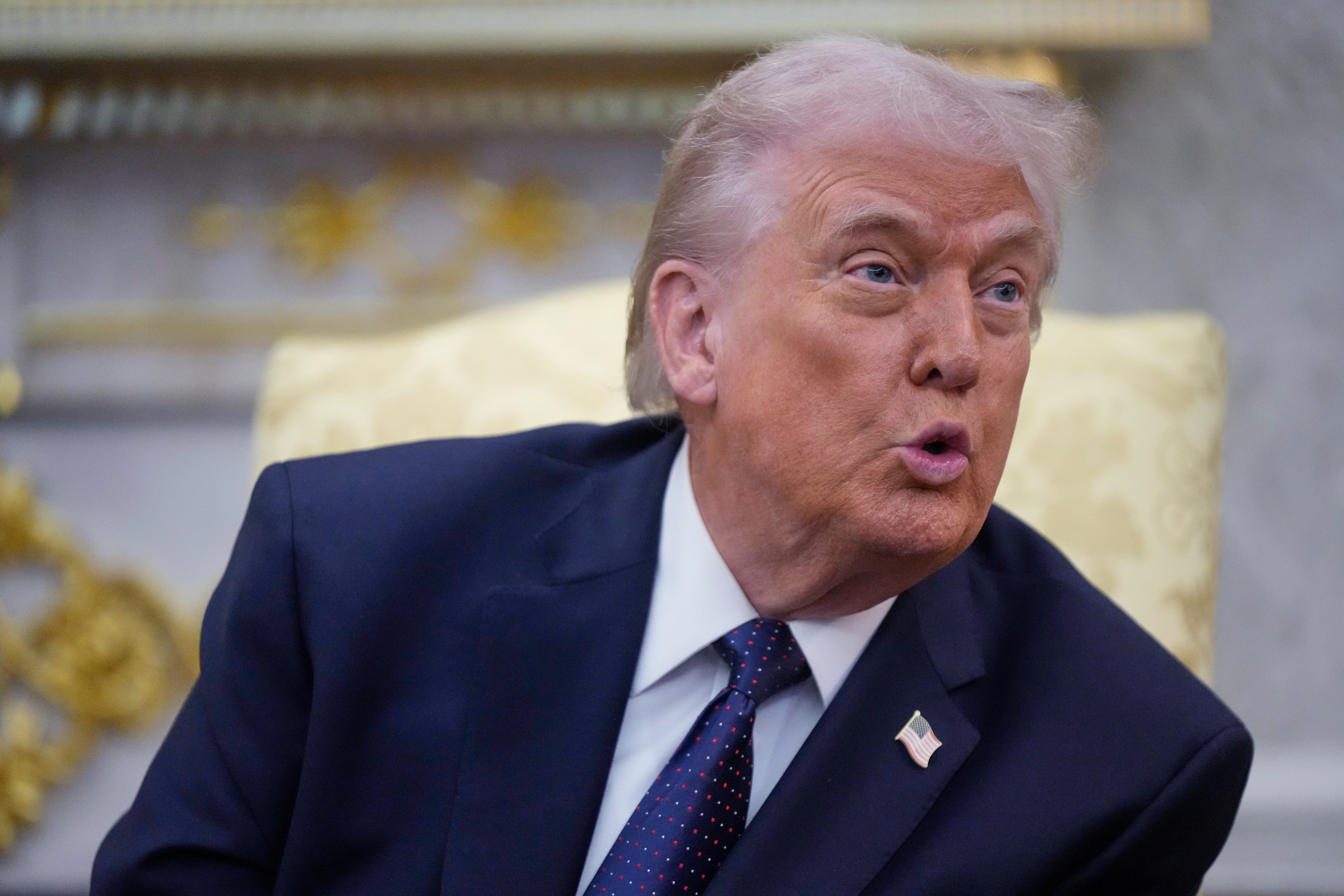




Trump Dismisses Iran Negotiations, Suggests Total Military Annihilation
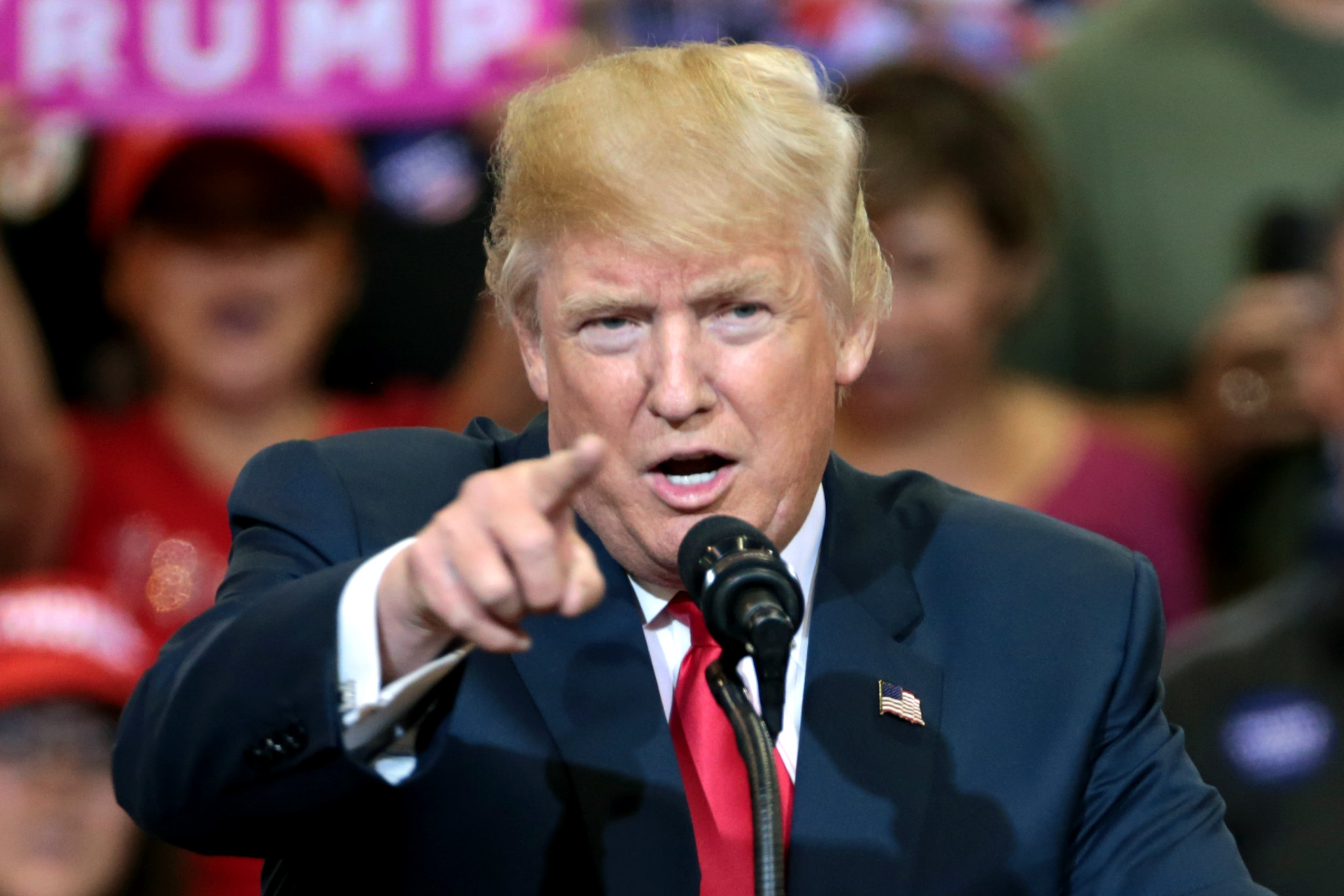
BEIRUT/MIAMI/TEL AVIV/DUBAI, March 8 - U.S. President Donald Trump firmly stated he has no intention of engaging in negotiations with Iran, suggesting that the ongoing conflict may only conclude when Tehran's military capabilities and leadership are entirely dismantled.
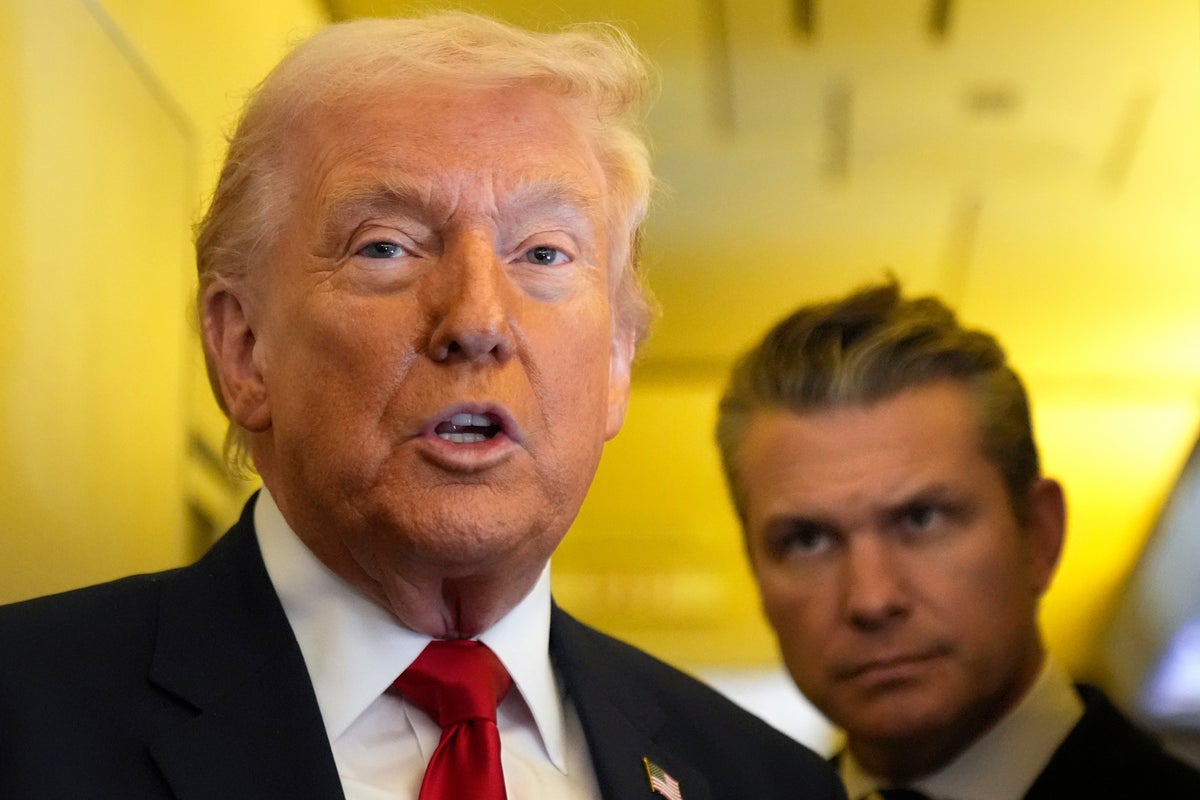
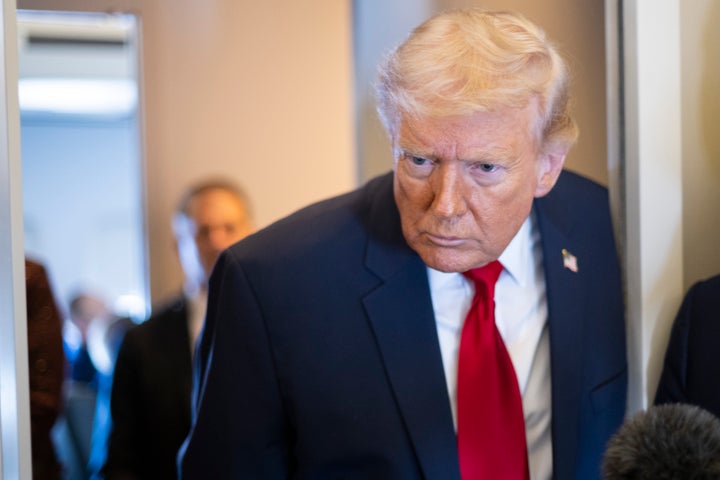
While addressing reporters aboard Air Force One, Trump articulated a stark vision: if all potential Iranian leaders were eliminated and the military incapacitated, negotiations would become irrelevant. “At some point, I don’t think there will be anybody left maybe to say ‘We surrender,’” he remarked.
As the U.S.-Israeli offensive against Iran entered its second week, tensions escalated with both Israel and Iran exchanging numerous attacks. Iranian President Masoud Pezeshkian extended an apology to neighboring nations affected by Iran's military actions, attempting to mitigate regional anger while facing backlash from hardliners within Iran.
“I personally apologize to neighboring countries that were affected by Iran’s actions,” Pezeshkian stated, urging them not to align with U.S.-Israeli operations against Iran. He dismissed Trump's call for unconditional surrender as “a dream,” yet noted that Iran's temporary leadership council had decided to halt attacks on nearby states unless provoked from their territories.
This statement stirred political reactions in Iran, prompting Pezeshkian's office to reaffirm that the military would respond decisively to any attacks originating from U.S. bases. Ali Larijani, secretary of the Supreme National Security Council, asserted on state television that there was no discord among Iranian officials regarding the war strategy.
Meanwhile, Saudi Arabia warned Tehran that continued assaults on its territory could provoke a reciprocal response. Reports indicated Iranian drone strikes in Saudi Arabia, Kuwait, and the United Arab Emirates over the weekend, causing varying degrees of damage but no fatalities. Additionally, Iranian Revolutionary Guards targeted U.S. forces stationed in Bahrain.
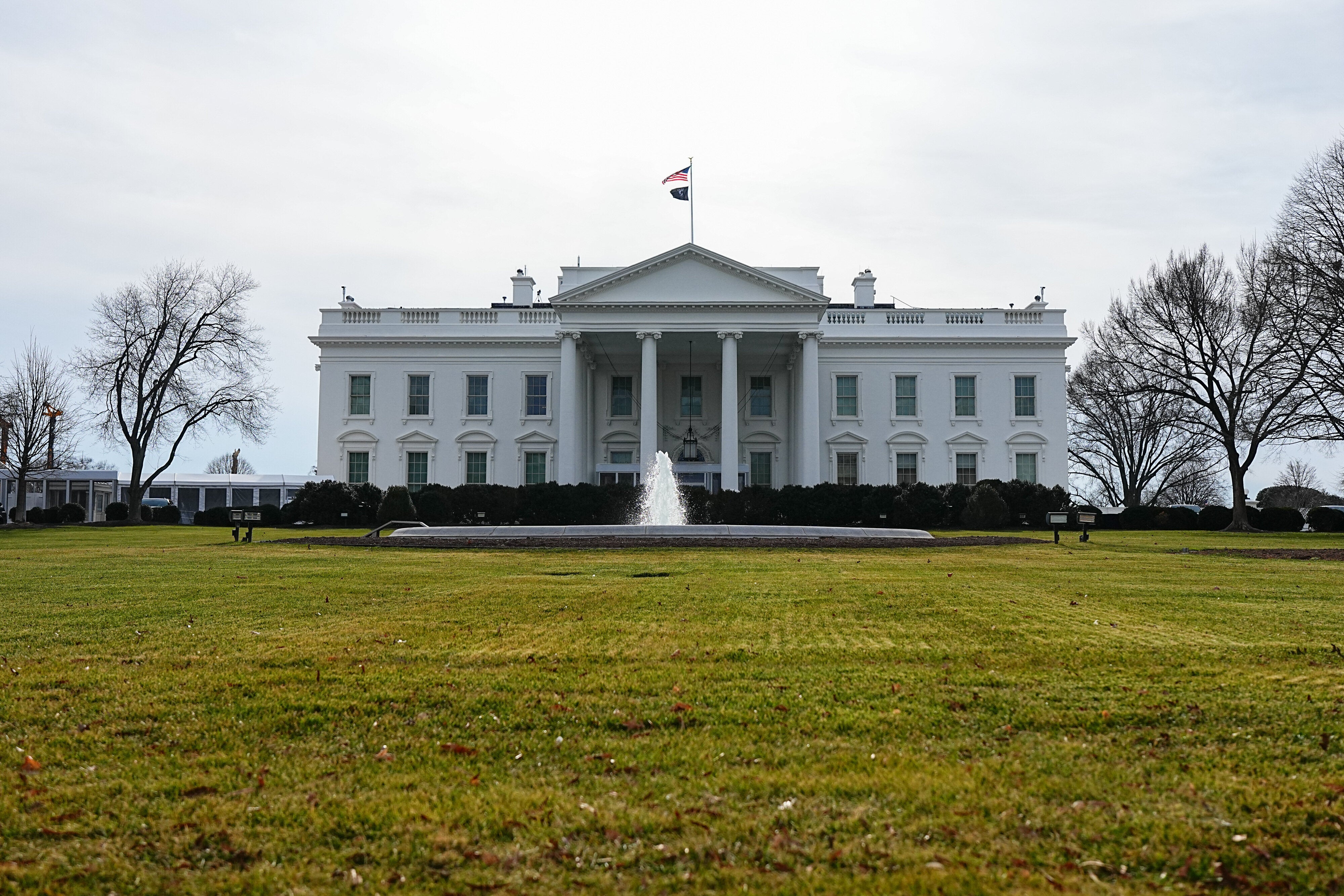
In the U.S., the White House temporarily suspended a federal security bulletin that would have alerted citizens to increased threats stemming from the conflict with Iran. However, a recent intelligence assessment indicated that Iran and its affiliates likely pose a risk of targeted attacks against American interests.
In Oslo, an explosion occurred at the U.S. embassy early Sunday, resulting in minor damage but no injuries. Eyewitnesses reported smoke rising from the embassy compound, though the cause of the blast remains unclear.
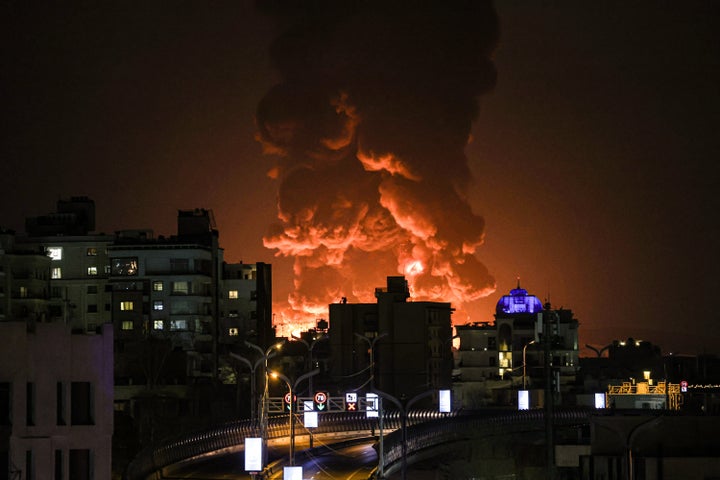
Reports from Tehran indicated significant explosions as Israel claimed responsibility for strikes on Iranian missile sites and command centers. The U.S.-Israeli operations have reportedly resulted in at least 1,332 civilian casualties in Iran, with thousands more injured, according to Iran’s U.N. ambassador.
U.S. officials suggested that an airstrike on an Iranian girls’ school, which resulted in numerous fatalities among children, was likely conducted by U.S. forces. Trump attributed the incident to Iranian inaccuracies in munitions without providing evidence. “We think it was done by Iran because they are very inaccurate as you know with their munitions,” he stated, while Defense Secretary Pete Hegseth confirmed that investigations were ongoing.
Iranian attacks have claimed ten lives in Israel, while at least six U.S. service members have died; their remains were returned to an Air Force base in Delaware on Saturday.
Local news agencies in Iran reported strikes on fuel depots in three areas, including Karaj, west of Tehran. In retaliation for the U.S.-Israeli offensive, Tehran has targeted Israel and Gulf states hosting U.S. military installations. Israel has intensified its operations in Lebanon following cross-border fire from Hezbollah.
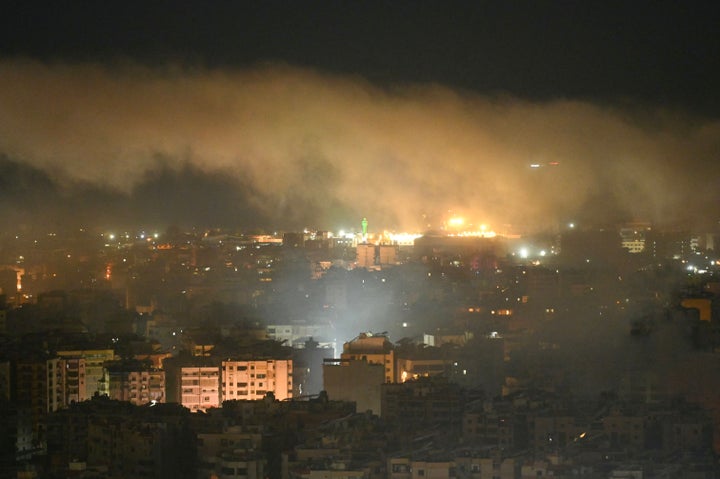
As the conflict escalates, Israel issued a stern warning to Lebanon regarding Hezbollah militants, threatening severe consequences if they do not restrain their actions. Recent airstrikes have devastated parts of Beirut controlled by Hezbollah.
The death toll from Israeli strikes in Lebanon has surged to approximately 300 since hostilities resumed last week, with recent attacks hitting central Beirut for the first time since the escalation began.
This strategy of chaos from Iran has significantly impacted global markets, driving up energy prices and disrupting international business operations. Kuwait’s national oil company announced output cuts on Saturday, joining similar reductions from Iraq and Qatar.
The ongoing war has led to soaring oil prices as the Strait of Hormuz faces effective closure. Hardline clerics in Iran have called for a swift selection of a new supreme leader amid these developments, with meetings anticipated as soon as Sunday.