Trump Issues Ultimatum for Iran's Total Surrender, Unveils New Slogan
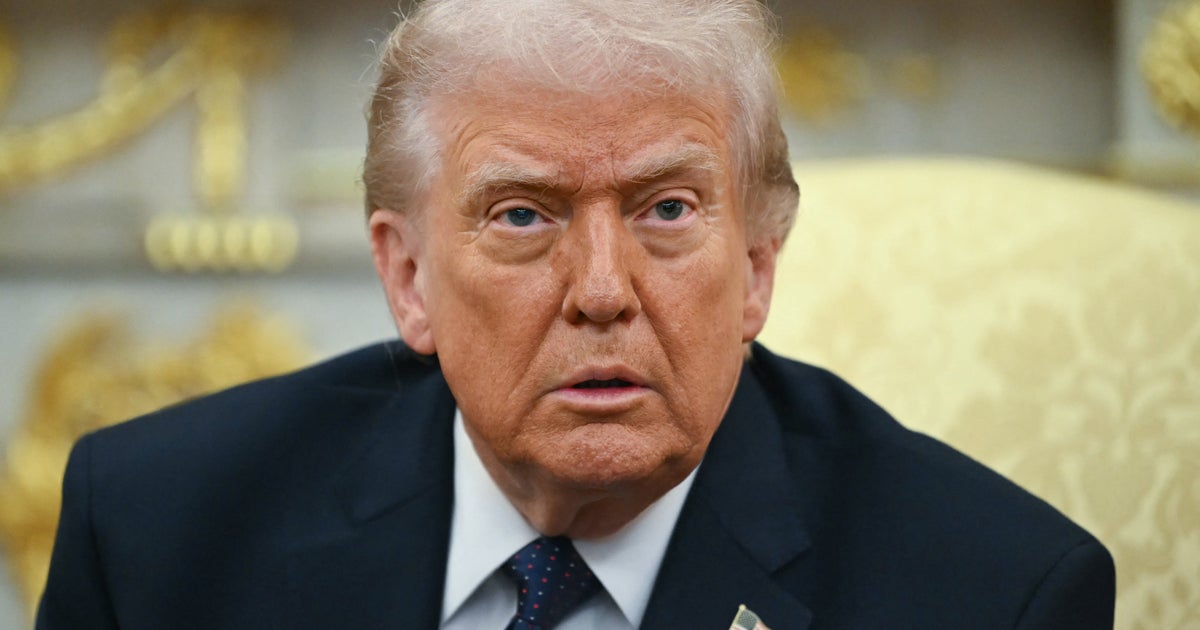
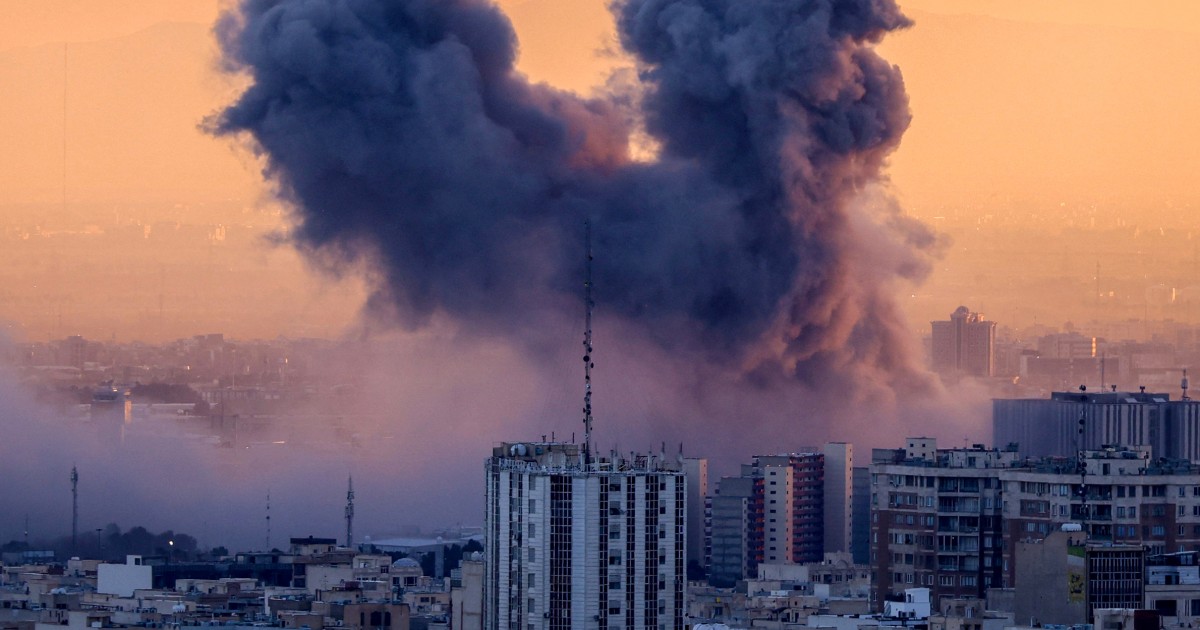
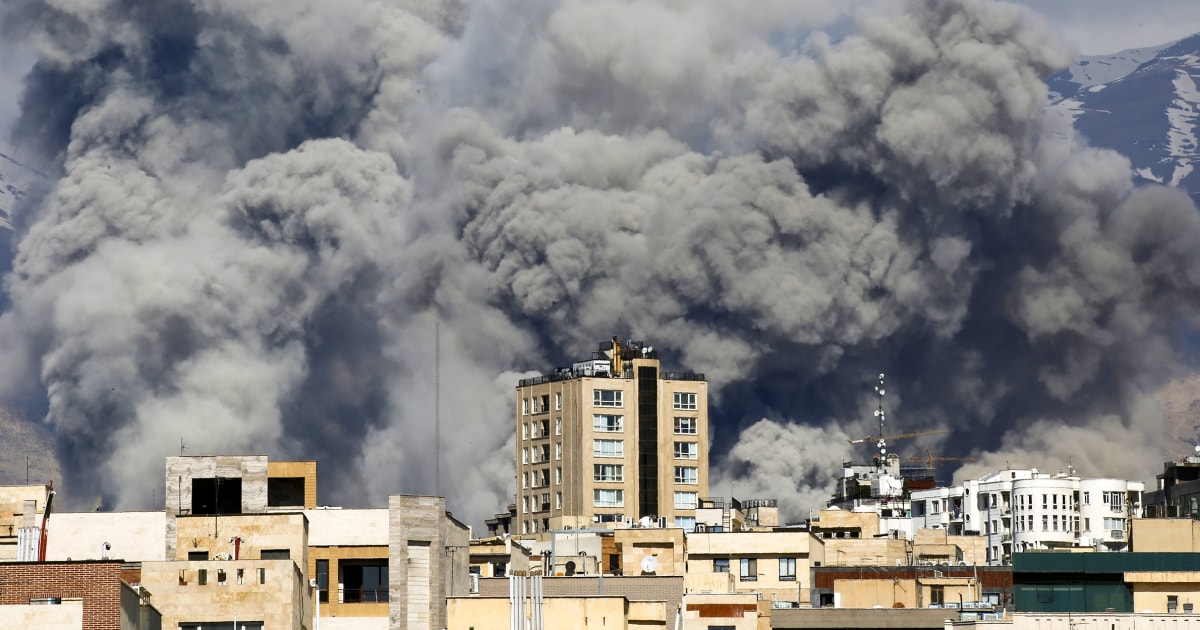
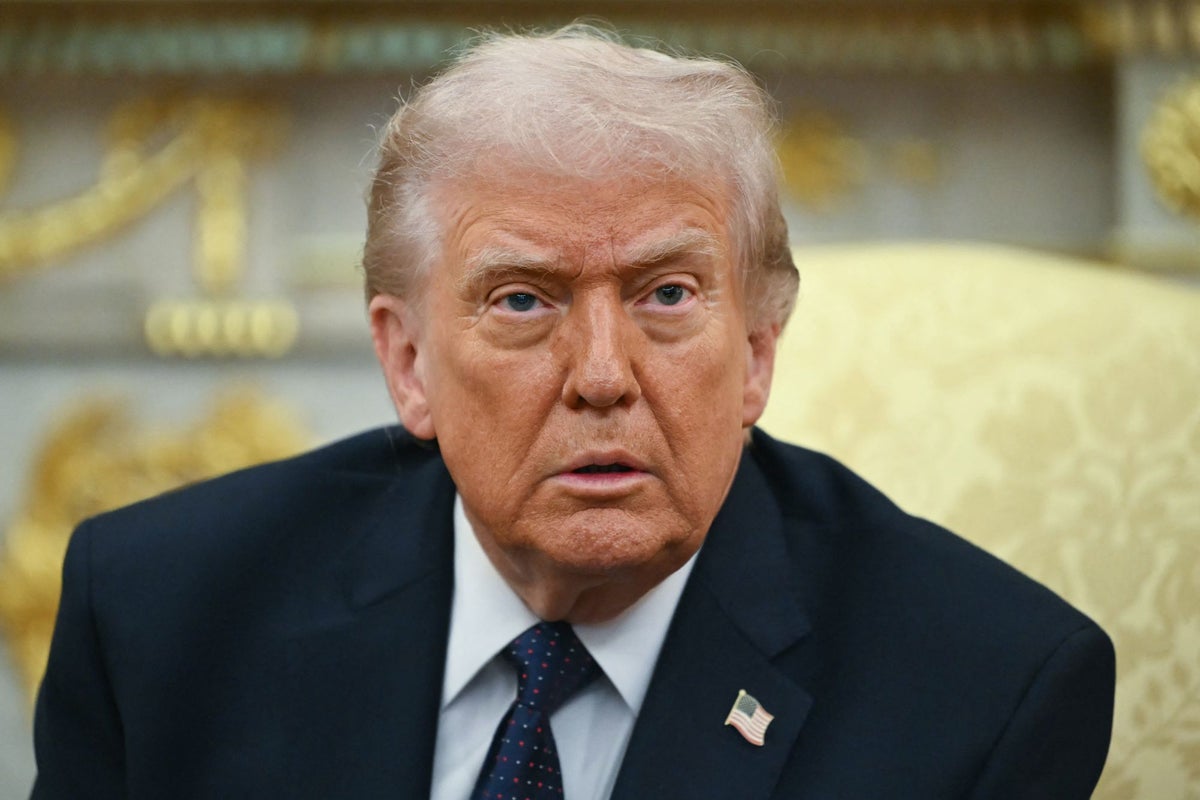
President Trump declared on Friday that the United States would not entertain any negotiations with Iran unless they agree to “unconditional surrender.” This statement comes as the U.S. and Israel continue their bombing campaign against the Islamic Republic, now in its seventh day.
On his Truth Social platform, Trump emphasized, “There will be no deal with Iran except UNCONDITIONAL SURRENDER,” while insisting on the need for a “GREAT [and] ACCEPTABLE” leader to succeed Ayatollah Ali Khamenei, who was reportedly killed in an Israeli airstrike at the onset of the conflict.
Once these conditions are met, Trump asserted that the U.S. and its “wonderful and very brave allies” would “work tirelessly” to rebuild Iran’s economy, claiming it could emerge “bigger, better, and stronger than ever before.”
“IRAN WILL HAVE A GREAT FUTURE. MAKE IRAN GREAT AGAIN (MIGA!),” he proclaimed, echoing his famous campaign slogan while also appealing to supporters like Senator Lindsey Graham.
Trump’s ultimatum mirrors historical demands made to Japan during World War II, specifically at the Potsdam Conference in July 1945, where Allied forces called for Japan’s unconditional surrender. The stakes were high then, with threats of “prompt and utter destruction” looming over non-compliance.
However, the current U.S. military strategy against Iran has been limited to airstrikes, raising questions about how Iranian officials might respond to a call for “unconditional surrender.”
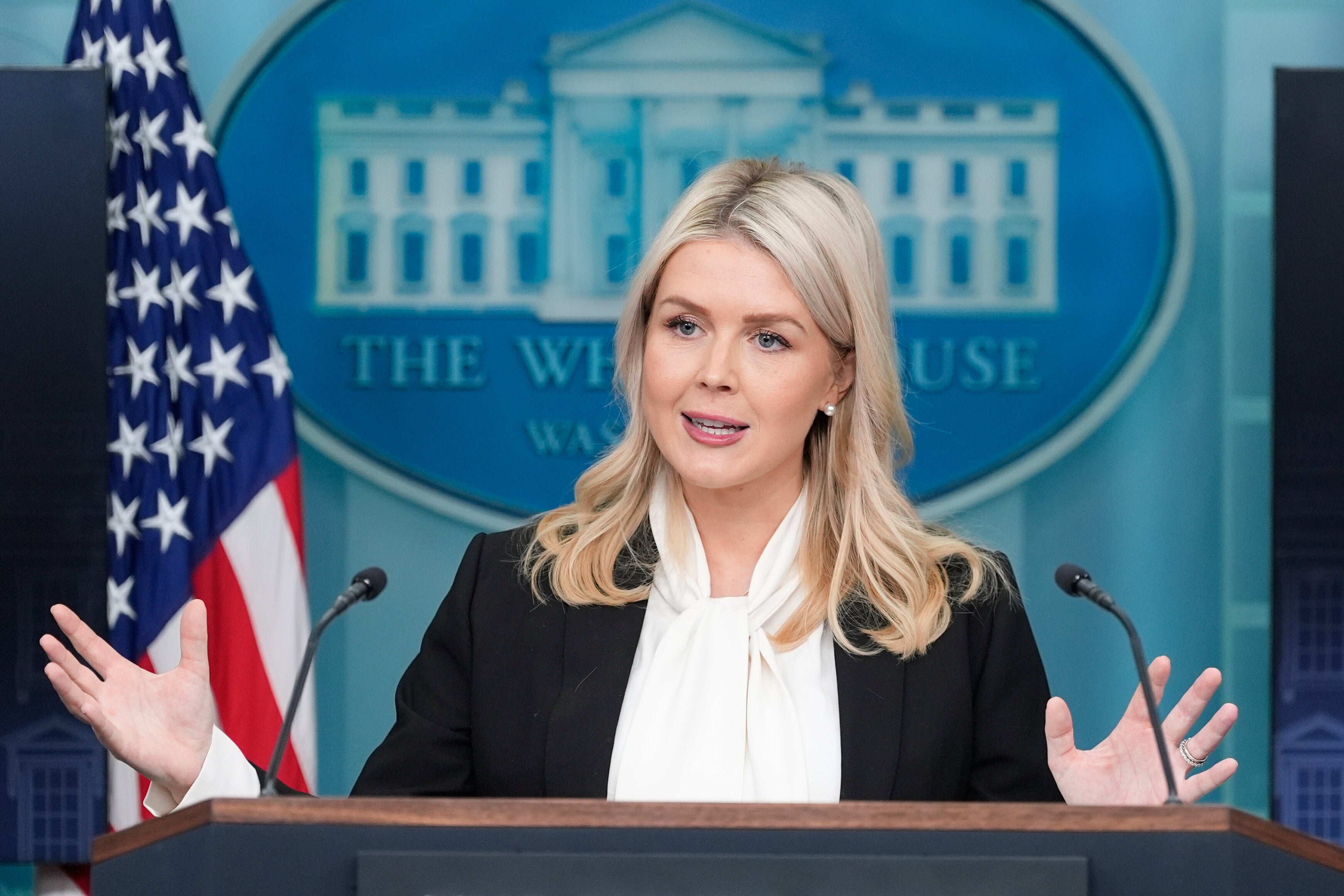
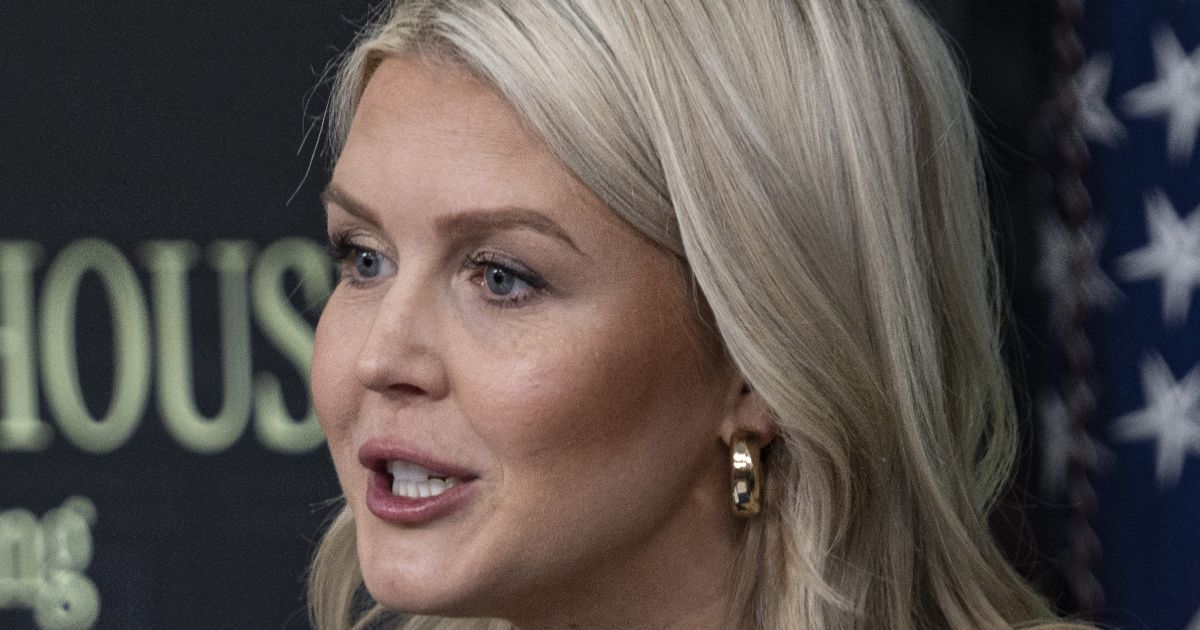
When asked for clarification on what “unconditional” meant, White House Press Secretary Karoline Leavitt suggested that Trump would determine when Iran had surrendered based on the effectiveness of the air campaign against its military capabilities.
Trump’s social media remarks followed his assertion that U.S. and Israeli forces have been “totally demolishing the enemy far ahead of schedule,” with an air campaign that could extend for weeks or even months.
He also expressed a desire to influence the selection of Iran’s next leader, as the Assembly of Experts has yet to appoint a successor to Khamenei. The frontrunner is Mojtaba Khamenei, the late leader’s son, who is viewed as a hardliner with strong ties to Iran’s Revolutionary Guard Corps.
In an interview, Trump dismissed Mojtaba as a “lightweight” and labeled him “unacceptable,” advocating for a leader who would foster peace in Iran, similar to how Venezuela appointed Vice President Delcy Rodriguez with U.S. input after American forces captured former president Nicolas Maduro earlier this year.
“They are wasting their time. Khamenei’s son is a lightweight. I have to be involved in the appointment,” Trump stated.
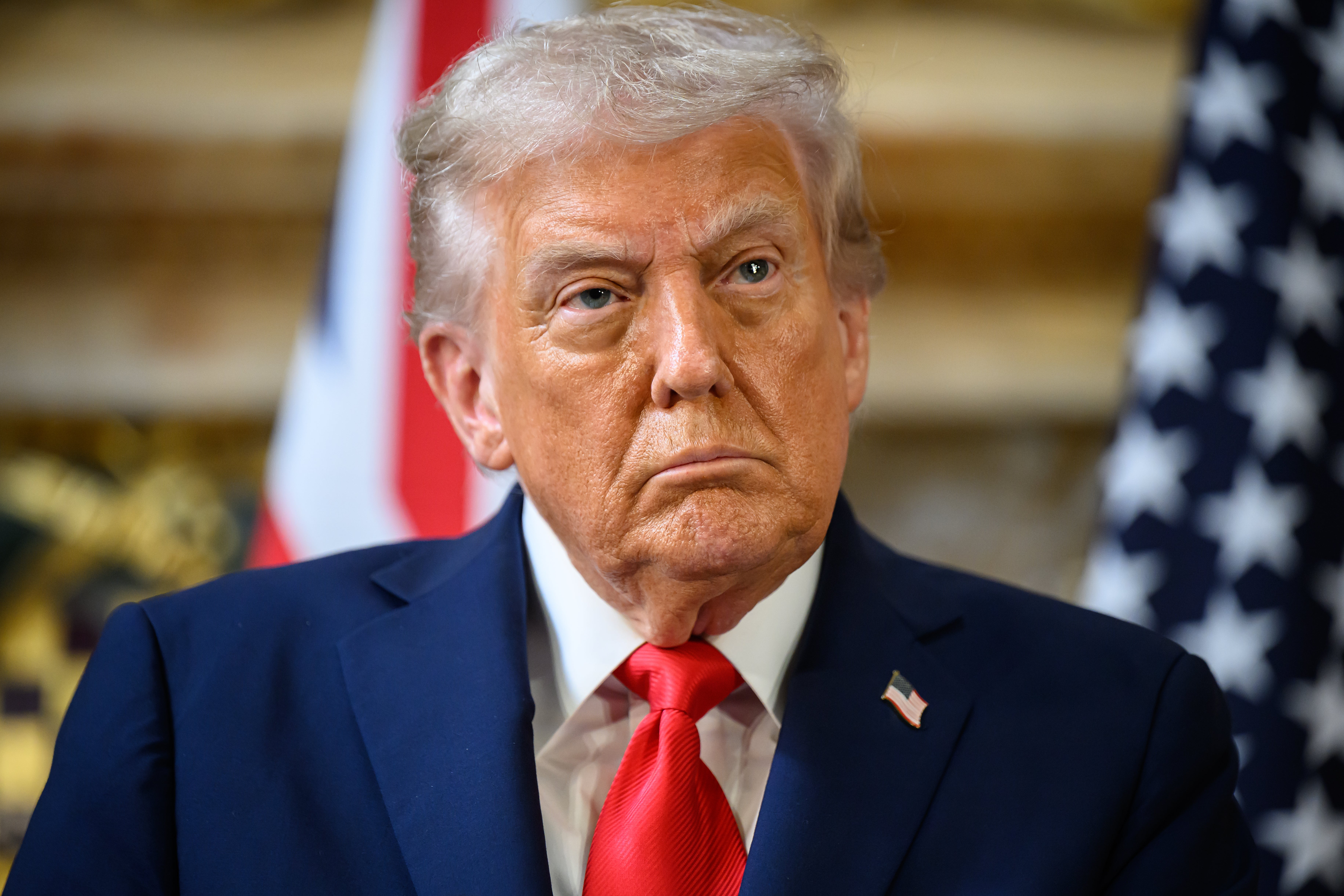
He further elaborated to Reuters that he wants a say in choosing Iran’s future leader to avoid repeated interventions every few years.
Yet Trump lamented that many potential leaders he had considered are now deceased due to the ongoing military actions. “Most of the people we had in mind are dead,” he remarked, indicating a need for new candidates amidst the chaos.
According to Iranian state media, over 1,000 individuals have died since the commencement of what the Trump administration has termed “Operation Epic Fury.” In retaliation, Iran has launched strikes across 14 countries, escalating tensions in the Middle East and causing a surge in global oil prices.
Trump outlined four primary objectives for the conflict: dismantling Iran’s missile capabilities, destroying its navy, preventing nuclear armament, and halting support for terrorist organizations.
However, explanations from his administration regarding the rationale behind the attacks have varied significantly over the past week. Initially framed as a preemptive measure against Iran’s nuclear ambitions, Secretary of State Marco Rubio later indicated that the strikes aimed to weaken Tehran’s capacity to retaliate against U.S. bases following an Israeli attack.
Contradicting this narrative, Trump suggested that Israel was poised to strike first and that he acted to prevent that scenario. “Based on how negotiations were going, I think they were going to attack first,” he said.
White House Press Secretary Leavitt reiterated that Trump’s decision was based on a “feeling grounded in fact” that Iran posed an imminent threat to U.S. interests.
“The president was not going to be just another president who stood by and passed this direct threat to the next administration,” she stated, defending the shifting justifications for military action.