

Trump Official Claims 'Triumph' in Iran — Yet Troop Deployment Remains Possible
The U.S. Ambassador to the United Nations has indicated that troop deployment to Iran remains a possibility, despite recent assertions of a “dominant victory” in the ongoing conflict. This statement comes as military operations continue to unfold.
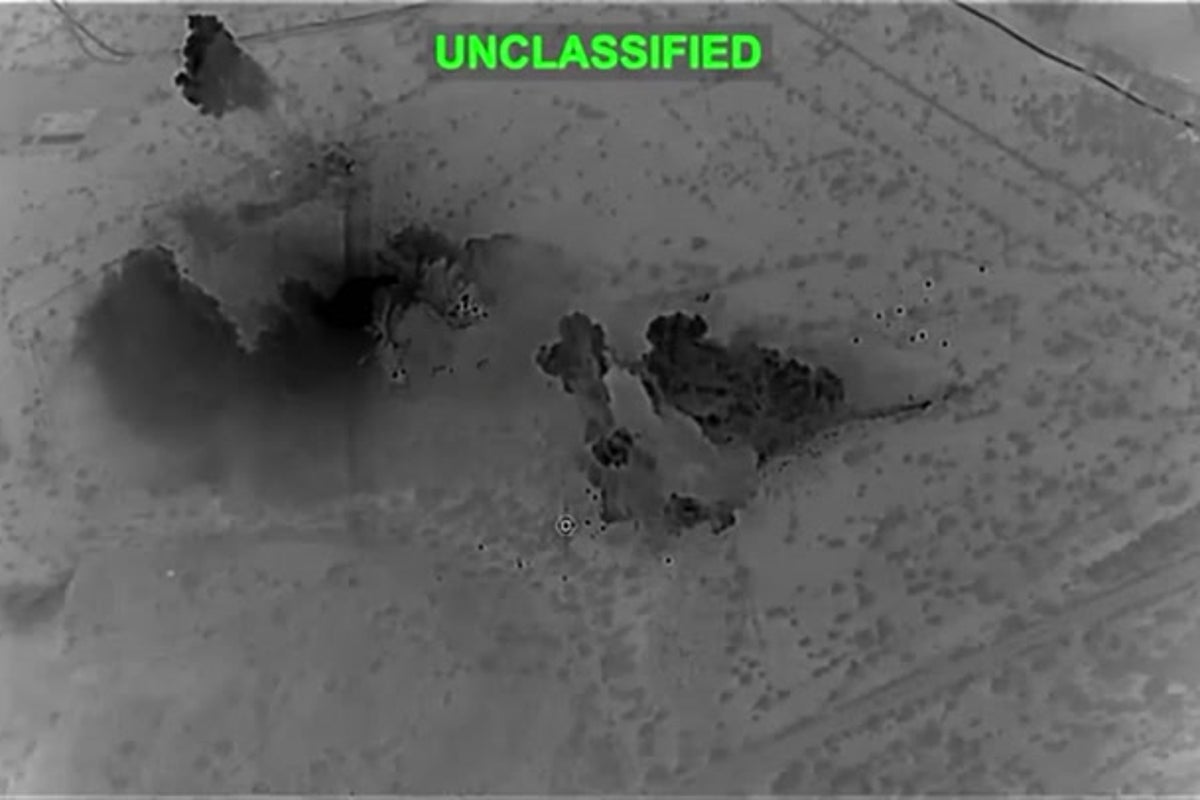
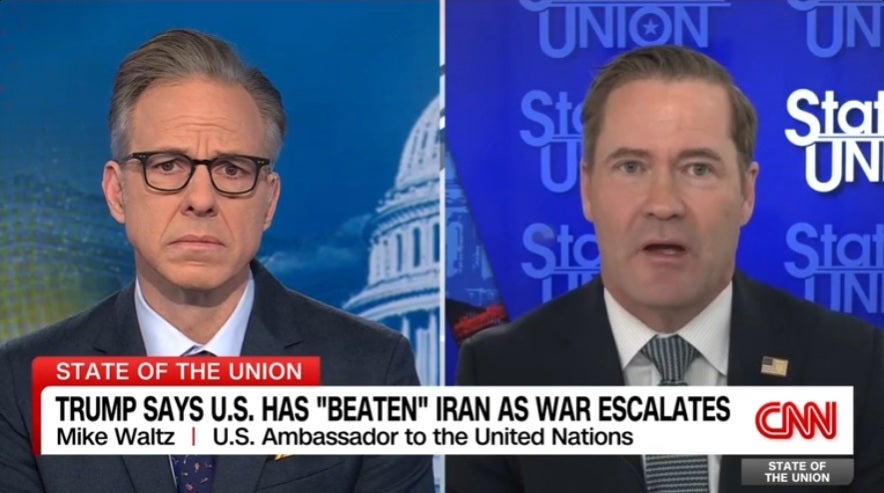
Mike Waltz, former national security adviser under Trump, spoke with CNN’s Jake Tapper, asserting that the U.S. has “decimated” Iran’s military capabilities across various domains, including naval and aerial forces. “This has been a dominant victory the likes of which we haven't seen in modern American military history,” he stated emphatically.
When pressed about the war's conclusion, Waltz deferred to presidential discretion, emphasizing that it is ultimately up to the commander-in-chief to determine the timing and terms for ending hostilities. “The important point here is, the United States has never been in such a position of strength and the Iranian regime has never been in such a position of weakness,” he added.
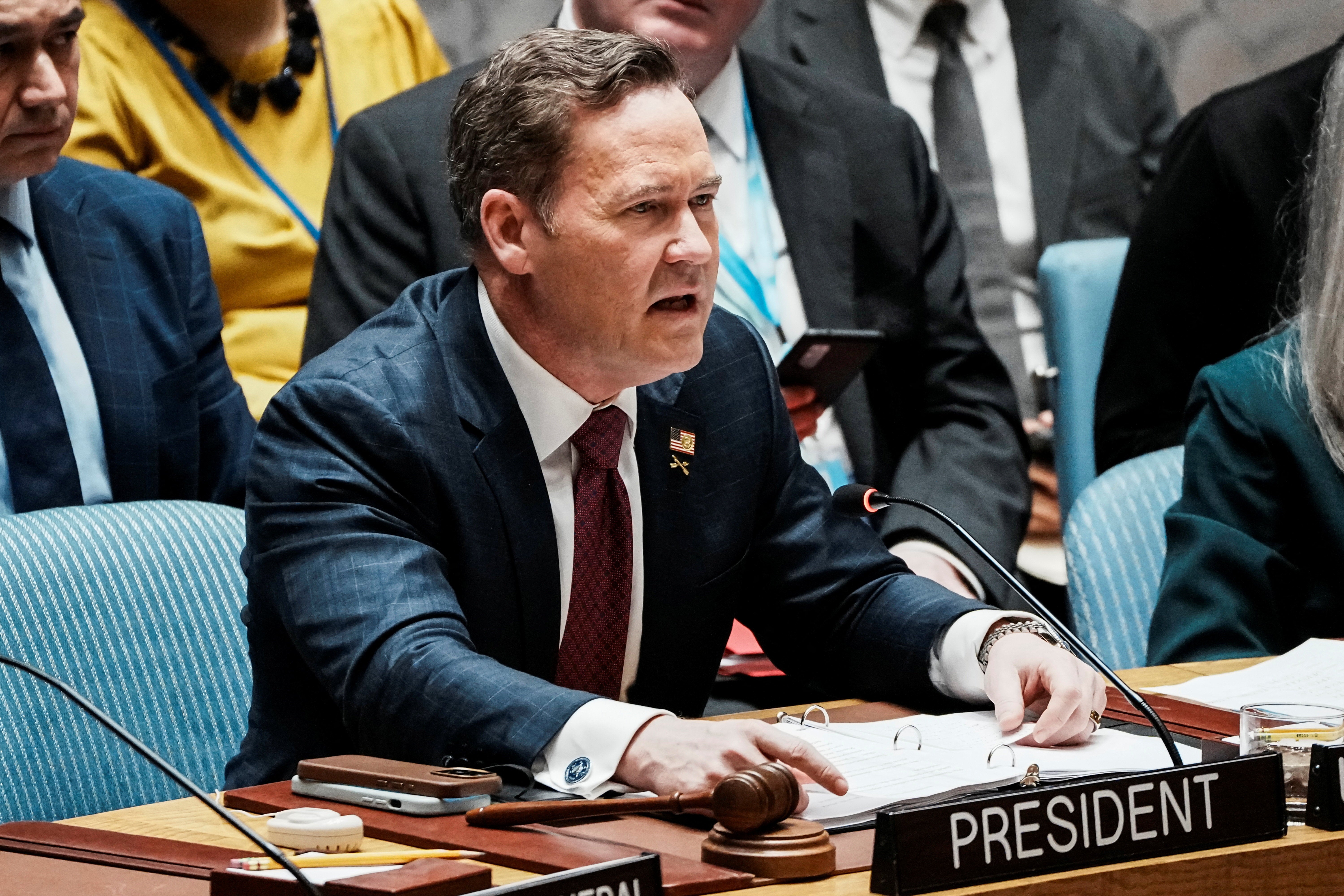
In a separate interview, Energy Secretary Chris Wright suggested that the conflict could potentially wrap up within “weeks,” rather than dragging on for months. This timeline raises questions about the administration's strategy moving forward.
Waltz reiterated a politically sensitive point for Republicans: the potential necessity of deploying troops to meet military objectives. Despite polling indicating unpopularity regarding Trump’s approach to Iran, party members have not dismissed the idea of ground forces being sent.
“This isn’t going to be another 2003 Iraq,” Waltz assured Fox News viewers, clarifying that there would not be “hundreds of thousands of troops occupying urban areas somewhere; certainly not Tehran.” However, he acknowledged that if a “targeted” strike required ground troops, he was “confident” the Pentagon would present that option to the president.
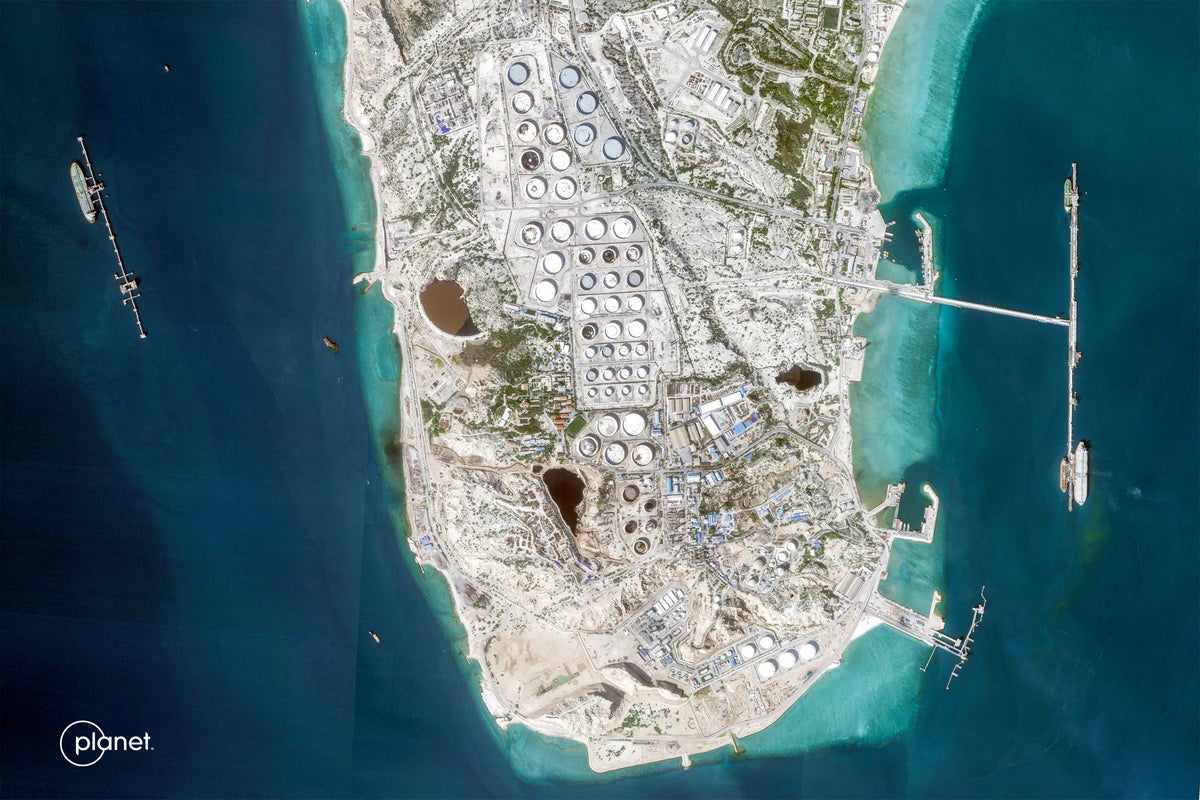
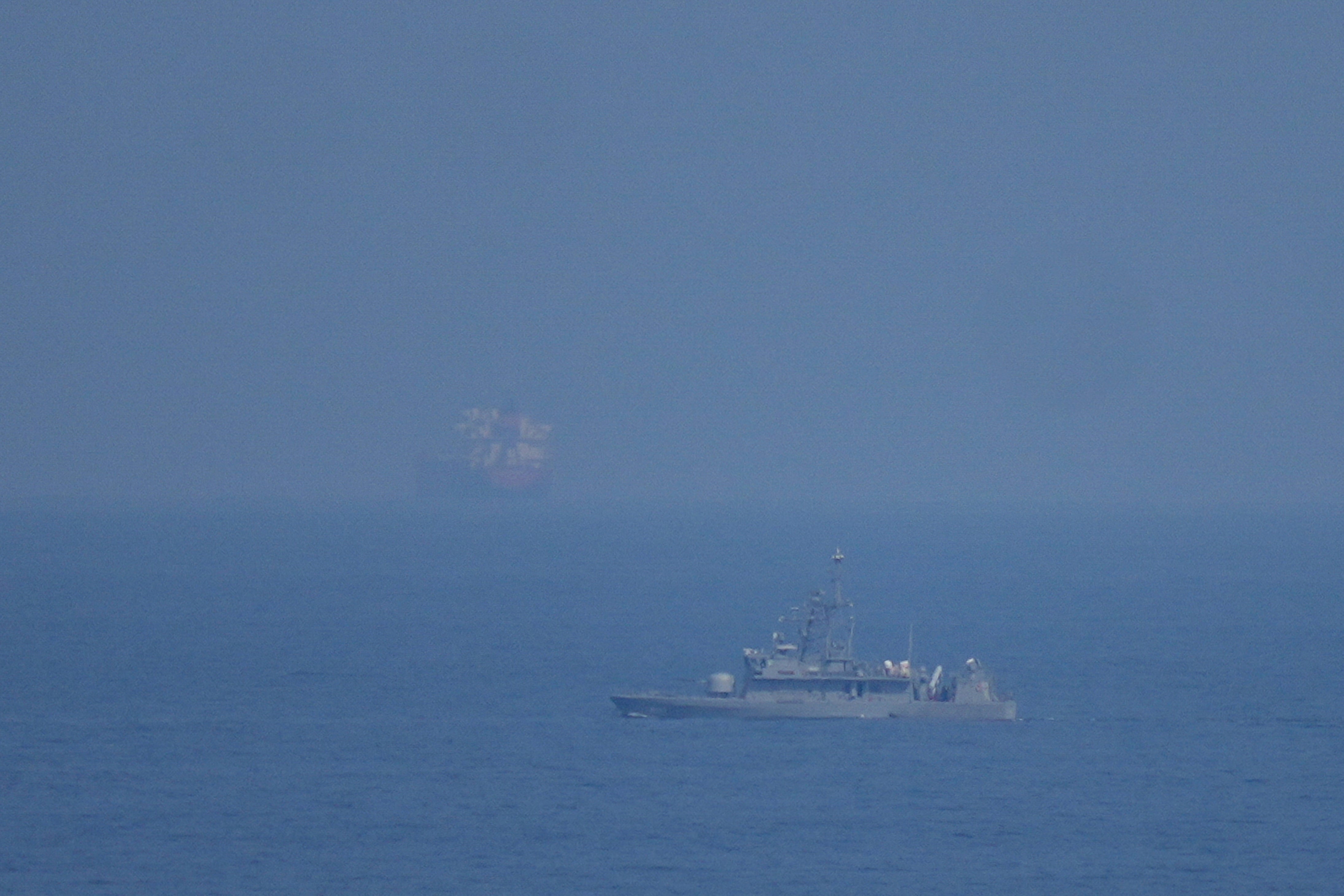
Conversations regarding reopening the vital Strait of Hormuz, a crucial oil shipping route currently obstructed by Iranian minelayers, are ongoing. Waltz noted that the U.S. is actively seeking support from allies but has yet to form a significant international coalition for securing commercial vessels in the strait.
The blockade has resulted in soaring oil prices, surpassing $100 a barrel, while U.S. gasoline prices have surged nearly a dollar per gallon since the conflict began. “We certainly welcome, encourage, and even demand their participation to help their own economies,” Waltz remarked, leaving diplomatic discussions to Trump.
Despite inquiries, Waltz could not identify any nations committed to escorting oil tankers through the strait. Reports suggest that vessels linked to Iran and China continue to navigate these waters amid ongoing hostilities.
The impact on U.S. gas prices and widespread disapproval of military engagement have raised alarms among lawmakers as midterm elections approach. Republicans are looking to Trump for support in maintaining their congressional majorities despite his declining approval ratings.
As of now, there are no signs of resolution in the Middle East conflict. The U.S. has struggled to reopen the Strait of Hormuz or mitigate escalating missile and drone attacks throughout the region.
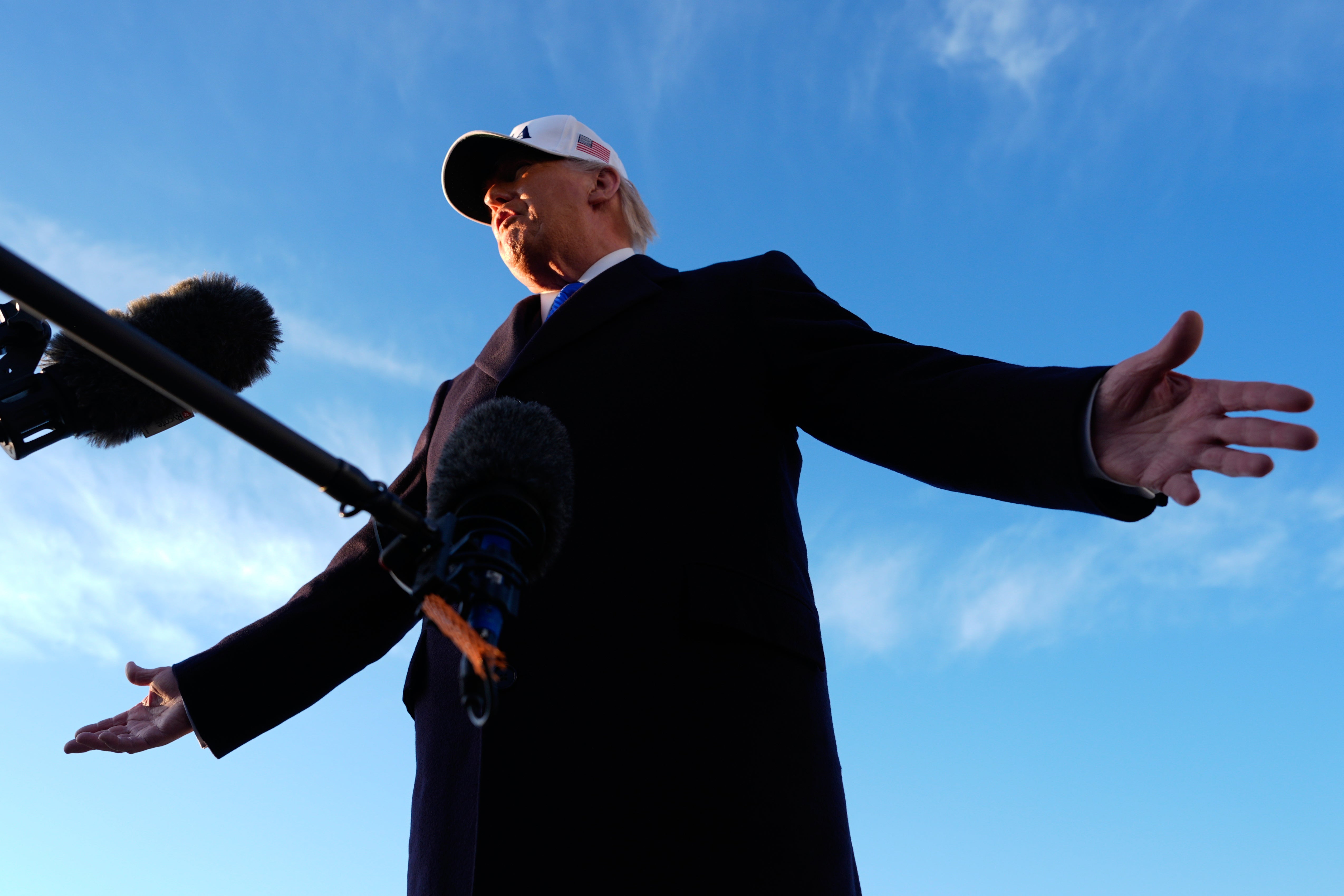
U.S. casualty figures continue to rise, exacerbated by a recent crash of a refueling aircraft in friendly airspace. Trump stated on Saturday that he is not prepared to negotiate a peace agreement with Iran’s remaining leadership, claiming, “Iran wants to make a deal, and I don’t want to make it because the terms aren’t good enough yet.”
In response, Iran’s foreign minister Abbas Araghchi refuted Trump’s assertions and vowed that his country would persist in its fight.