

Trump Prolongs Iran Ceasefire Indefinitely Amid Ongoing Negotiations
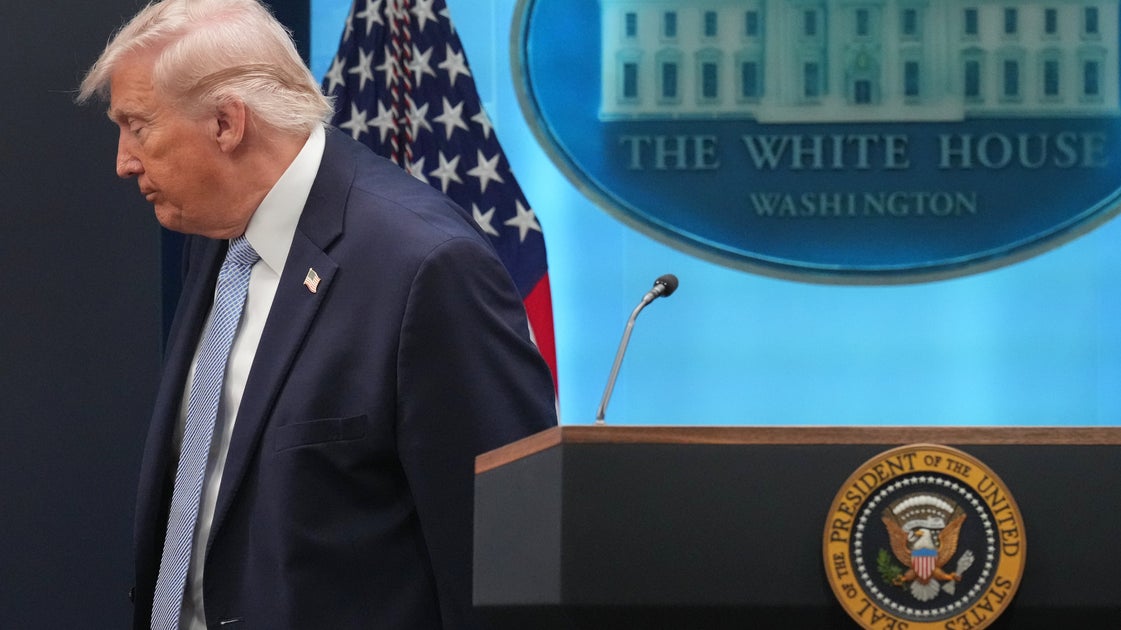
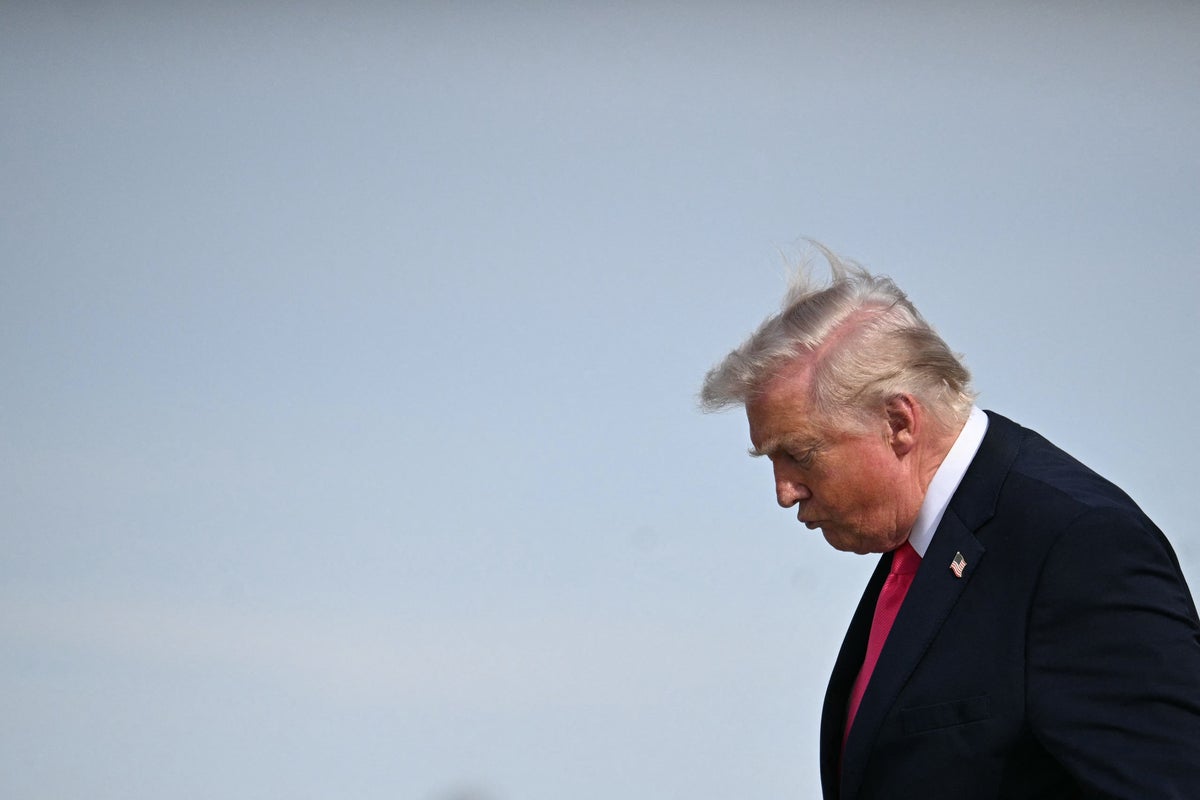
Washington — President Trump declared an indefinite extension of the ceasefire with Iran on Tuesday, stating that it will remain in effect until negotiations between the U.S. and Iran reach a conclusion. This announcement comes despite his earlier assertions that he would not prolong the ceasefire.
The president attributed the extension to a request from Pakistan, pointing to Iran's "seriously fractured" government as a reason for the ongoing delays in talks. He emphasized the need for Iranian officials to present a "unified proposal" before any further actions are taken.
"I have therefore directed our Military to continue the Blockade and, in all other respects, remain ready and able, and will therefore extend the Ceasefire until such time as their proposal is submitted, and discussions are concluded, one way or the other," Trump posted on Truth Social.
As of now, Iran has not issued a public response to the extension of the ceasefire. Originally set to expire Tuesday night, the ceasefire was expected to end Wednesday evening, according to Trump. He had previously indicated that he was not inclined to extend the deadline and that military operations would resume following the ceasefire's conclusion.
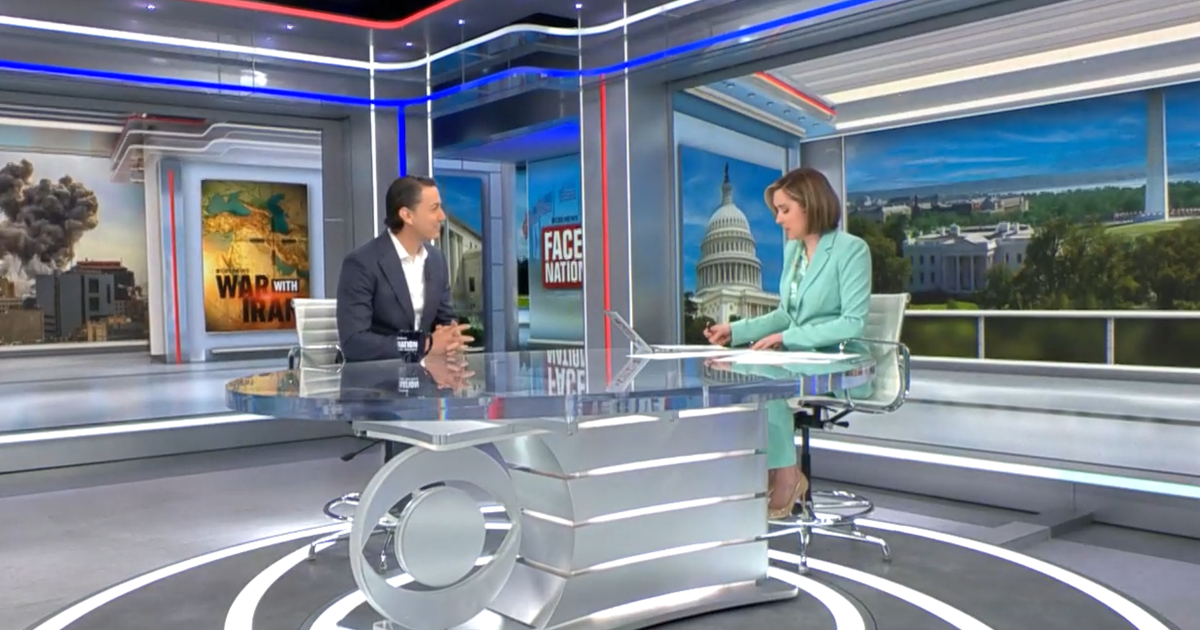
When questioned on CNBC about the possibility of continuing the ceasefire if negotiations progressed positively, Trump replied, "I don't want to do that. We don't have that much time." He further stated, "Well, I expect to be bombing, because I think that's a better attitude to go in with," indicating a readiness for military action.
The ceasefire, established two weeks ago, was intended to halt hostilities and provide both sides with additional time for negotiations. However, senior-level discussions have stalled following an initial meeting between U.S. and Iranian representatives in Islamabad, which dashed hopes for more comprehensive negotiations. Following this meeting, Trump accused Iran of failing to agree on a nuclear deal that he deemed acceptable.
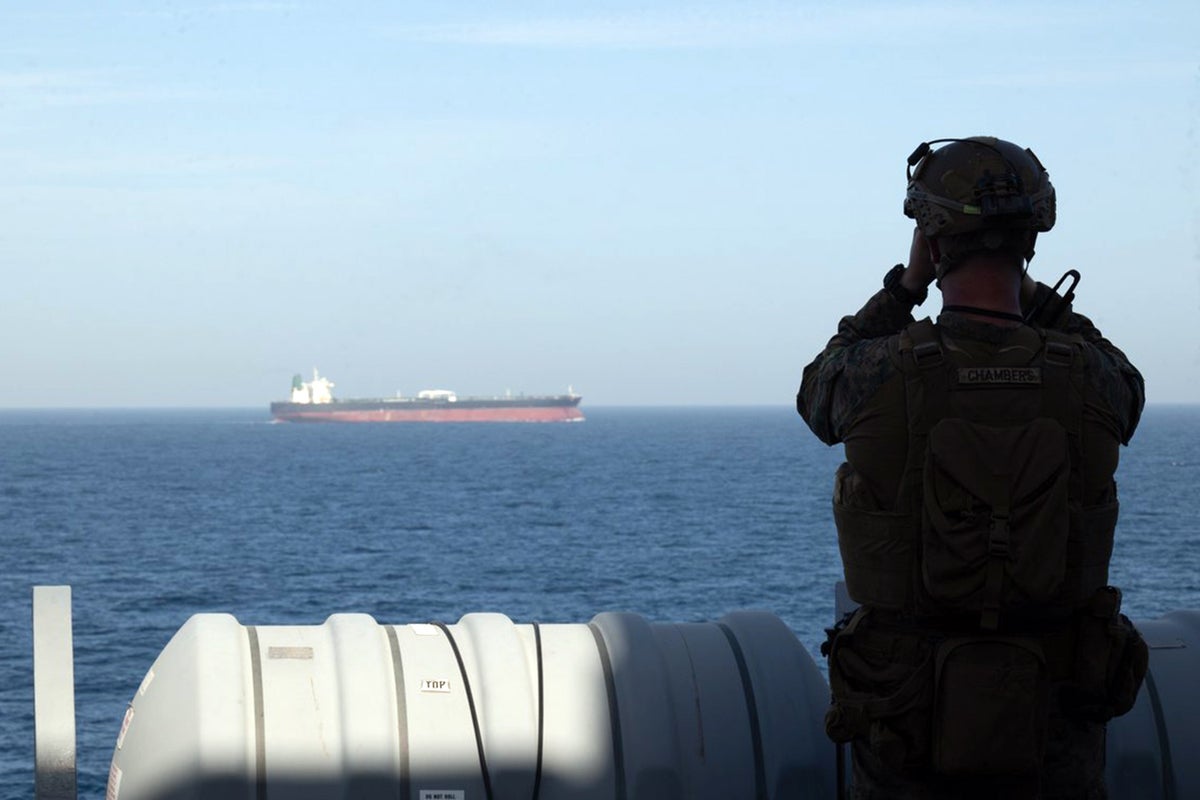
Both nations have exchanged accusations regarding violations of the ceasefire; Iran has reportedly blocked ships from passing through the Strait of Hormuz while the U.S. maintains a blockade on Iranian ports.
On Monday, Trump mentioned that Vice President JD Vance, U.S. special envoy Steve Witkoff, and Jared Kushner were en route to Islamabad, although this was inaccurate. A White House official later clarified that a senior U.S. delegation "plans to travel to Islamabad soon." However, by the time of Trump's announcement regarding the ceasefire extension on Tuesday, Vance remained in Washington.
In recent days, Trump's messaging about the negotiations has shifted significantly. On Friday, he claimed that Iran had "agreed to everything," a statement that did not align with Iran's own communications. The Iranian Foreign Ministry firmly stated that uranium would not be transferred to the U.S., contradicting Trump's assertion that the U.S. would "take" Iran's enriched uranium.
The U.S. is now over seven weeks into what officials initially described as a four-to-six-week campaign against Iran, which began when U.S. and Israeli forces targeted Iranian sites in late February.