


Trump's ATF Accused of Targeting Trans Gun Owners with New Rules
The U.S. Bureau of Alcohol, Tobacco, Firearms and Explosives (ATF) has introduced a controversial rule that requires all new gun owners to disclose their birth sex on purchase forms, a move critics argue is designed to intimidate transgender individuals from exercising their Second Amendment rights.
Under the new regulation, even those who have legally or medically transitioned must indicate their sex assigned at birth on mandatory paperwork. This requirement raises concerns among firearms policy experts, who suggest it could facilitate the creation of a registry of trans gun owners by flagging discrepancies between names and listed sexes.
Experts warn that this policy could deter transgender individuals from legally purchasing firearms, creating a “Catch 22” scenario where any false statement on the form could lead to severe legal repercussions, including federal charges and imprisonment. Patrick G. Eddington, a senior fellow at the Cato Institute, remarked, “Just the announcement is going to have a chilling effect.”

He further elaborated that the administration appears intent on collecting data on individuals who do not conform to traditional gender norms, effectively establishing a de facto registry based on gender identity.
The current status of this policy remains ambiguous. Initially confirmed to a local newspaper last June, ATF officials have since softened their language amid inquiries. However, they acknowledged updates to align with Trump’s January 2025 executive order, which mandates that the federal government cease recognition of transgender identities.
This follows reports indicating that the Department of Justice is considering measures to classify trans Americans as mentally unfit to own firearms. A series of tragic mass shootings involving trans suspects has fueled this narrative, despite statistics showing that most mass shooters are young white males.

In response to rising violence, conservative media and activists have called for extreme measures against the trans community, including institutionalization. Senior officials in the administration have tread carefully around these calls, with White House Press Secretary Karoline Leavitt stating that “the administration is taking it seriously” when asked about investigations into “transgender violence.”
In February 2025, the Department of Homeland Security eliminated restrictions on monitoring individuals based solely on gender identity. Additionally, the Justice Department has sought information from hospitals regarding trans patients, while Republican-led states have attempted to compile lists of trans individuals through medical records.
FBI data indicates a rise in anti-LGBT+ hate crimes over the past decade, coinciding with a resurgence of anti-trans political sentiment in the U.S. This climate has prompted many in the LGBT+ community and their allies to seek firearms for self-defense.
Erin Palette, national coordinator for the LGBT+ gun group Pink Pistols, noted a significant increase in interest in joining gun clubs since Trump’s re-election. “Interest in joining Pink Pistols chapters has surged in a manner I can only describe as explosive,” she stated.
Palette criticized the proposed ATF rule as discriminatory, arguing that it targets minorities under the guise of safety. The requirement to disclose birth sex on Form 4473 could place trans individuals in an untenable position: listing their gender identity risks legal consequences for false statements, while adhering to birth sex could misalign with their current identity and documentation.
Eddington echoed these concerns, suggesting that the ambiguity surrounding the proposed changes could create a “felony trap” for trans gun buyers. He emphasized that this policy could chill lawful firearm purchases among those already at heightened risk of violence.
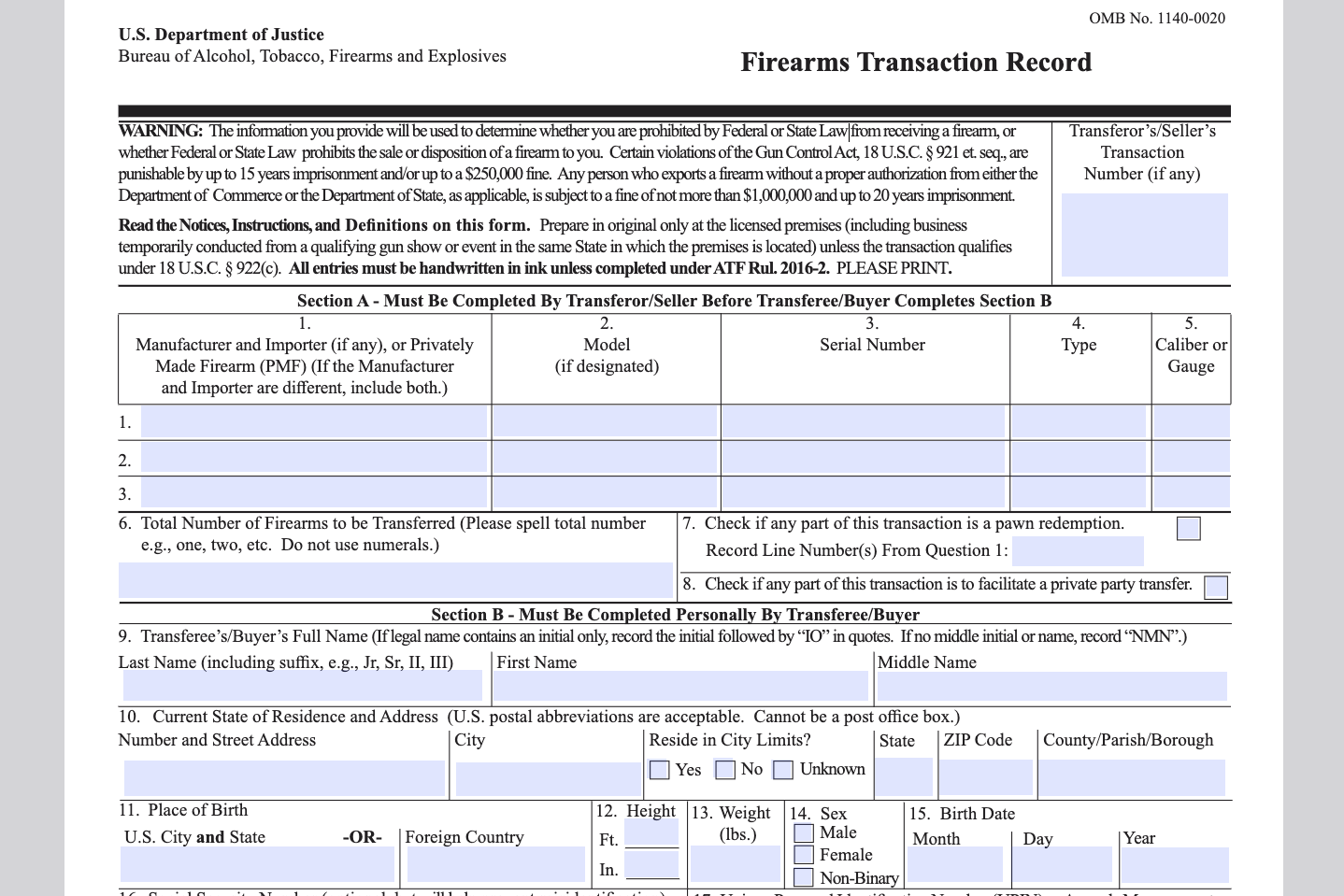
The proposed ATF rule will undergo a federal rule-making process, including public commentary. However, both Palette and Eddington fear its implementation will discourage trans individuals from becoming gun owners—a concern they believe is intentional.
“The idea that it’s acceptable for the federal government to engage in discriminatory practices based on personal characteristics undermines the very essence of the Second Amendment,” Eddington asserted. He described the proposal as “facially unconstitutional,” suggesting that the current administration disregards legal standards.
Interestingly, during Trump’s first term, Form 4473 was modified to include “non-binary” as an option for sex identification without objection from his administration. Palette noted that this inconsistency raises further questions about the motivations behind the current policy shift.
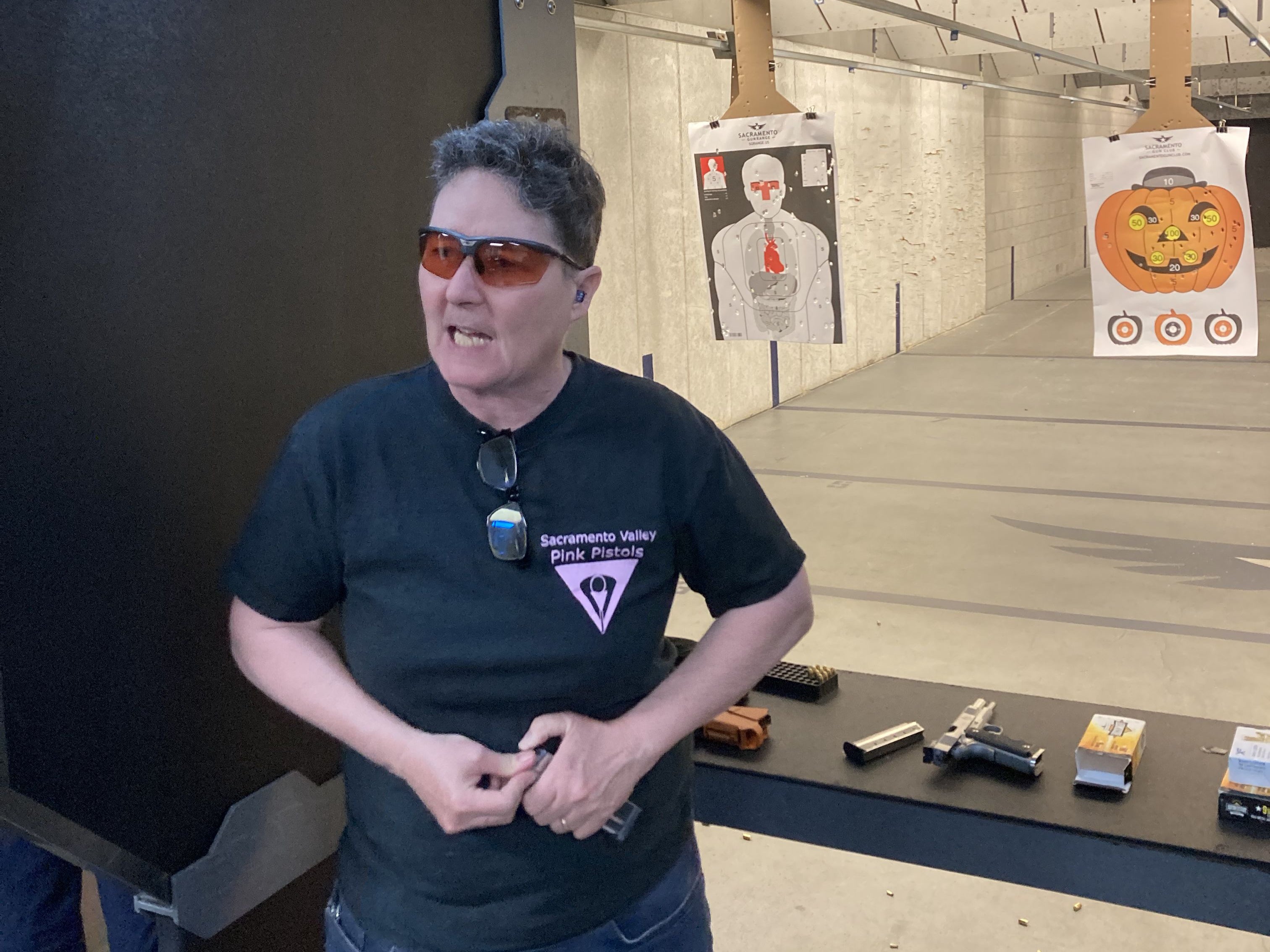
While specific membership numbers for Pink Pistols are withheld for privacy reasons, their website indicates a 68 percent increase in active chapters since November 2024. Thomas Boyer from the San Francisco chapter remarked on the unprecedented surge in interest among potential members.
David Phillips from the Liberal Gun Club reported a doubling of membership since Trump’s re-election, highlighting increased demand for training among new members. The National Association for Gun Rights acknowledged this trend as common knowledge within the firearms community.
Concerns about civil unrest and violence from right-wing extremists have prompted many progressives to seek firearms for protection. The recent killing of an anti-ICE protester by immigration agents has heightened these fears, leading various gun advocacy groups to report spikes in inquiries and membership applications.

“People join when they’re scared,” said Philip Smith, founder of the National African American Gun Association, reflecting the growing apprehension within marginalized communities regarding their safety in an increasingly hostile environment.