

Trump's China Trip Amidst Iran Conflict: A High-Stakes Gamble
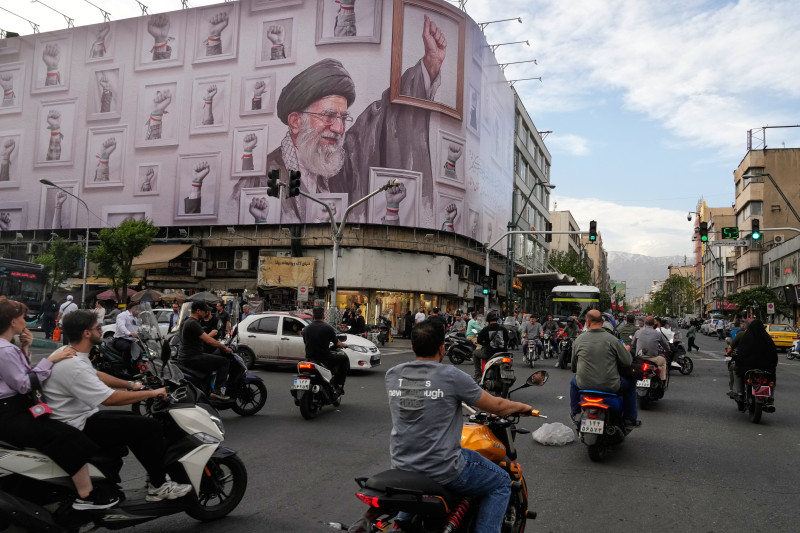
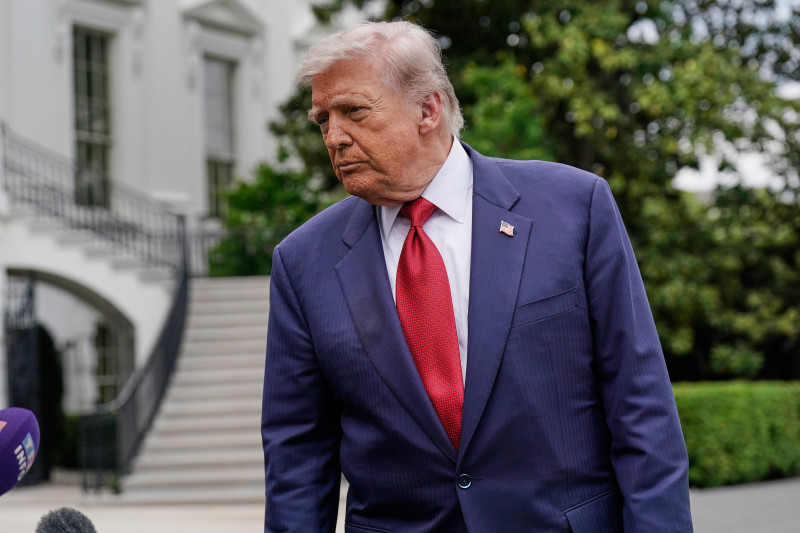
President Trump is jetting off to China on Tuesday, despite the ongoing chaos of the Iran war. The trip, initially postponed due to the conflict, is now a reality, but the ceasefire with Iran is hanging by a thread—Trump himself described it as "on massive life support."
"It's remarkable that Trump is willing to go to China under these circumstances," remarked Kurt Campbell, a prominent figure in U.S.-China relations. "But it's equally unusual for China to roll out the red carpet for him." The backdrop? A war-torn Iran and a U.S. military campaign that has left relations with Tehran in tatters.
China and Iran are tight allies, and while the U.S. has been busy bombing Iranian targets, questions loom over whether Beijing has been covertly aiding Tehran. Yet, the state visit is still on track. "Both sides see value in this meeting," Campbell added, hinting at a delicate balance of interests.
A senior U.S. official, speaking off the record, posed a provocative question: "Why wouldn’t Trump continue with this trip?" The agenda is packed with grand ceremonies, trade discussions, and even the potential establishment of a "U.S.-China Board of Trade" to navigate their tumultuous relationship.
Last fall, Trump and Xi Jinping managed to cool down an escalating trade war during their meeting in South Korea. "From zero to 10, I’d rate that meeting a 12," Trump boasted aboard Air Force One afterward. Now, he’s hyping this upcoming visit as a spectacle of epic proportions.
His itinerary includes a lavish welcome ceremony, two crucial meetings with Xi, a state banquet, and a whirlwind tour of the Temple of Heaven—all squeezed into less than 48 hours. Notably, high-profile executives like Tim Cook and Elon Musk are tagging along, signaling the business stakes involved.
"Expect more good deals for America," promised Anna Kelly, White House deputy press secretary. "These agreements will prioritize American workers and bolster our economic strength." But with the Iran war looming large, the focus may shift dramatically.
Lyle Goldstein from Brown University predicts that the conflict will overshadow other discussions at the summit. "This war will dominate the agenda," he asserted. With Iran's foreign minister recently visiting China, there’s speculation that Trump might urge Xi to leverage his influence over Tehran to stabilize the Strait of Hormuz.
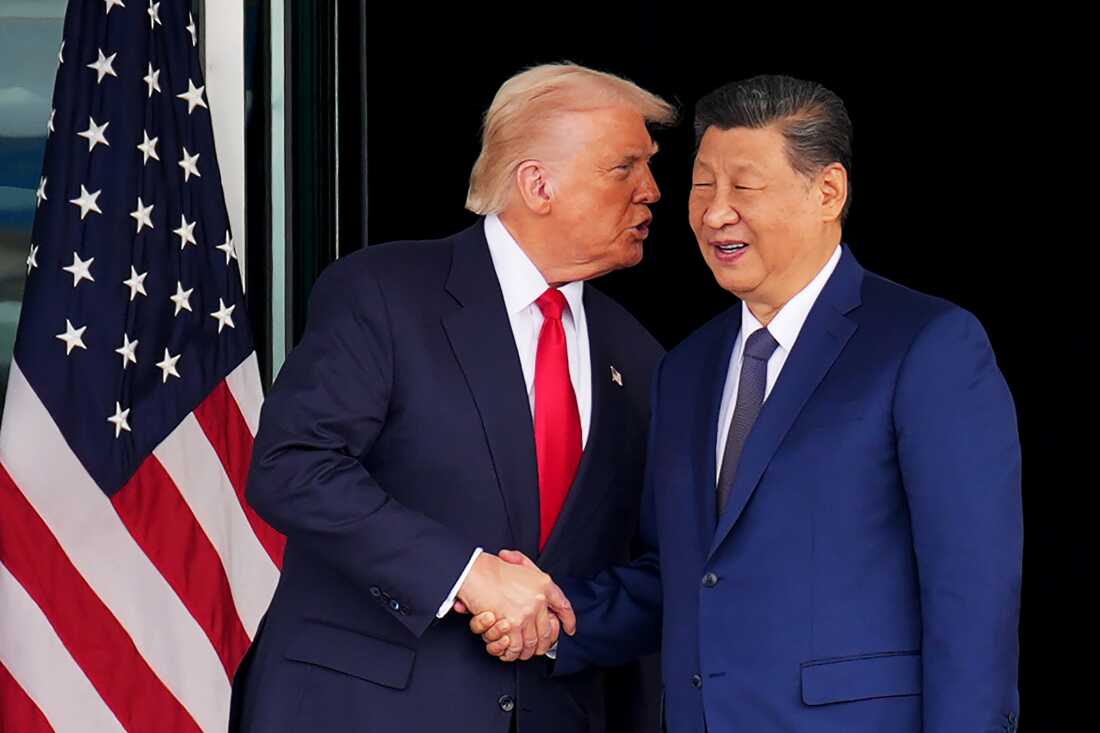
The dynamics between Trump and Xi have shifted significantly due to the war. "Xi now holds leverage he didn’t expect earlier this year," noted Ali Wyne from the International Crisis Group. The U.S. will need rare earth minerals from China to replenish its missile interceptors depleted by the conflict.
Trump insists that his rapport with Xi remains strong despite the turmoil. He downplayed concerns about China's potential support for Iran, claiming Xi reassured him through a personal letter denying any military assistance.
While China relies heavily on Iranian oil, it has managed to sidestep much of the economic fallout from the Strait of Hormuz's closure. Unlike previous administrations that criticized Xi over human rights and Taiwan, Trump has consistently praised him as a powerful leader.
"The president sees himself as his own China officer," said Dennis Wilder, a former adviser on China policy. "He believes he can strike favorable deals." Expectations are high for China to announce purchases of U.S. agricultural products and Boeing aircraft during this visit.
However, Melanie Hart from the Atlantic Council warns that negotiations are still fluid. "Normally, economic deliverables would be finalized by now, but everything is still in flux," she said. The proposed U.S.-China Board of Trade may not be ready for immediate implementation.
This trip marks just the first of potentially four meetings between Trump and Xi this year, including a planned state visit for Xi to the U.S. in the fall. "We’re witnessing the groundwork for intense dialogue aimed at resetting U.S.-China relations," Wilder explained.
The landscape of this relationship has drastically changed since Trump's initial visit nearly a decade ago when China sought to present itself as a confident competitor. Now, it’s clear that U.S. officials—including Trump—are acknowledging China's rising status on the global stage.
The White House's national security strategy now labels China as a "near peer," underscoring the long-term competition for global dominance that defines their interactions today.