

Trump's Disturbing Rhetoric Towards Muslims Raises Alarms Among Experts
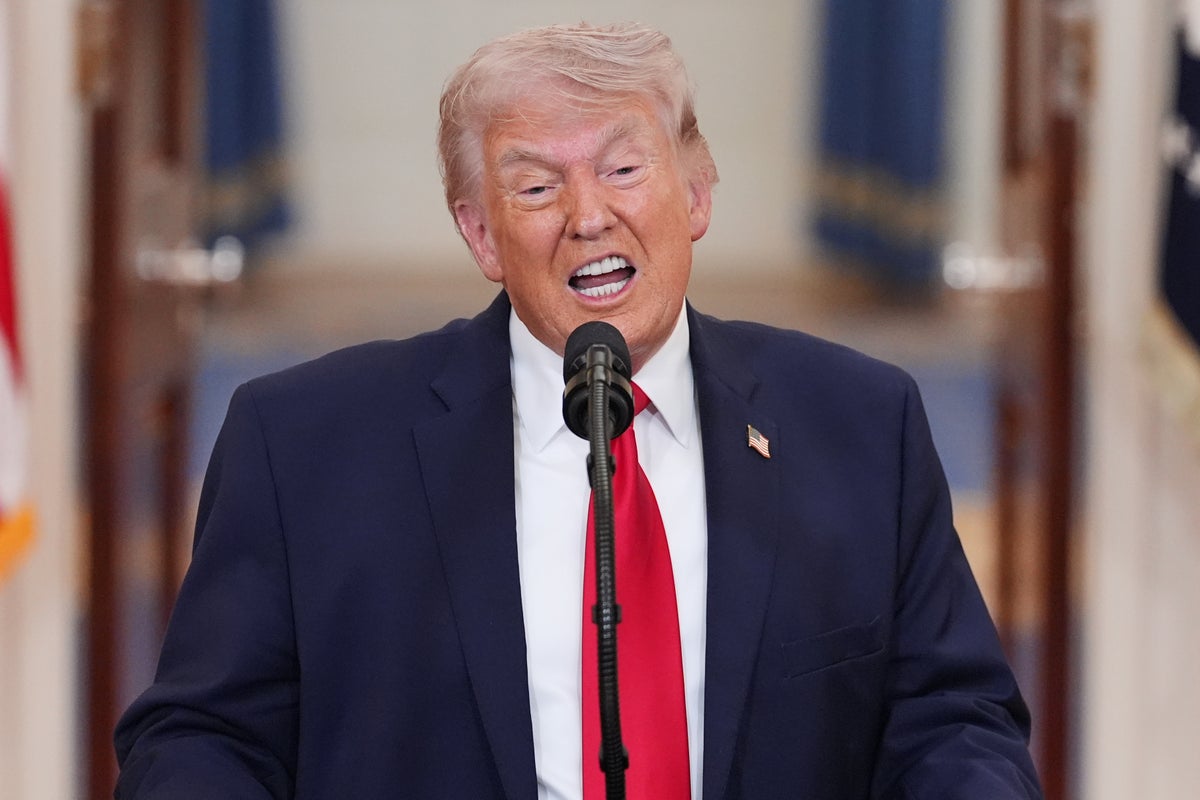
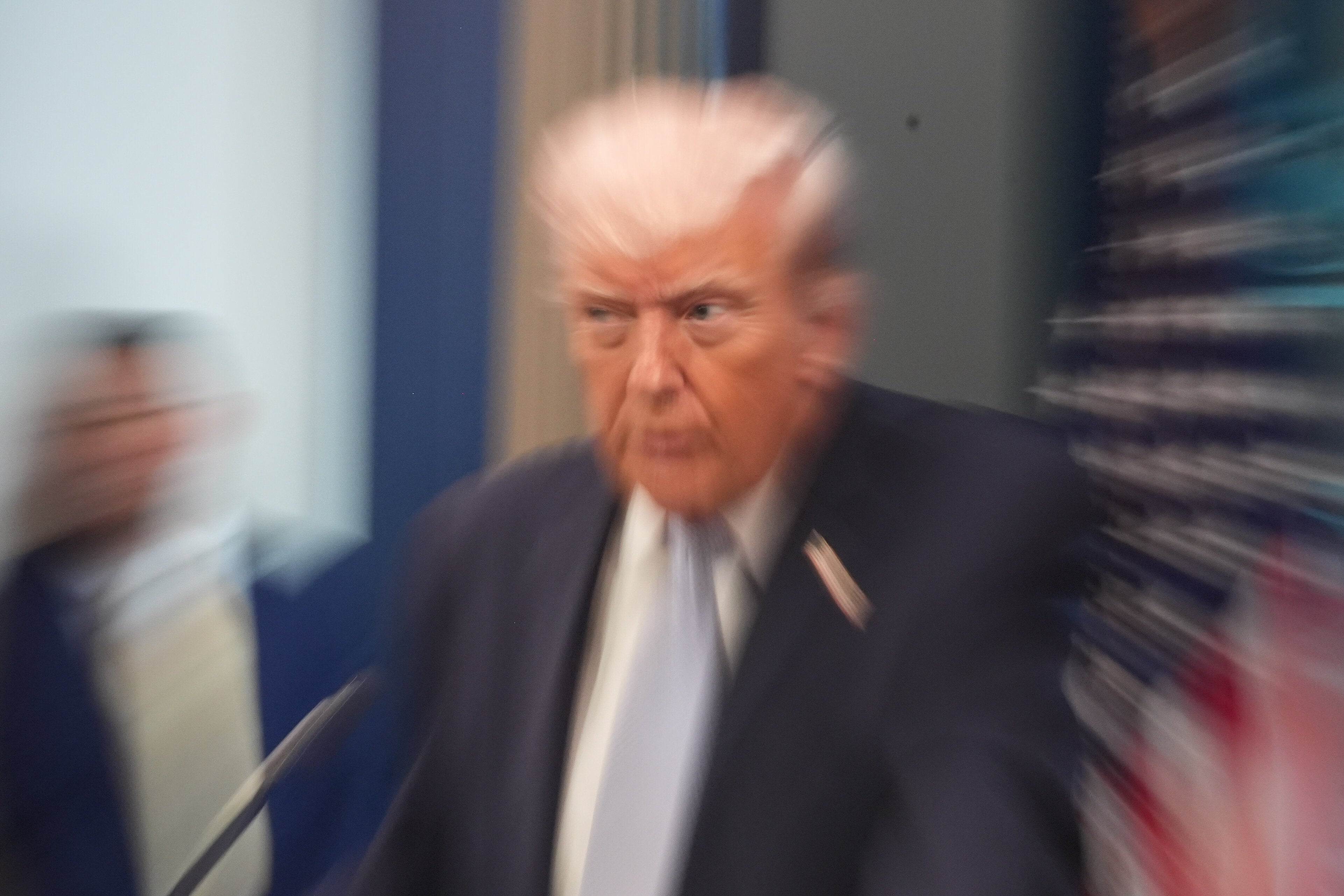
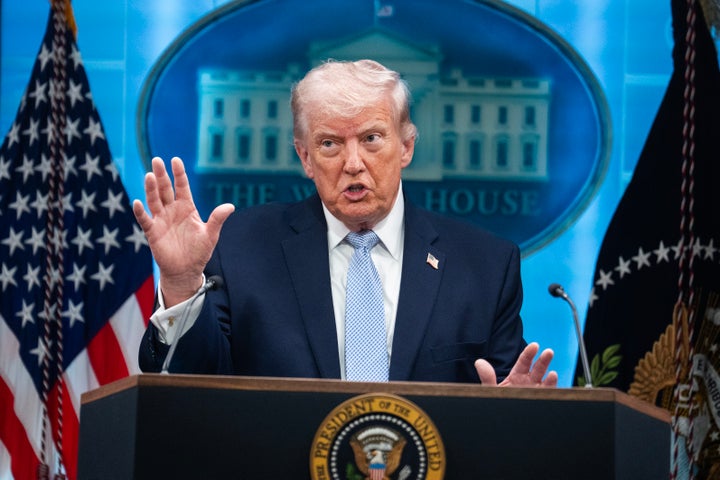
President Donald Trump’s recent statements regarding Muslims have drawn sharp criticism from experts in Islamic studies and advocacy groups, who describe his rhetoric as increasingly “dehumanizing.” This comes amid his escalating threats against Iran, which some analysts interpret as dangerously provocative.
On Easter Sunday, Trump took to his Truth Social platform, issuing a vehement threat to Iran that many consider tantamount to war crimes under international law. “Tuesday will be Power Plant Day, and Bridge Day, all wrapped up in one, in Iran. There will be nothing like it!!! Open the Fuckin’ Strait, you crazy bastards, or you’ll be living in Hell - JUST WATCH!” he declared.
His post concluded with the phrase “Praise be to Allah,” a statement that has been met with widespread backlash for its perceived mockery of Islam. Critics argue that such language trivializes serious threats and undermines the dignity of religious expression.
The Council on American-Islamic Relations (CAIR) condemned Trump’s remarks as “deranged” and “reckless,” emphasizing that they reflect a troubling pattern of anti-Muslim sentiment. “These statements are not made in a vacuum,” CAIR stated, pointing to a history of rhetoric that dehumanizes Muslims both domestically and internationally.
Iman Awad, national director of policy and advocacy for Emgage, expressed concern over the implications of Trump’s threats. She noted that they not only pose immediate risks but also contribute to a culture that normalizes violence against Muslim communities. “When threats of extreme violence are framed as policy, it lowers the bar for what is considered acceptable,” she warned.
Following his initial post, Trump intensified his threats on Tuesday morning, ominously stating that “a whole civilization will die tonight” if Iran does not comply with his demands regarding the Strait of Hormuz.
Ibrahim N. Abusharif, an associate professor at Northwestern University in Qatar, highlighted three critical aspects of Trump’s Easter message: the profanity-laden threat, the mockery of a sacred religious tradition, and the timing of the message on Easter morning. He described the vulgarity as a distraction from the serious nature of the threats being made.
“Open threats to destroy power plants and bridges are shameless pre-confessions of war crimes,” Abusharif stated. He further criticized Trump’s use of “Allah,” suggesting it reflects a profound ignorance about Islam and its linguistic roots.
Awad reiterated that Trump’s invocation of “Praise be to Allah” alongside violent threats sends a troubling message. “That contrast is what makes it so offensive,” she said, emphasizing that such language should not be weaponized for political gain.
She cautioned that the normalization of such rhetoric could have dire consequences for public discourse and policy. “Religious language should not be used as a weapon,” she asserted, advocating for respect and protection for Muslim communities akin to that afforded to other faiths.
Awad's warnings underscore the potential dangers of allowing inflammatory messages to go unchallenged, as they can shift societal standards regarding acceptable discourse from public officials.
“The problem isn’t just the words. It’s that they carry the weight of policy because real people will pay the price,” she concluded, highlighting the need for accountability in political messaging.