Trump's Election Fraud Claims: A Dangerous Game for Democrats
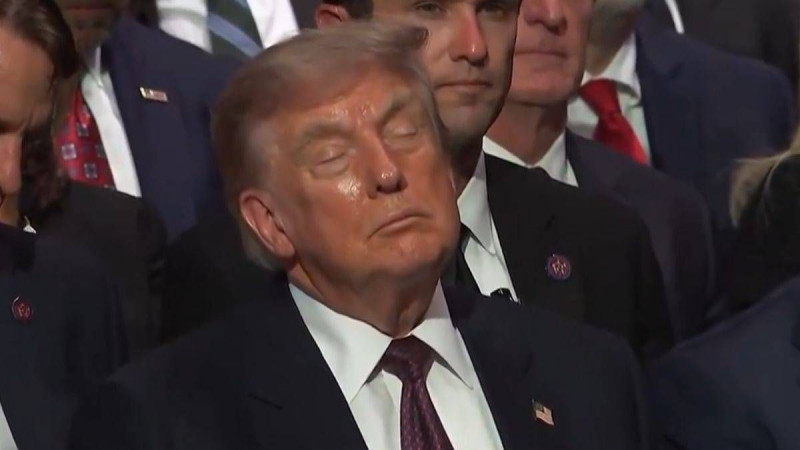
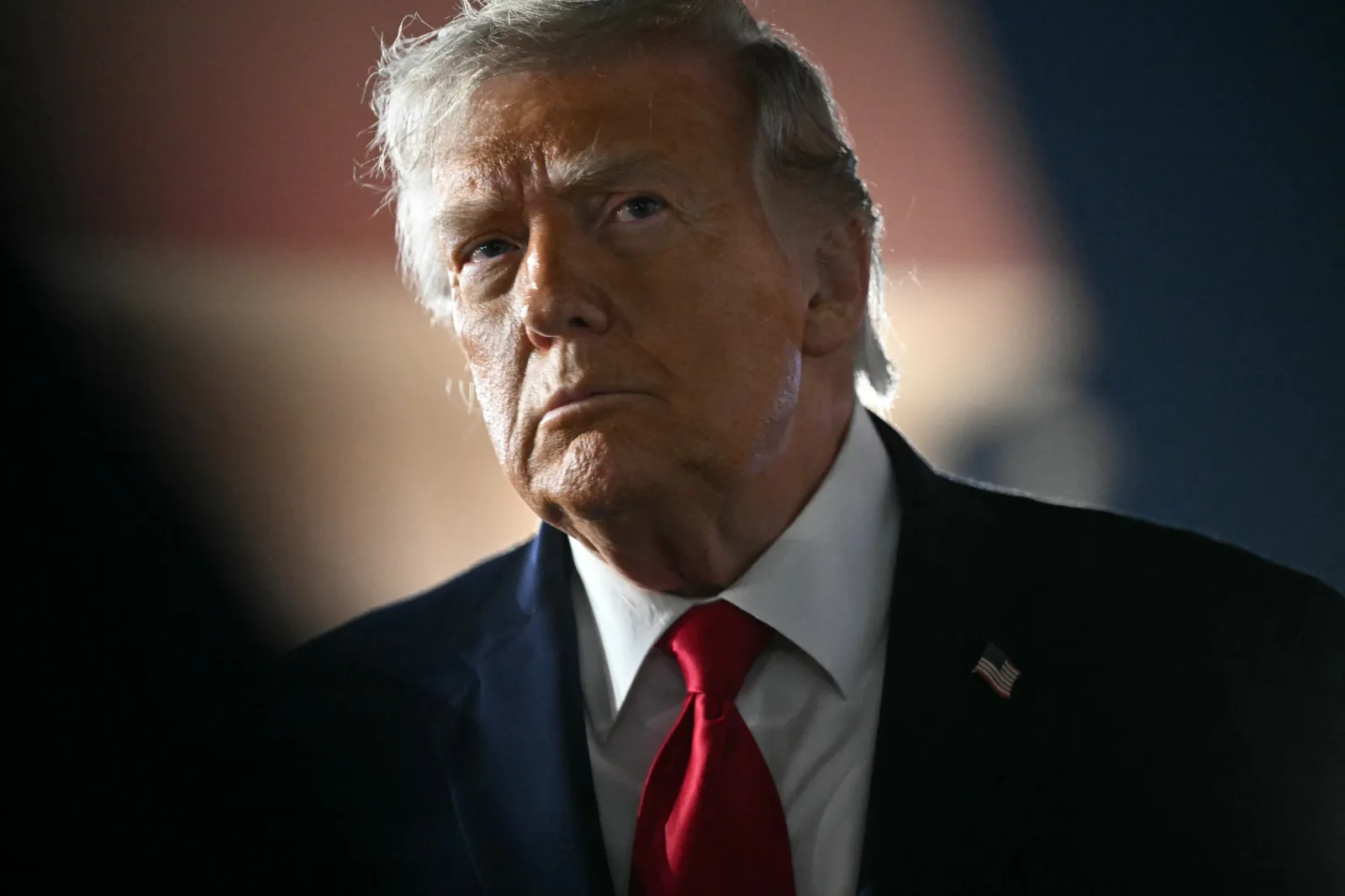
Trump's unsubstantiated claims about a "rigged" California primary are not just noise; they represent a calculated strategy to deflect blame as he anticipates a crushing defeat in the midterms. The former president's rhetoric is a direct assault on the integrity of the electoral process, echoing through the Republican ranks.
On June 7, Trump unleashed his accusations on NBC's Meet the Press, citing the slow counting of mail ballots as evidence of fraud. When pressed for proof by host Kristen Welker, he dismissed the need for evidence, stating, "All I have to do is look."
In Chippewa Falls, Wisconsin, Trump escalated his rhetoric, labeling California a "crooked state" without providing any substantiation for his claims. This pattern of baseless allegations is becoming a hallmark of his approach as he faces potential electoral losses.
The U.S. Attorney's Office in Los Angeles has responded to Trump's incendiary remarks by launching multiple investigations into alleged election fraud. This announcement came just after Trump's claims regarding mass fraud during the drawn-out counting of mail ballots, which negatively impacted his favored candidates.
Jim Kessler from Third Way argues that Trump's fraud narrative is a desperate attempt to shift accountability away from himself. He suggests that Trump is aware of his impending defeat and resorts to blaming election fraud as a coping mechanism.
Stephen Richer, a former recorder for Maricopa County, Arizona, and now a legal fellow at the Cato Institute, firmly states that there is no foundation for Trump's claims. Richer has firsthand experience overseeing voter registration and mail voting in a critical swing county and has publicly refuted Trump's assertions, facing backlash from within his own party.
Richer warns that the threat to elections has intensified since 2020, primarily due to the presence of individuals in key law enforcement positions who are willing to entertain unfounded claims. He notes that election denialism has permeated leadership within the Republican Party.
In 2020, both Chris Krebs and U.S. Attorney General Bill Barr dismissed Trump's fraud allegations, with Barr stating that no evidence existed to suggest fraud could alter election outcomes. However, a ProPublica investigation reveals that many officials who previously upheld electoral integrity are no longer in their positions, replaced by appointees aligned with the election denial movement.
Experts agree that while Trump cannot unilaterally cancel elections, the real dangers lie in potential chaos and legal disputes following the casting of votes. The integrity of the electoral process is at risk as distrust grows among voters.
Richer emphasizes that serious interference could occur if federal law enforcement were to seize materials from election offices during the vote-counting process. Such actions would undermine confidence in the election results.
The Justice Department has already taken steps regarding 2020 election materials, suing Fulton County, Georgia, for access to ballots and other records. This marks an unprecedented move in seeking physical ballots from a previous election.
Despite repeated affirmations of the 2020 results by various officials, including Georgia Secretary of State Brad Raffensperger, Trump continues to push his narrative of fraud. Courts have consistently rejected lawsuits challenging the election outcomes.
Kessler expresses hope that some Republican officials will distance themselves from Trump and counter these fraudulent claims, though he remains skeptical about their willingness to act courageously.
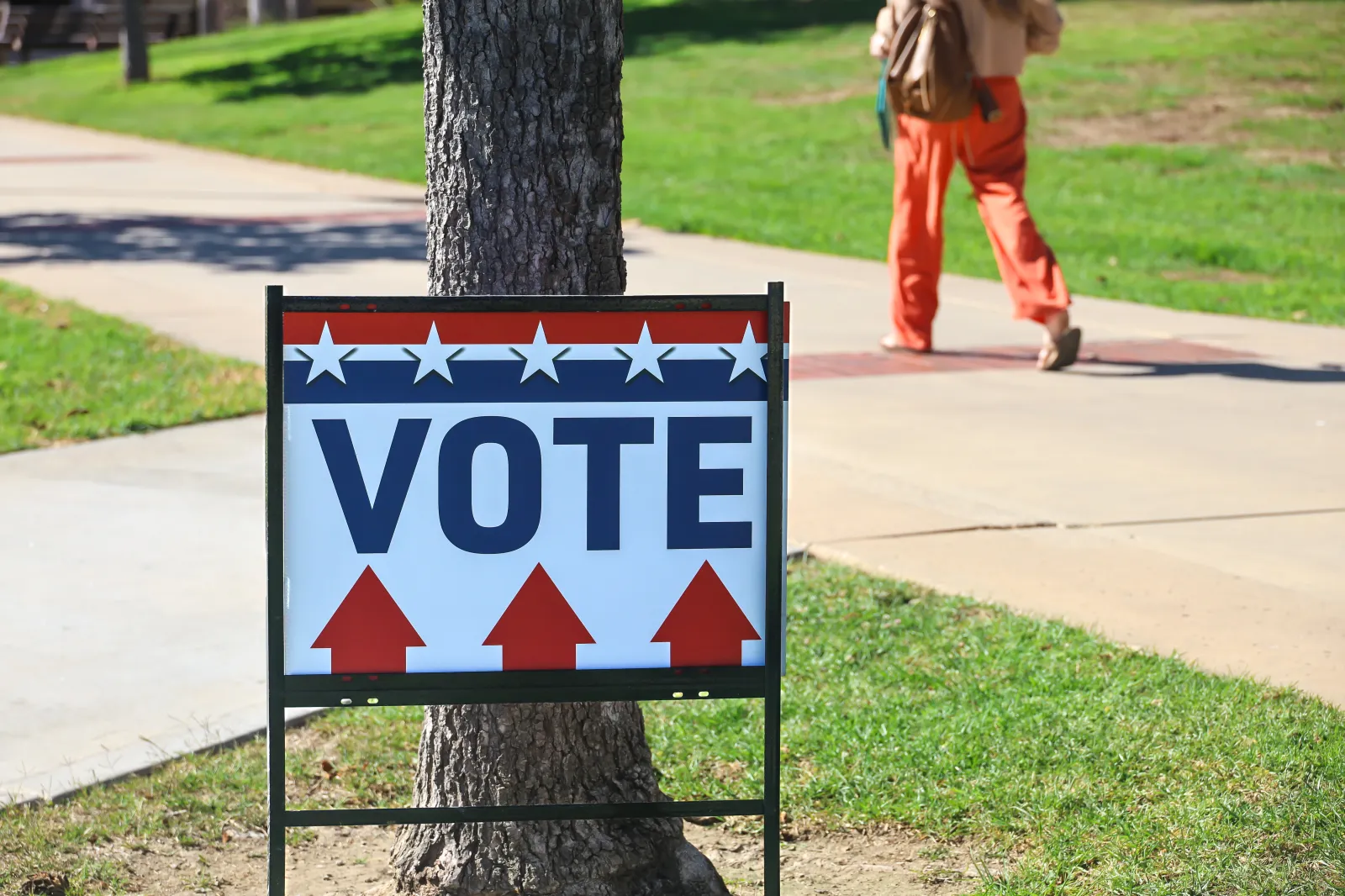
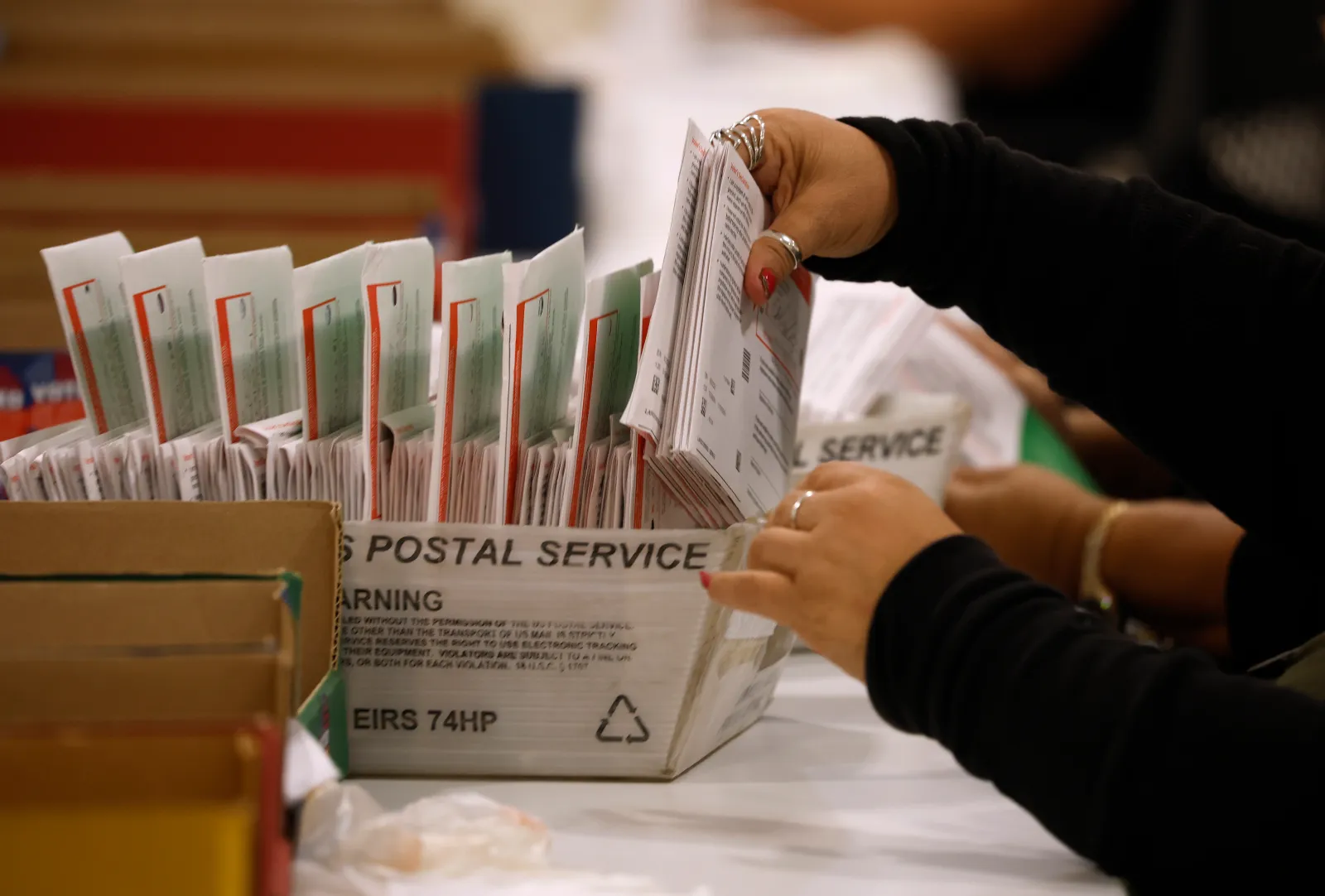
The stakes extend beyond California; control of the U.S. House may hinge on competitive districts within the state. The slow counting process in California, where over 80 percent of votes are cast by mail, has been a point of contention.
Richer points out that this slow counting is not new and does not indicate fraud. The pattern of early leads for Republican candidates followed by declines as mail ballots are counted has fueled conspiracy theories.
U.S. Attorney Bill Essayli has echoed concerns about California's electoral system but has not provided specific details regarding ongoing investigations. House Speaker Mike Johnson has also expressed skepticism about the integrity of California's elections without offering concrete evidence.
Richer advocates for constructive criticism of California's voting system rather than spreading misinformation. He calls out those who exploit the situation for political gain.
Kessler reiterates that the issue lies within procedural delays rather than fraud itself. He highlights that while California's careful ballot counting takes time, other states manage to complete their processes more efficiently.
Even Republican Steve Hilton has acknowledged that his campaign has not encountered any illegal activity in the vote count while advocating for changes to mail ballot laws.
California Attorney General Rob Bonta firmly rejects Trump's allegations, asserting that every audit and court case has confirmed there is no widespread voter fraud.