
Trump's Religious Liberty Commission: A Call to Arms Against Church-State Separation
“There is no separation of church and state,” blares the proposed federal hotline from Trump’s Religious Liberty Commission. This isn’t just a catchy slogan; it’s a battle cry for a group that’s redefining religious freedom in America.
Among the commission's audacious proposals, one member is pushing for a Presidential Medal of Freedom for a baker who refused to craft a wedding cake for a same-sex couple. Meanwhile, another demands the Department of Justice intervene on behalf of Amish parents resisting New York's vaccine mandates and Catholic nuns fighting against accommodating hospice patients’ gender identities.
These recommendations emerged during an April meeting where the panel, largely composed of Trump’s conservative Christian base, laid out their wish list. Dissent? Almost nonexistent. Their agenda reflects a narrow interpretation of religious liberty that prioritizes public expressions of faith, financial support for faith-based organizations, and exemptions from laws that clash with their beliefs.
Critics are sounding alarms, claiming this commission embodies a dangerously one-sided view that threatens the constitutional separation of church and state. A lawsuit from a progressive interfaith coalition argues that the commission violates federal law by lacking diverse perspectives, with most members being conservative Christians and only one Orthodox Jewish rabbi in the mix.
“America is a Judeo-Christian nation,” they assert, as meetings predominantly take place at the Museum of the Bible, an institution led by Christian figures. The Republican administration is fighting back, seeking to dismiss the lawsuit on technical grounds, arguing there’s no legal requirement for balanced representation.
In a related initiative, Trump’s Task Force to Eradicate Anti-Christian Bias claims Christians are facing discrimination under Biden’s administration in education and legal matters. Progressive groups counter that this report lacks evidence and serves more as advocacy than an objective investigation.
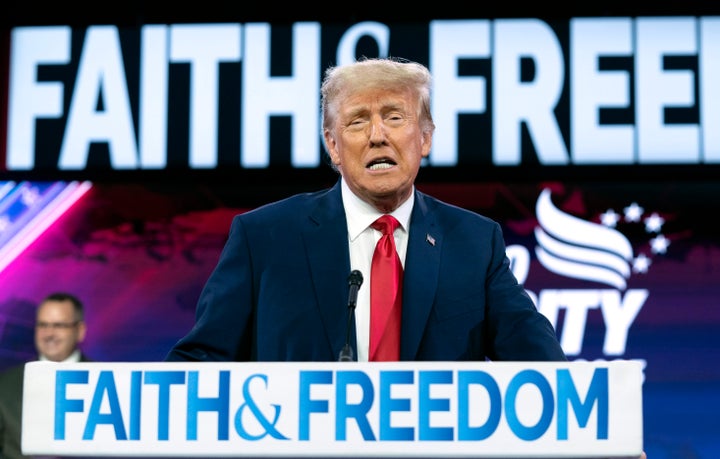
As if to further intertwine these initiatives, several commission members are slated to participate in a prayer event on May 17, celebrating America’s 250th birthday. They also took part in a recent Bible-reading marathon at the Museum of the Bible.
While most discussions within the commission have been harmonious, one notable exception arose when Carrie Prejean Boller was ousted after a heated debate on antisemitism. Chair Dan Patrick accused her of trying to “hijack” the hearing while she defended controversial commentator Candace Owens. Prejean Boller claimed her removal was unjust and rooted in her beliefs.
Witnesses at hearings have shared stories of defying workplace regulations that clash with their conservative values on issues like gender and abortion. Some reported being temporarily barred from displaying religious symbols or singing Christian songs at school events.
During discussions on antisemitism, Jewish witnesses recounted harassment at pro-Palestinian protests. Yet critics argue that the commission primarily amplifies conservative Christian grievances while neglecting broader issues like anti-Muslim sentiment and rising antisemitism from the right.
Rev. Paul Brandeis Raushenbush, leading the charge against the commission’s composition, highlights significant omissions in addressing anti-Muslim efforts and right-wing antisemitism. He expresses deep concern over Patrick’s blatant dismissal of church-state separation.
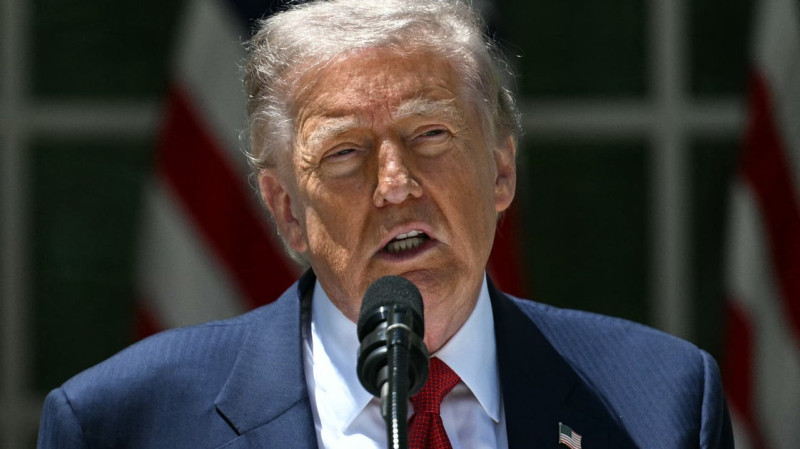
Patrick, Texas’ lieutenant governor, has been vocal about his disdain for this foundational concept. “We need to say there is no separation of church and state,” he declared at an April meeting, suggesting they print “a million bumper stickers” to spread this message. No one in attendance disagreed.
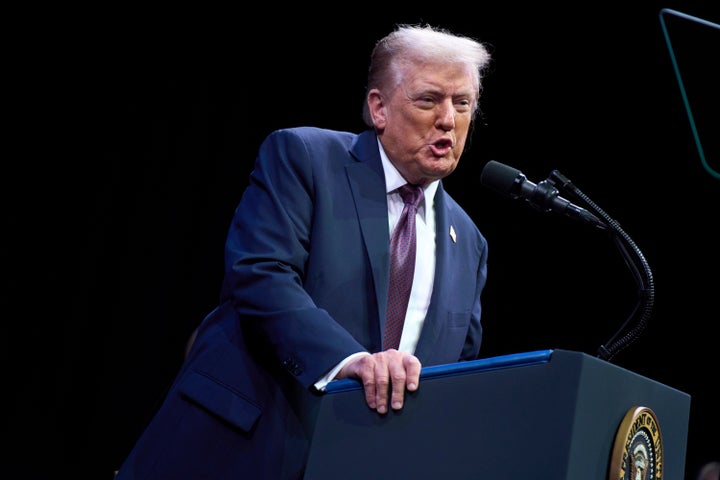
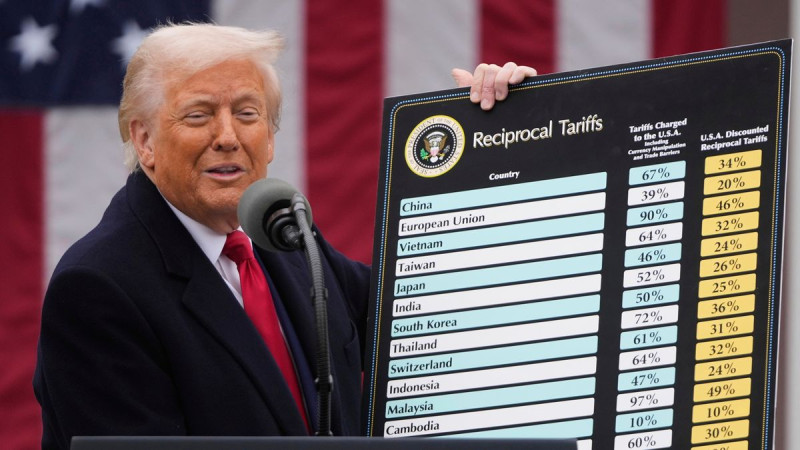
Trump echoed similar sentiments during a 2025 prayer event at the White House, dismissing the separation as a mere formality. While the phrase itself isn’t in the Constitution, Supreme Court rulings have long upheld the idea of a “wall of separation” between church and state.
As courts grapple with balancing religious freedom against government-sponsored religion, Patrick advocates for prayer and Ten Commandments displays in public schools. “I don’t harbor malice towards non-believers,” he stated. “But we must push back against those trying to erase God from our country.”
Commissioners are also calling for schools and workplaces to post notices about religious expression rights and exemptions. Some demand reinstatement of full benefits for military personnel discharged over COVID-19 vaccine refusals.
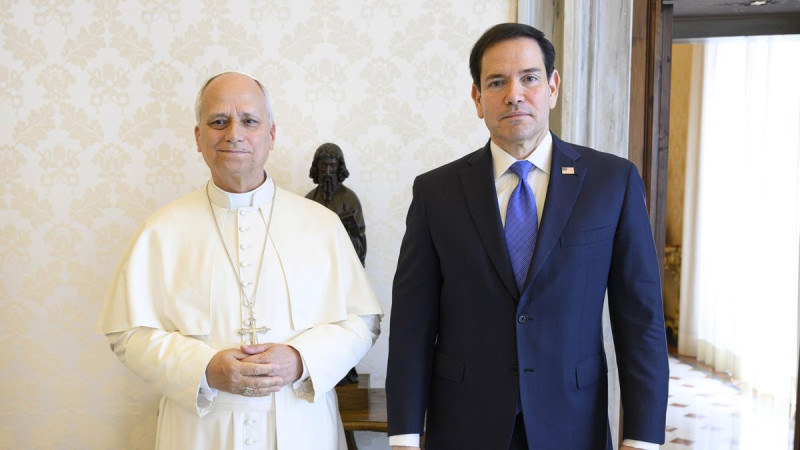
Bishop Robert Barron from Minnesota’s Catholic Diocese insists that religious organizations like Catholic Charities should receive federal funding without compromising their teachings. He also advocates for humane treatment of detained Catholic immigrants and protection of worship services from immigration enforcement actions.
Kelly Shackelford, head of First Liberty Institute, proposes that governments should cover all legal fees if they lose religious liberty cases, arguing many individuals can’t afford to challenge government actions in court. “This would shift power back to citizens,” he asserted.
The commission’s agenda is clear: reshape America’s religious landscape while challenging long-standing principles of church-state separation. The stakes are high as they push forward with their radical vision.