Trump's Stance on 'Endless Conflicts' Faces Scrutiny Amid Iran Engagement
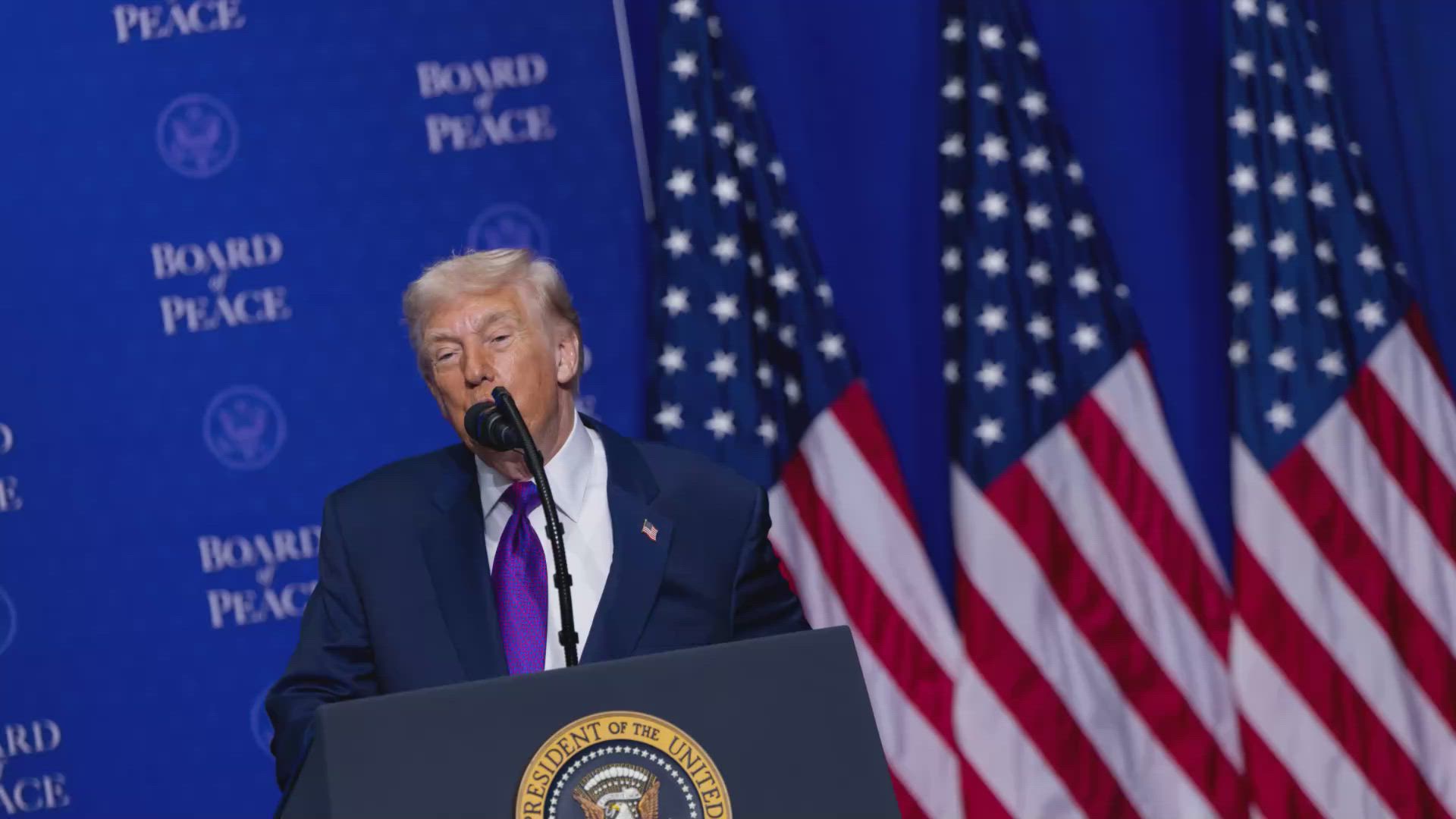
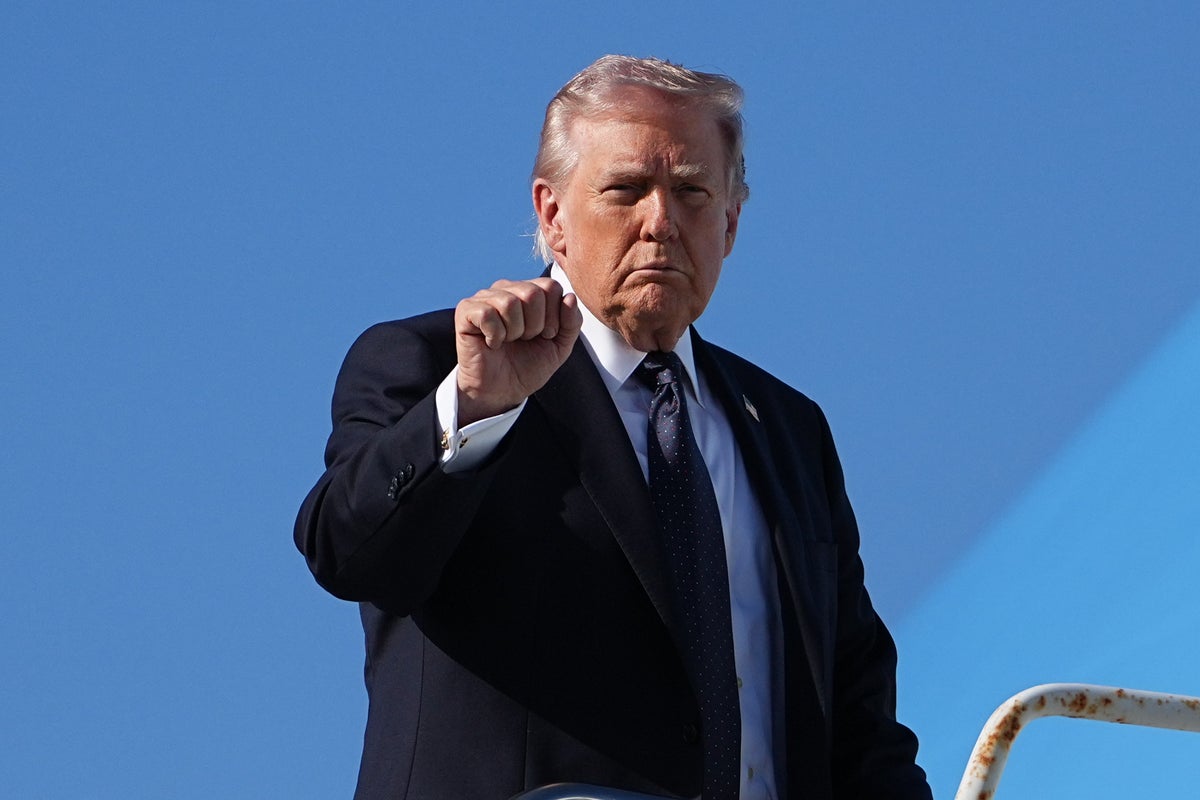
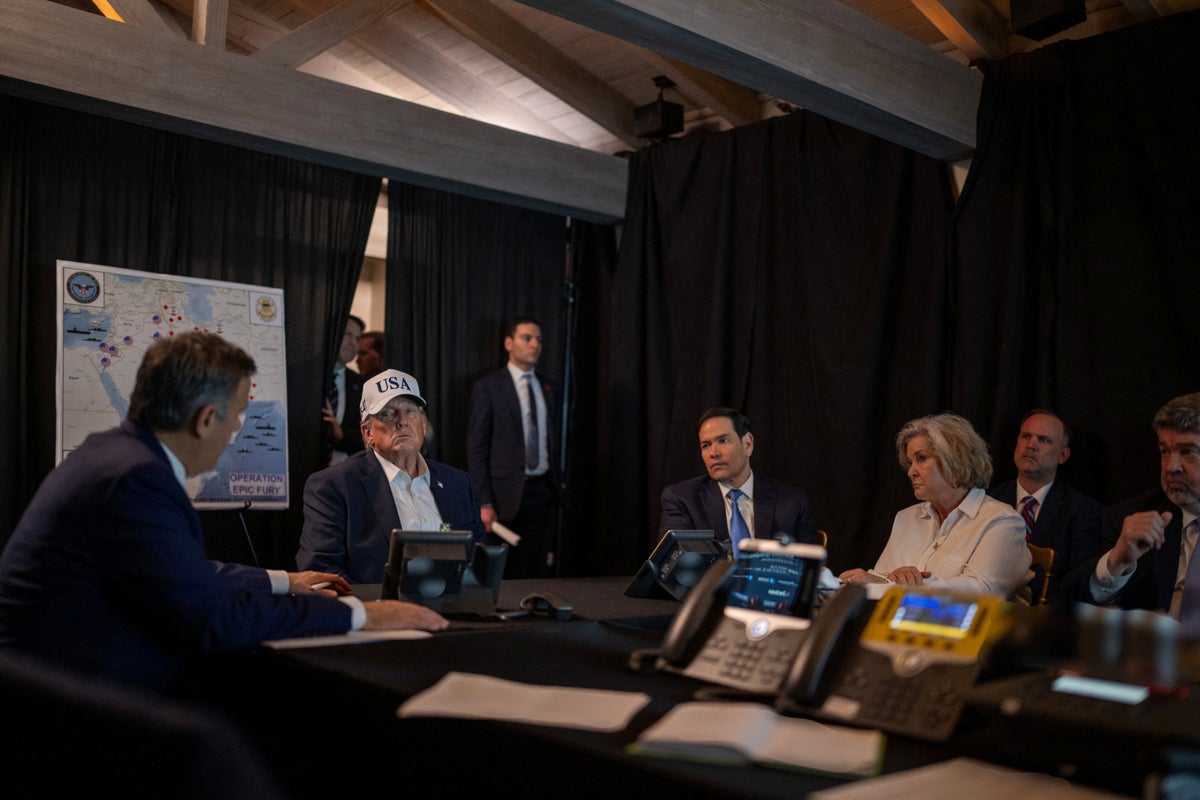
President Donald Trump’s military engagement in Iran is raising eyebrows, particularly given his long-standing opposition to what he terms “forever wars.” This contradiction is at the forefront of political discourse as the U.S. finds itself embroiled in a significant conflict without congressional approval.
In 2016, Trump’s campaign was marked by a fierce critique of the Bush family’s legacy, especially regarding the Iraq War. “The war in Iraq was a big, fat mistake,” he declared during a Republican debate, a sentiment that resonated with voters weary of prolonged military engagements.
Fast forward to today, and Trump’s actions tell a different story. His administration has initiated military operations in various countries, including a controversial strike in Venezuela aimed at capturing Nicolás Maduro. Now, with escalating tensions in Iran, Trump is navigating a precarious path that could redefine his presidency.
“My entire adult lifetime has been shaped by presidents who threw America into unwise wars and failed to win them,” JD Vance, Trump’s potential running mate for 2024, articulated in a recent column. This sentiment underscores the stakes for Trump as he campaigns for a return to the White House.
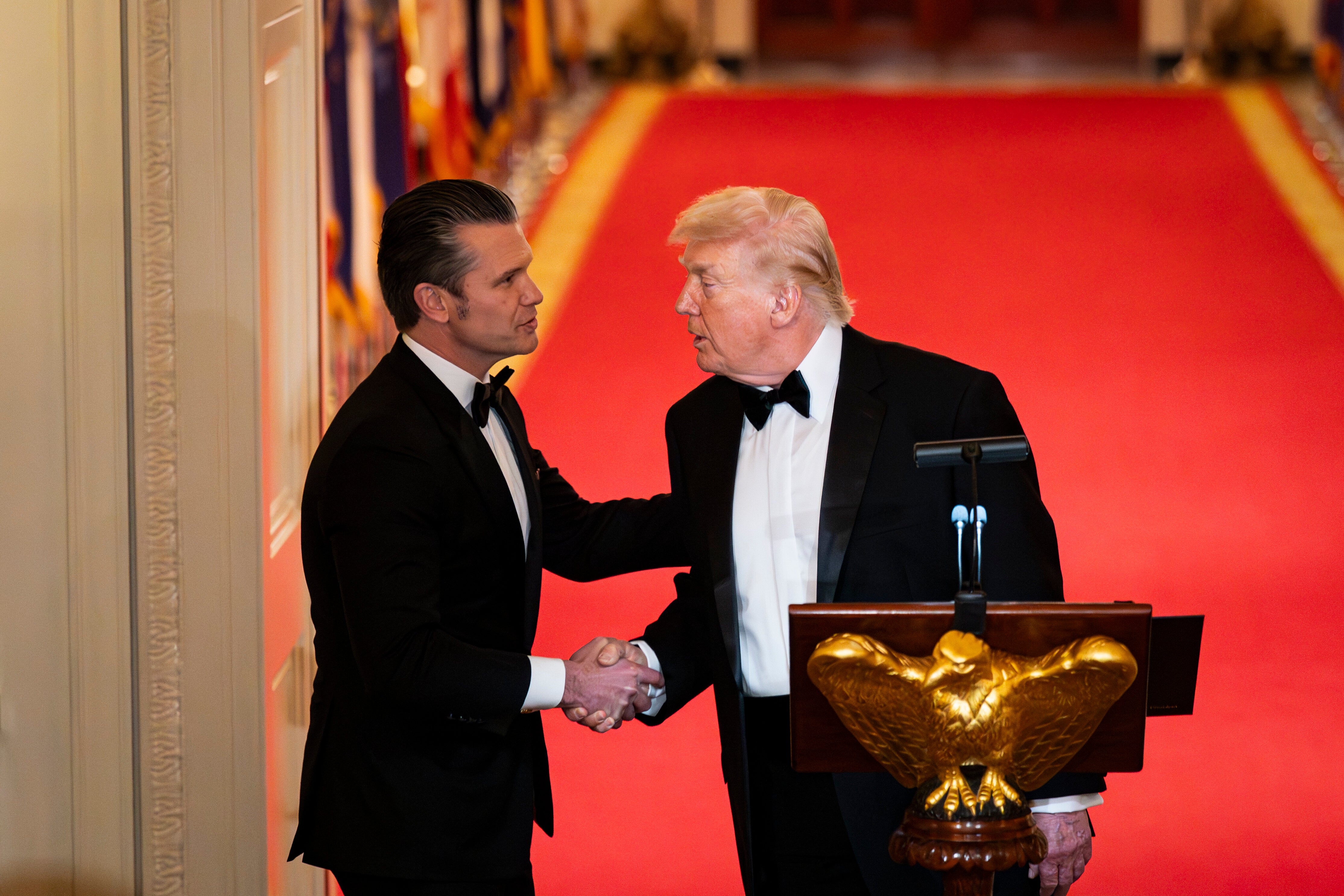
Defense Secretary Pete Hegseth attempted to quell fears that the conflict in Iran would mirror the protracted wars in Iraq and Afghanistan. However, Trump hinted at a longer engagement than initially anticipated, stating, “We projected four to five weeks... but we have capability to go far longer than that.”
Democratic military veterans are among the most vocal critics of this new conflict. They argue that history is repeating itself, warning against another “forever war.” Senator Ruben Gallego, a Marine veteran, criticized Trump’s willingness to engage militarily without understanding the consequences, labeling him “cadet bone spurs” in reference to Trump’s draft deferment.
Gallego’s concerns echo those of other veterans in Congress who have experienced the harsh realities of war firsthand. “Showhorse leaders like Donald Trump have never had to put their lives on the line,” he stated, emphasizing the dangers of impulsive military decisions.
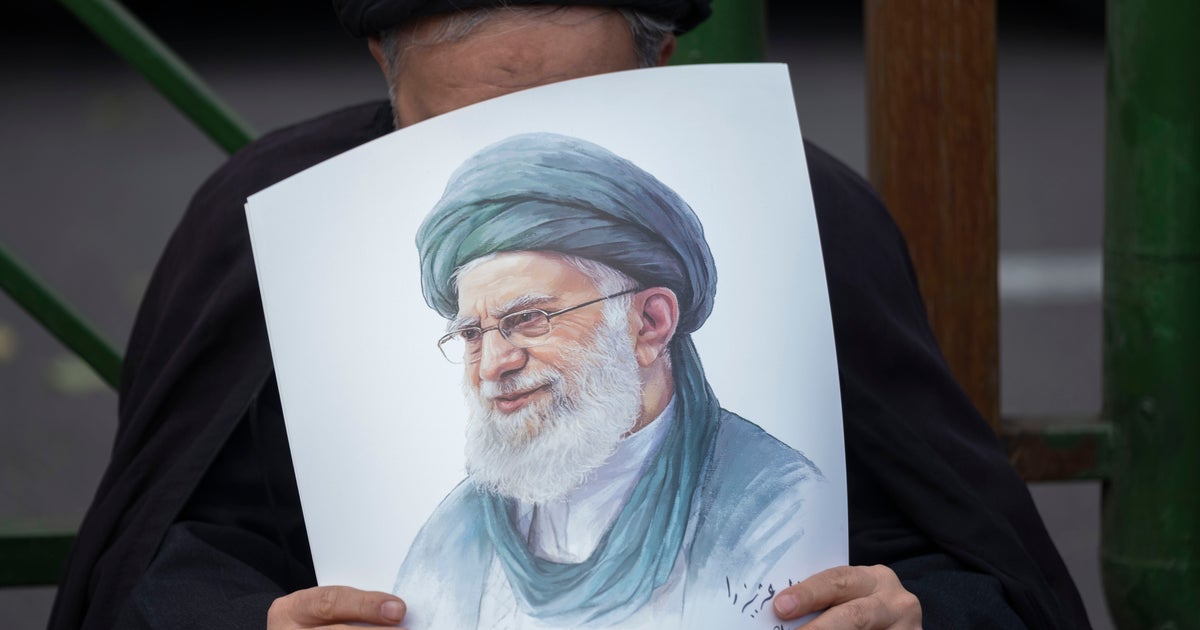
As protests erupted following the killing of Iranian leader Ayatollah Ali Khamenei, Gallego reflected on the futility of such actions, recalling his own experiences in Iraq. Fellow veteran Graham Platner warned that the current trajectory could lead to “another stupid war,” highlighting the personal toll of military conflict.
Representative Jason Crow, who served in Iraq and Afghanistan, criticized Trump’s approach, questioning the fairness of sending working-class individuals to fight while wealthy elites remain untouched. He called for Congress to take immediate action against unauthorized military actions.
Pat Ryan, another veteran in Congress, echoed these sentiments, urging lawmakers to prevent a repeat of past mistakes from 2001 and 2002. “I’ve seen what happens when a lying, chicken-hawk President beats the war drums,” he remarked, advocating for congressional oversight on military engagements.
The political landscape surrounding Trump’s military decisions is fraught with tension as both supporters and critics grapple with the implications of his actions. As the situation evolves, the discourse around “forever wars” continues to shape the narrative leading into the 2024 election cycle.
This ongoing conflict not only tests Trump’s commitment to his anti-war rhetoric but also challenges the broader implications for U.S. foreign policy moving forward.