


Trump's Threat to 'Civilization' Escalates Beyond War Crimes
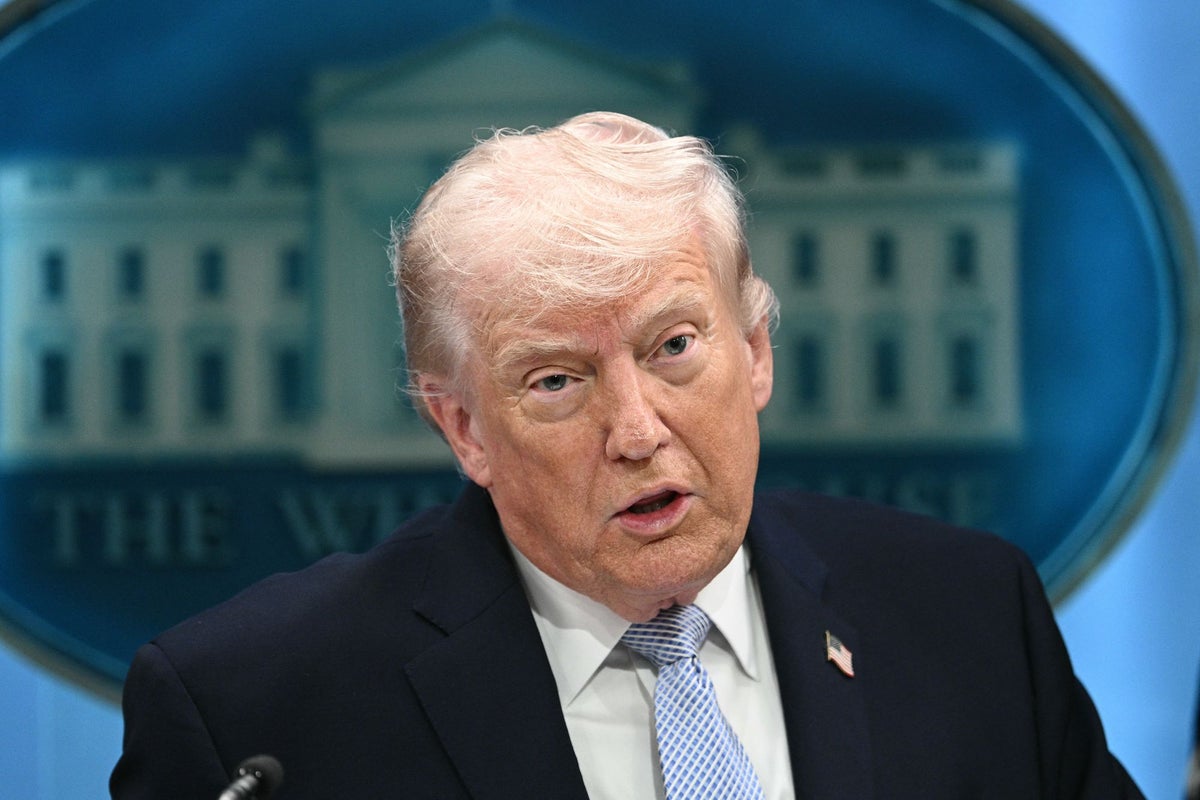
“A whole civilization will die tonight, never to be brought back again,” President Donald Trump declared, issuing a chilling ultimatum to Iran early Tuesday morning. His social media post warned that the world would witness the consequences if Iran did not comply with his 8 p.m. ET ceasefire deadline.
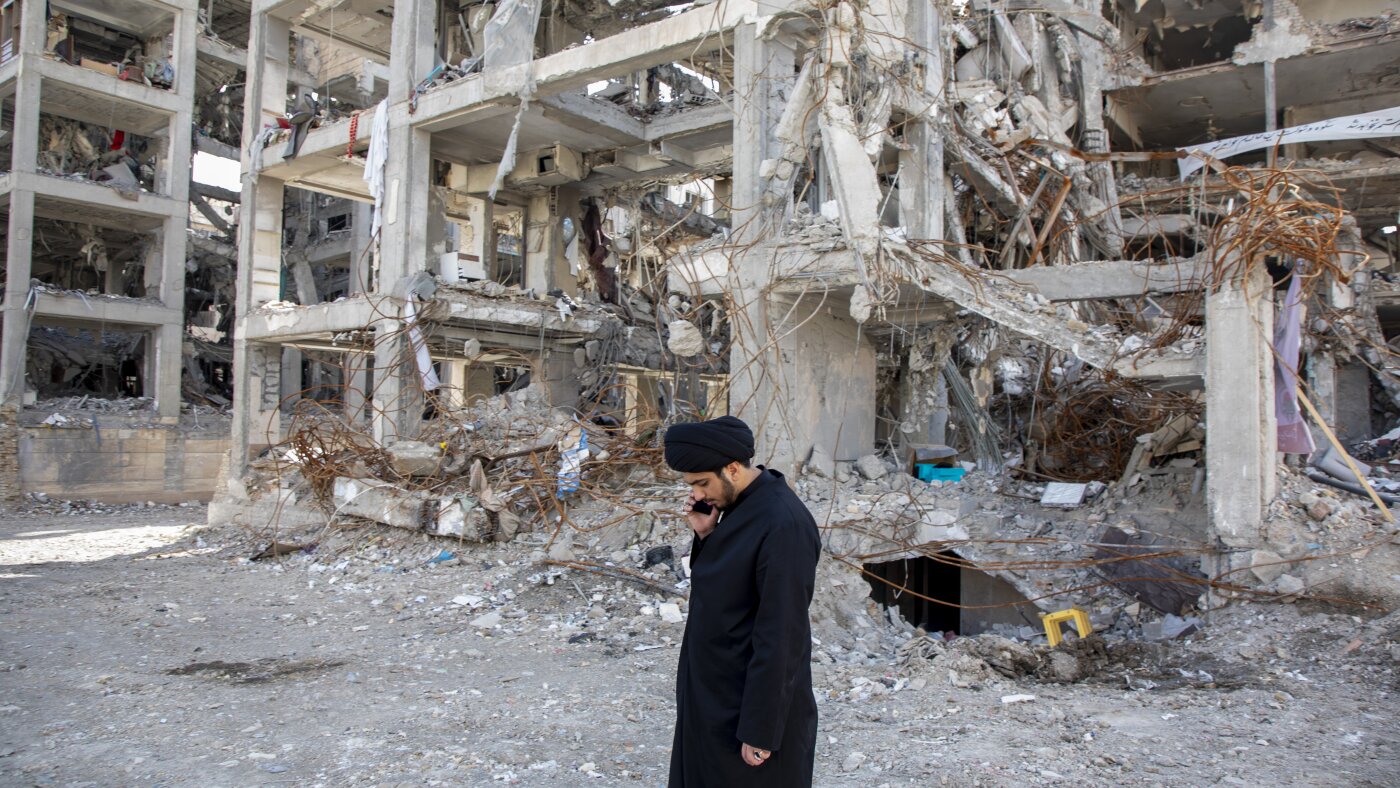
As the clock ticks, the international community is left to ponder whether the U.S. will engage in actions that could be classified as war crimes, targeting civilian infrastructure in Iran and potentially positioning the nation as an international pariah.
“Earlier we had threats that would amount to war crimes if committed, and now this morning we have a threat to commit what would plausibly be considered genocide,” remarked Brian Finucane, a senior adviser at the International Crisis Group and former human rights lawyer at the State Department.
Trump's rhetoric has intensified alongside the economic turmoil stemming from his military decisions regarding Iran. On March 21, he threatened to “obliterate their various POWER PLANTS” if Iran did not reopen the Strait of Hormuz within 48 hours. After a brief pause citing “productive” discussions—denied by Iran—he escalated his threats again on April 1, vowing to “[blast] Iran into oblivion or, as they say, back to the Stone Ages!!!”
On Sunday, he set the stage for Tuesday’s ultimatum with his most aggressive statement yet: “Tuesday will be Power Plant Day, and Bridge Day, all wrapped up in one, in Iran. There will be nothing like it!!! Open the Fuckin’ Strait, you crazy bastards, or you’ll be living in Hell - JUST WATCH! Praise be to Allah.”
With this latest post, Trump has crossed a line by framing his threats in terms of genocide. “I interpret these statements as a desire to wipe out the Iranian regime, regardless of collateral damage, showing a blatant disregard for international law,” said Pardiss Kebriaei, a human rights lawyer with the Center for Constitutional Rights. “You can’t kill civilians at any cost.”
The United Nations Genocide Convention defines genocide as actions intended to destroy a national, ethnical, racial, or religious group. This includes “deliberately inflicting on the group conditions of life calculated to bring about its physical destruction.” Trump's intent to target civilian infrastructure could fall under this definition.
When the U.S. codified the genocide convention into law, it included stipulations that require “specific intent” for actions to be classified as genocide. “That’s a high bar but [Trump’s] statement, if acted upon, would meet it,” noted Rebecca Ingber, an international law expert at Cardozo School of Law. “Intentionally targeting ‘all’ civilian infrastructure or civilians not directly involved in hostilities would also constitute war crimes.”
Trump’s social media post could serve as critical evidence should he or those following his orders face legal scrutiny for targeting Iranian civilians. “War crimes can be prosecuted anywhere under universal jurisdiction,” Kebriaei added. “Threatening indiscriminate attacks endangers both civilians and military personnel.”
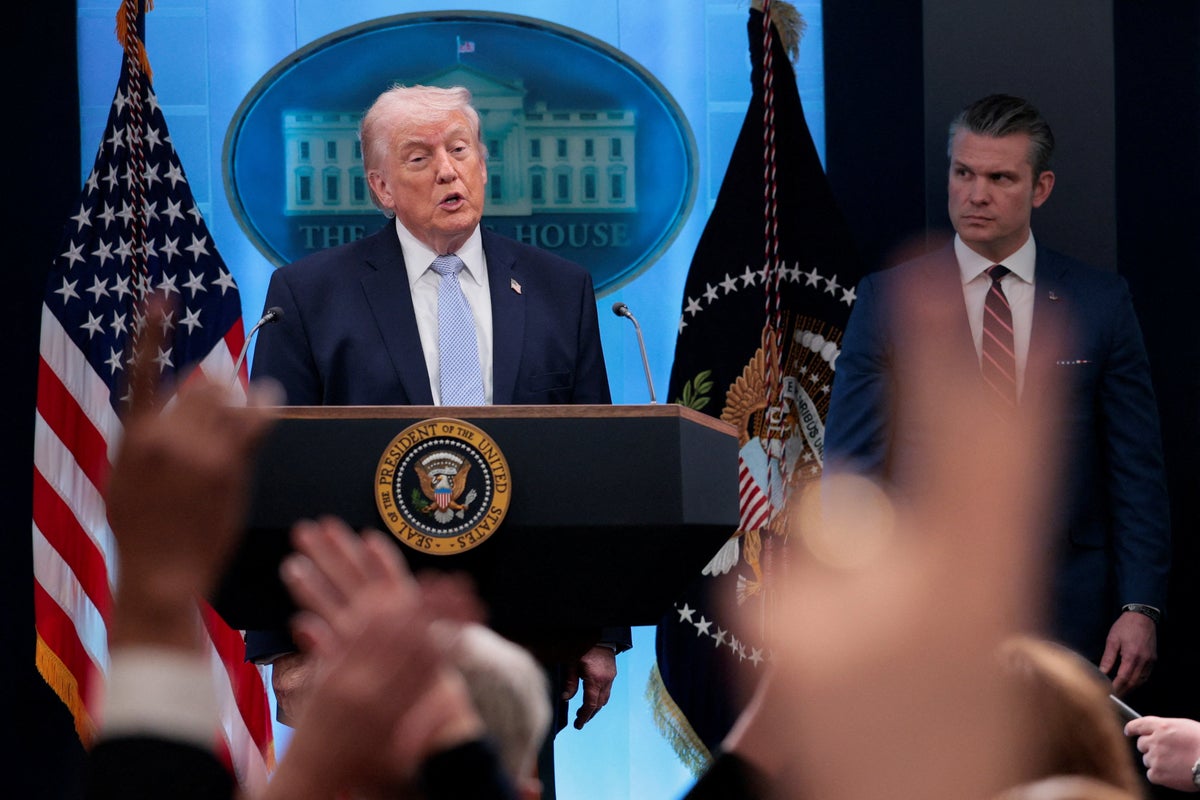
On Monday, when pressed on how bombing civilian infrastructure wouldn’t constitute a war crime, Trump dismissed concerns with a dehumanizing remark: “They’re animals.” This rhetoric echoes historical campaigns of genocide where targeted groups were labeled as less than human.

Similar language has emerged from U.S. ally Israel amid its conflict with Gaza. Israeli President Isaac Herzog suggested that all Gazans bear responsibility for the conflict, stating, “It’s an entire nation out there that is responsible.”
Despite his incendiary threats, Trump has yet to act on them. Analysts suggest these statements may be part of a broader strategy to compel Iran to reopen the Strait of Hormuz for oil transit. “The only way out of this mess is going to be a negotiated arrangement,” Finucane stated. “Widespread destruction of Iranian infrastructure is unlikely to lead Tehran to a deal.”
Even if Trump postpones military action again, his threats represent a significant moral failing for the United States. While the U.S. has a history of war crimes, presidents have typically refrained from openly endorsing such actions. Trump’s public acknowledgment of these intentions risks transforming the U.S. into a rogue state on the global stage.
If Trump’s threats are realized, it is not just Iran that faces destruction; it is a reflection of our own civilization at risk of moral decay.