Trump Vowed to Slash Energy Costs by Half, Yet Prices Soared Instead
WASHINGTON – As President Donald Trump prepares for a visit to Texas this Friday, he may want to sidestep the ambitious energy pledge he made while campaigning for a return to the White House.
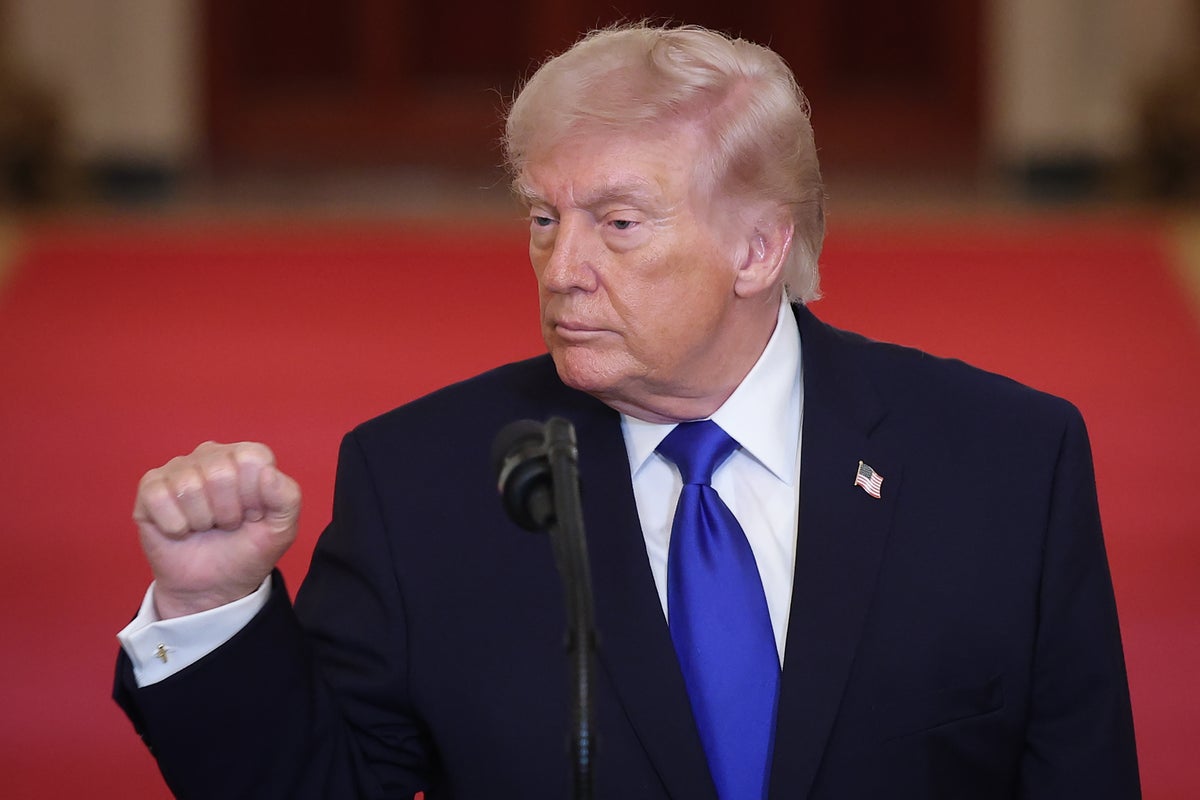
“Energy costs, all of it, air conditioning, heating, all of it, including gasoline, will drop by more than 50% within the first 12 months,” Trump declared during a campaign event in Pennsylvania in August 2024.
In a subsequent rally in North Carolina, he reiterated, “Under the Trump economic plan, we will cut your energy prices in half. Mark it down, you can get very angry at me if we don’t do it.”
Those who took note are likely feeling frustrated. Trump has not only failed to deliver on this promise but has seen energy prices rise instead. A recent analysis of federal data reveals that no energy-related commodity, including those he specifically mentioned, has seen a price drop of 50% compared to last year.
Sarah Longwell, a Republican consultant who conducts focus groups with Trump supporters, noted that rising energy costs are just one factor contributing to their disillusionment. “It’s groceries, healthcare, childcare, energy, education, housing, et cetera. Voters talk about all of them,” she explained. “It was the number one issue Trump was hired to fix and voters not only think he is failing but also that he’s not prioritizing the issue.”
Electricity prices have surged over 7% since Trump took office, according to data from the St. Louis Federal Reserve. Heating oil has seen a slight increase of half a percentage point, while natural gas prices have skyrocketed by 87% year-over-year.
The Fed’s “household energy” price index has risen by 6.6% overall.
“He lied,” stated Justin Wolfers, an economist at the University of Michigan. “Also this isn’t something presidents can do. He knows this.”
When approached for comment regarding Trump’s unfulfilled energy price promise, White House staff did not respond. Instead, spokesperson Taylor Rogers inaccurately claimed that energy costs were decreasing and criticized the policies of Trump’s Democratic predecessor.
“Unfortunately, left-wing governors and legislatures in blue states are still doubling down on Joe Biden’s failed and costly ‘Green New Scam’ policies, which are inflating energy prices and hurting families,” she asserted. “If these elected officials abandon their failed approach and embrace the president’s energy dominance agenda, their constituents would see lower costs as well.”
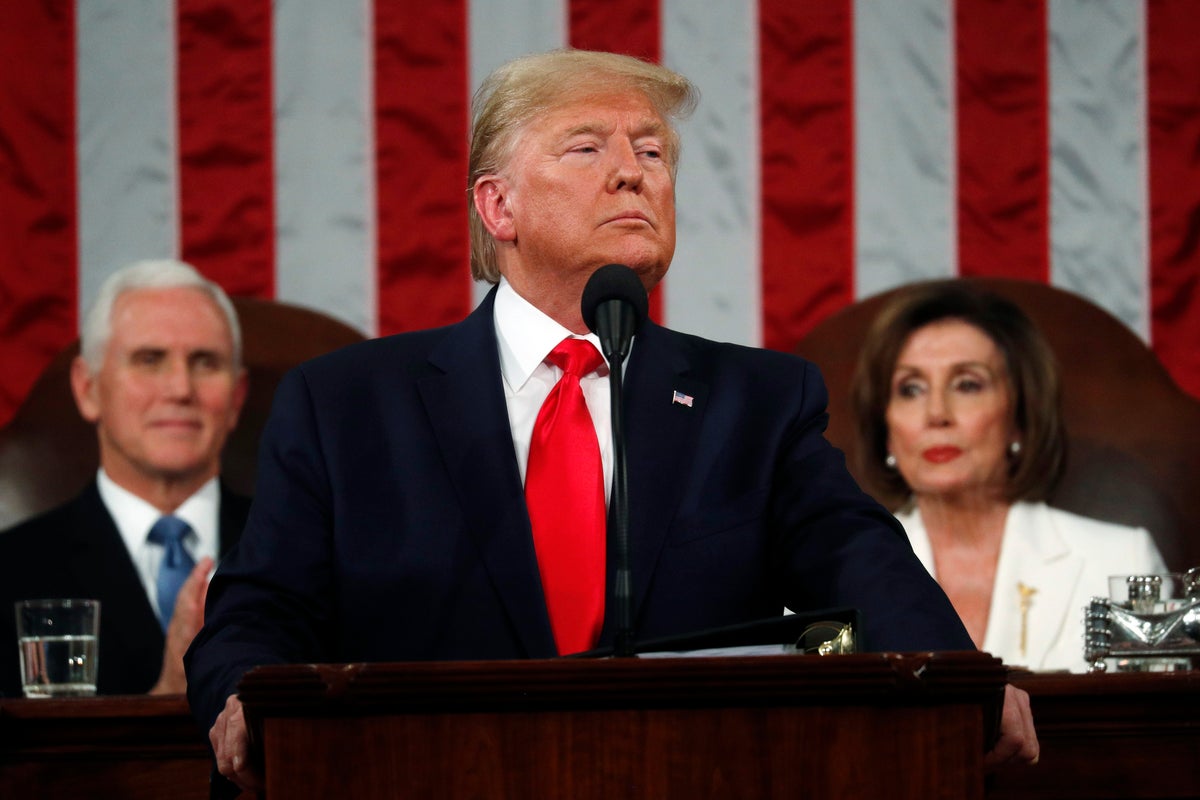
Trump himself has continued to assert that energy prices are falling, as he did during his recent State of the Union address. “Nobody can believe when they see the kind of numbers and especially energy, when they see energy going down to numbers like that,” he claimed, though his statements lack clarity and accuracy.
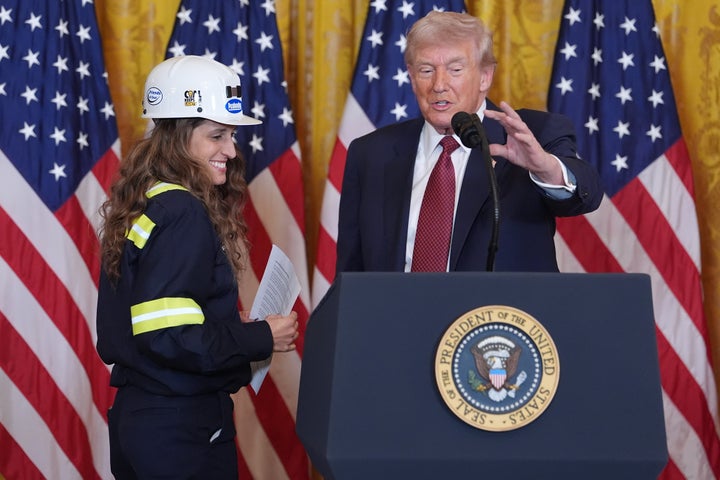
This Friday, Trump will be in Corpus Christi, an oil export hub, as part of a tour designed to showcase his focus on affordability. This visit comes just days before Texas's primary elections and is expected to highlight GOP candidates he has endorsed.
Trump and his allies frequently cite gasoline prices as evidence of his success—likely because it is the only energy commodity that has decreased in price during his first year back in office. Federal data indicates that gasoline prices fell by 9.6% since Trump took office, a decline many analysts attribute to OPEC increasing crude oil production last year.
However, this decrease in retail gas prices is part of a longer-term trend that began under Biden in late summer 2022. Recently, gas prices have begun to rise again, as is typical after winter holidays. This uptick has already negated nearly half of the price drop experienced during Trump's first year.
“This is just a continuance of what was already happening,” remarked Matt Randolph, a veteran oil industry executive.
Economists emphasize that oil operates as a global commodity; thus, even significant increases in domestic production would not drastically alter the prices refiners pay for gasoline.
“Energy is traded on global markets. So reducing the cost of energy means that he would have to add enough supply to push down global prices. The U.S. isn’t big enough to do that,” Wolfers explained. “But you know what would help? Allowing wind turbines to spin. Solar to be collected, et cetera.”
Jason Furman, a former top economist in the Obama administration and now a Harvard professor, concurred that Trump's dismantling of wind and solar initiatives in Biden’s Inflation Reduction Act has contributed to rising electricity prices. “Their big action was repealing energy credits from IRA which raised costs,” he noted.