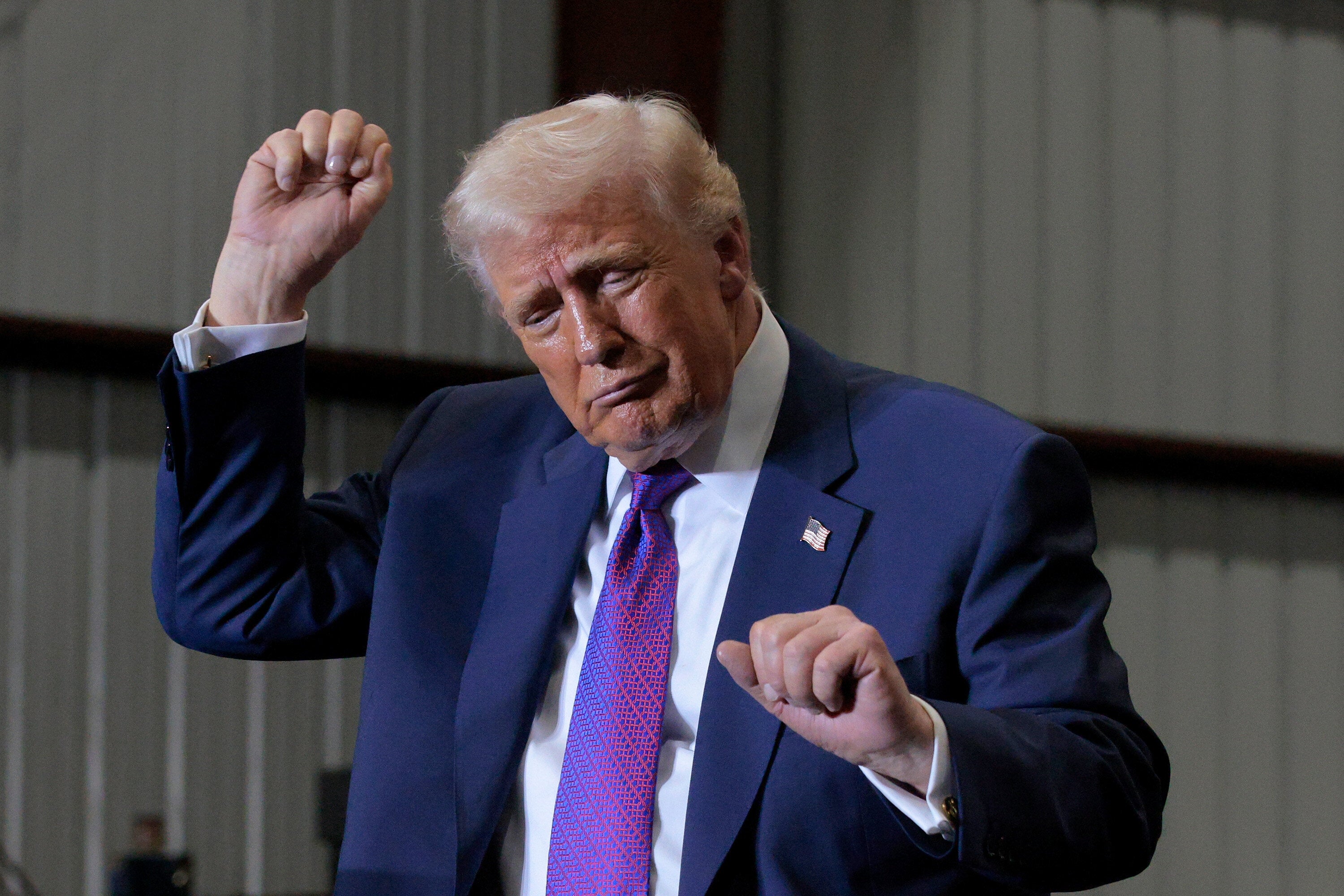
Trump, who railed against 'endless' conflicts, now escalates military action in Iran
Donald Trump’s journey to the presidency in 2016 was marked by a fierce critique of the Bush family, particularly regarding their involvement in Middle Eastern conflicts. His campaign capitalized on the discontent surrounding the Iraq War, which President George W. Bush initiated under the false pretense of weapons of mass destruction.
“The war in Iraq was a big, fat mistake,” Trump declared during a Republican debate in February 2016, reaffirming his long-held belief that Bush should have faced impeachment for his actions. “We can make mistakes,” he continued, “but that one was a beauty. We should have never been in Iraq.”
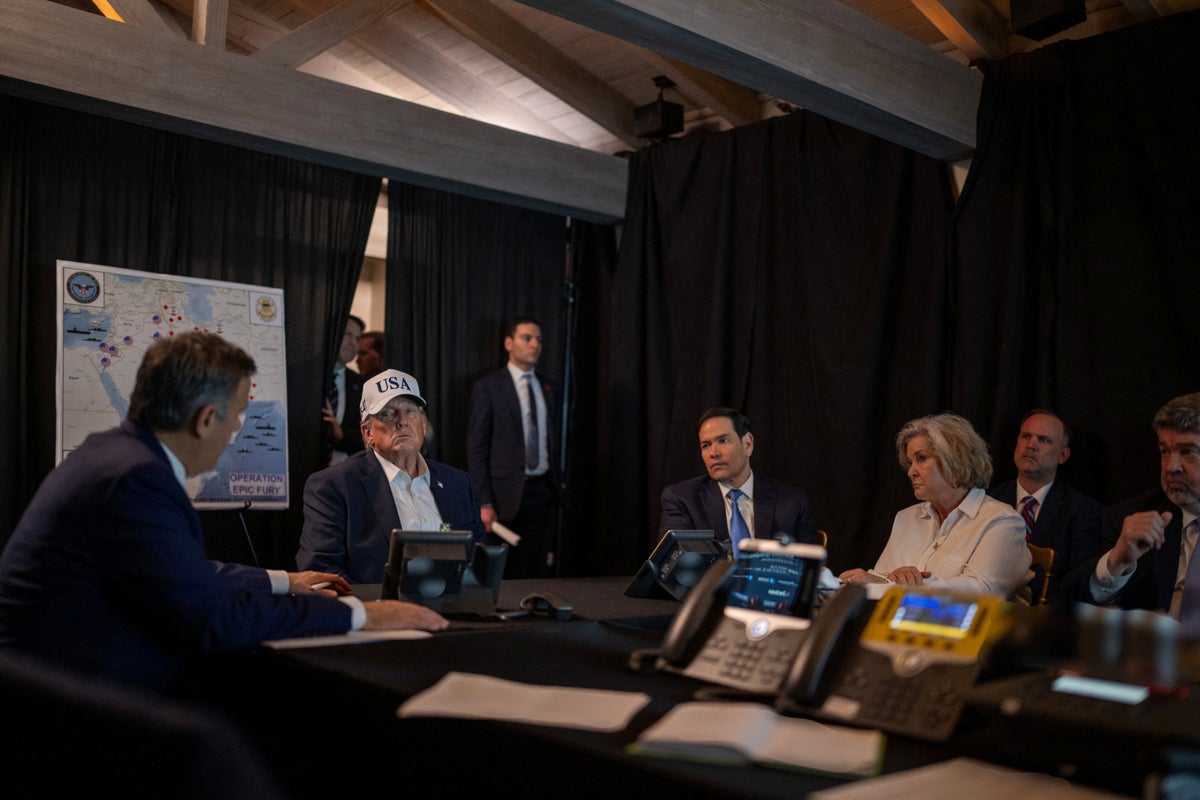
Fast forward to today, and Trump finds himself embroiled in military operations across multiple nations, including a recent strike in Venezuela aimed at capturing Nicolás Maduro. Now, with escalating tensions in Iran, Trump has initiated what could be the most significant U.S. military engagement since the post-9/11 conflicts in Iraq and Afghanistan—without seeking congressional approval.
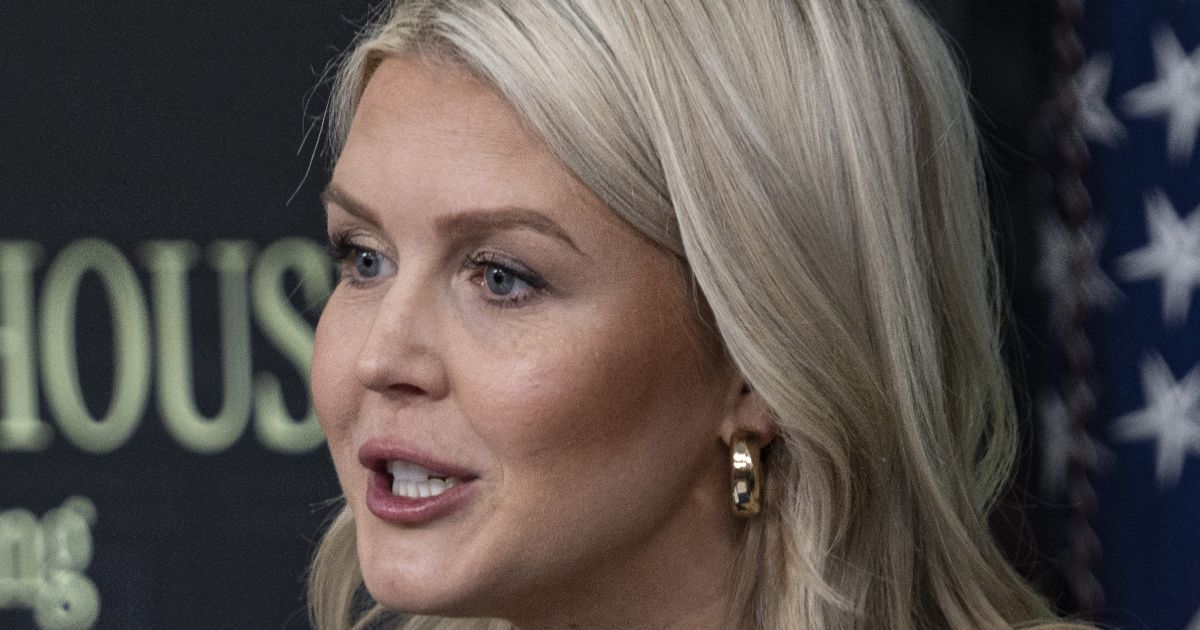
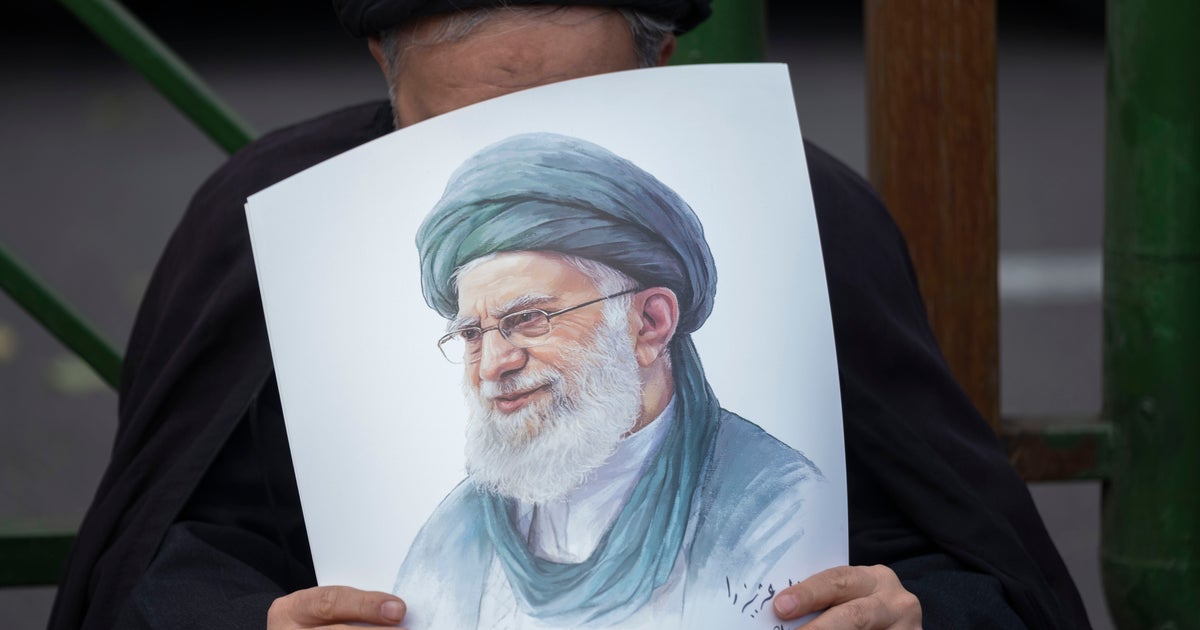
“President Trump’s courageous decision to launch Operation Epic Fury is grounded in a truth that presidents for nearly 50 years have been talking about, but no president had the courage to confront: Iran poses a direct and imminent threat to the United States of America and our troops in the Middle East,” stated White House press secretary Karoline Leavitt. She emphasized that the Iranian regime has caused significant harm to American citizens and soldiers over the years.
Trump’s bid for a second term in 2024 heavily relied on his record of not initiating new wars during his first term. His future vice president, JD Vance, noted in a January 2023 column that Trump had resisted pressures to engage militarily despite significant challenges.
“In Mr. Trump’s four years in office, he started no wars despite enormous pressure from his own party and even members of his own administration,” Vance wrote, highlighting the contrast between Trump’s approach and that of previous administrations.
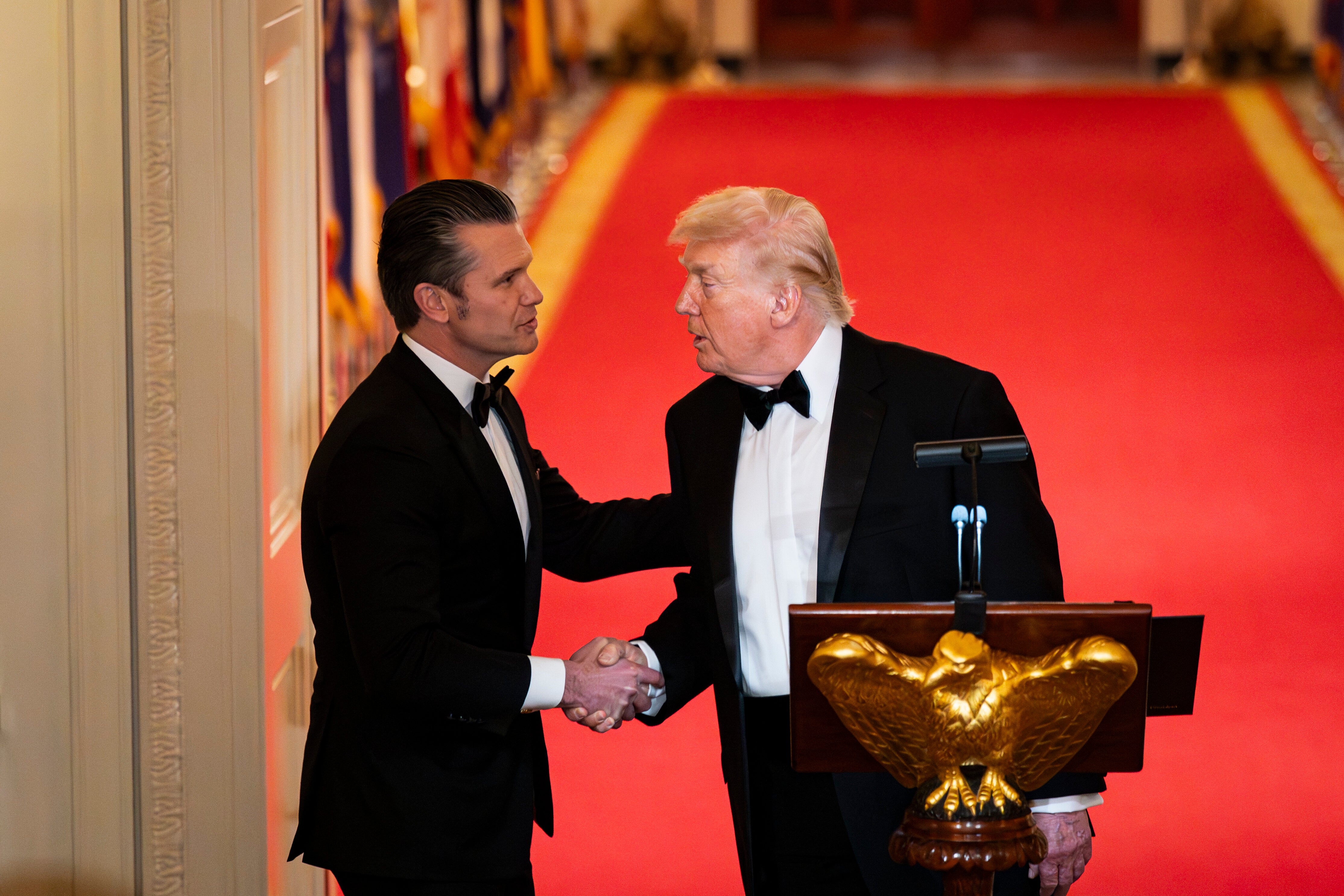
During a recent briefing, Defense Secretary Pete Hegseth dismissed concerns that Iran could become another Iraq, assuring that the conflict would not devolve into an “endless” war. However, Trump hinted at a longer engagement than initially anticipated.
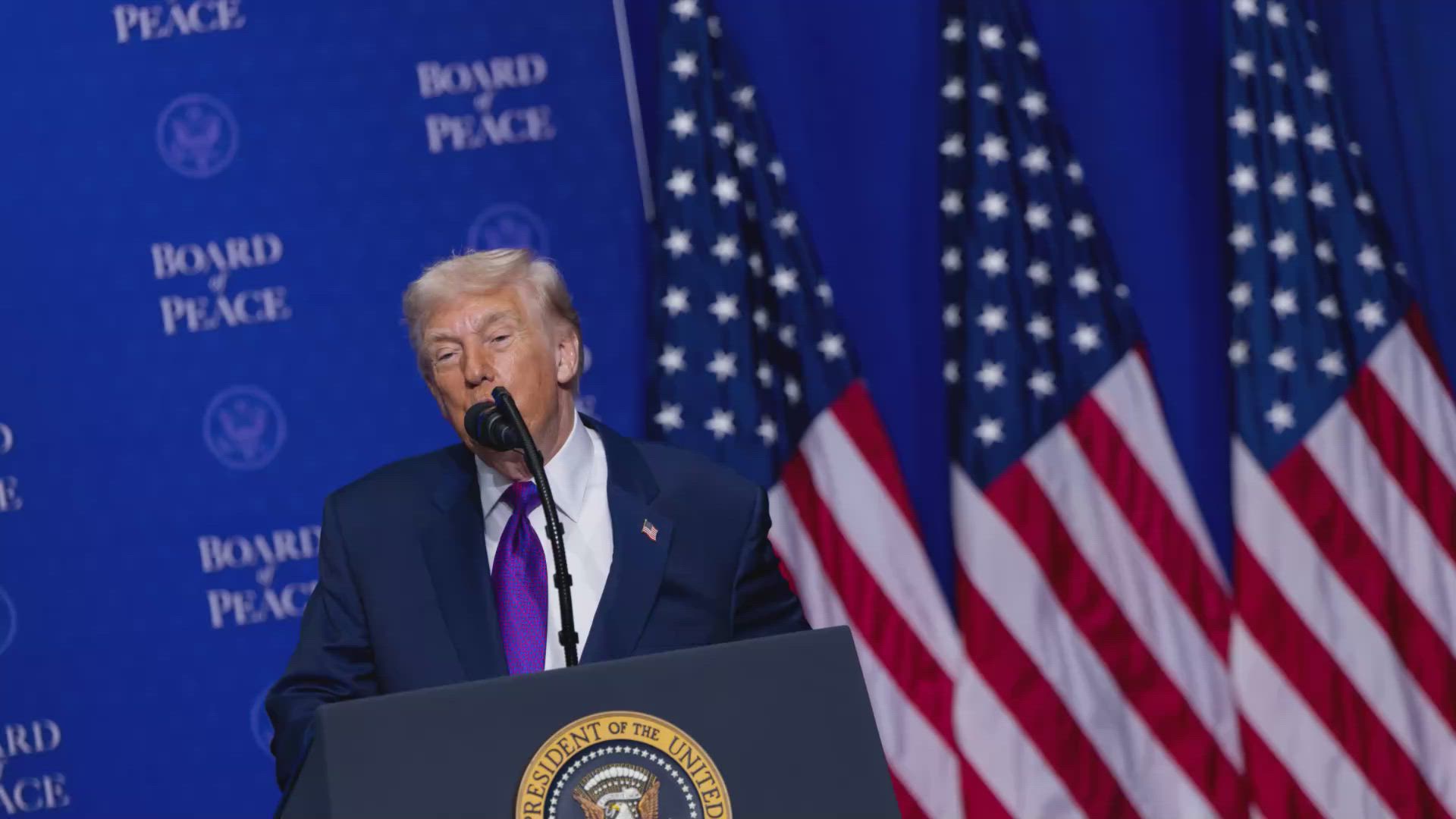
“Right from the beginning, we projected four to five weeks,” Trump remarked at a Medal of Honor ceremony. “But we have capability to go far longer than that. … I don’t get bored. There’s nothing boring about this.”
Trump outlined four key objectives for Operation Epic Fury: degrading Iran’s missile capabilities, dismantling its navy, preventing it from acquiring nuclear weapons, and curtailing its support for proxy forces.
The initiation of hostilities with Iran follows closely on the heels of military actions in Venezuela. Trump has also hinted at potential interventions in Cuba, suggesting a multi-front engagement for U.S. forces.
Despite years of pledging to avoid new conflicts, Trump has maintained a hardline stance against Iran, having previously abandoned the nuclear agreement established by his predecessor and ordering the assassination of Iranian General Qassem Soleimani.
Throughout his political career, Trump has consistently warned against allowing Iran to develop nuclear capabilities. A White House official noted that he has reiterated this stance “no fewer than 33 times” since taking office.
Trump’s skepticism towards foreign military interventions predates his presidency. He criticized both Bush’s invasion of Iraq and Obama’s military strategies as politically motivated maneuvers.
“In order to get elected, @BarackObama will start a war with Iran,” he tweeted in November 2011, predicting military action as a means to bolster his approval ratings.
His 2016 campaign successfully attracted voters disillusioned with traditional interventionist policies, promoting an “America First” agenda that rejected neoconservative foreign policy approaches.
“As a candidate for president, I pledged a new approach,” Trump stated during his 2019 State of the Union address. “Great nations do not fight endless wars.”
Jeb Bush served as a convenient target during Trump’s primary campaign, yet Trump had to navigate his own past support for the Iraq invasion when questioned about it years later.
“I think that people knew that there were no weapons of mass destruction,” he said during a February 2016 interview. “They didn’t prosecute the war well.”
While Trump’s first term included some military strikes, he and his supporters often highlighted that no new wars were initiated under his watch—a point they took pride in.
“Does the USA want to be the Policeman of the Middle East?” Trump questioned on social media in December 2018 while announcing troop withdrawals from Syria. “Time for others to finally fight.”
In subsequent statements, he reiterated that nations must determine their own futures without relying on U.S. military intervention.
Now, however, Trump is openly contemplating ground troop deployments in Iran. “I don’t have the yips with respect to boots on the ground,” he told an interviewer recently.
As of now, six U.S. service members have lost their lives during operations in Iran—a stark contrast to the anti-war narrative that characterized his 2024 campaign.
The campaign began with Vance framing Trump as someone who would not recklessly send Americans into foreign conflicts. It culminated with targeted messaging aimed at young male voters concerned about potential drafts amid global tensions.
In late October 2024, Trump's team amplified concerns voiced by journalist Peter Hamby regarding young men worried about being drafted into conflicts. In social media posts leading up to Election Day, adviser Stephen Miller warned that a Democratic victory would lead to widespread military conscription.
“If you vote for Kamala, Liz Cheney becomes defense secretary,” Miller cautioned, painting a dire picture of potential military engagements under a Democratic administration.