U.S. Drug Trafficking Charges Force Mexican Governor and Mayor to Step Down
MEXICO CITY — In a stunning political shake-up, two prominent figures from President Claudia Sheinbaum’s party in Sinaloa are stepping down after the U.S. indicted them for drug trafficking alongside eight others, including politicians and security officials.
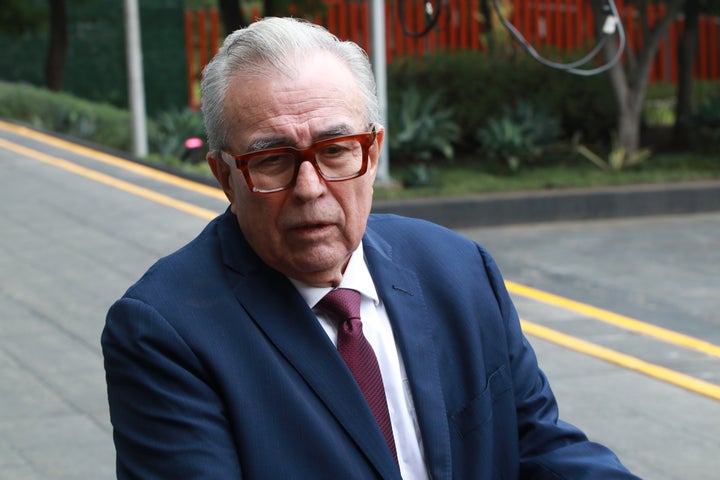
Governor Rubén Rocha Moya, the highest-ranking official caught in this scandal, took to social media at midnight to vehemently deny claims that he provided protection to the notorious Sinaloa cartel, facilitating drug smuggling into the U.S. for cash and political favors.
“My conscience is clear,” Rocha declared, a 76-year-old veteran of Mexican politics and ally of former President Andrés Manuel López Obrador. “I can look my people in the eye because I have never betrayed you, and I never will.” Yet, he announced a temporary leave of absence to fight what he labeled “false and malicious” accusations while cooperating with ongoing investigations.
Joining him in this political fallout is Juan de Dios Gámez Mendívil, the mayor of Culiacán, who also plans to step back from his role while denying any wrongdoing. Meanwhile, Senator Enrique Inzunza, another implicated member of the ruling Morena party, has opted to remain in his Senate seat as he battles the charges.
In a swift move, the local congress appointed Yeraldine Bonilla Valverde as interim governor, a Rocha ally who previously held the position of state secretary. Rocha’s leave of absence was approved for 30 days.
Both Rocha and Gámez Mendívil had enjoyed immunity from prosecution while in office, but stepping down strips them of that protection. “They can be detained like any person,” warned Arturo Zaldívar, a former Supreme Court justice now advising Sheinbaum.
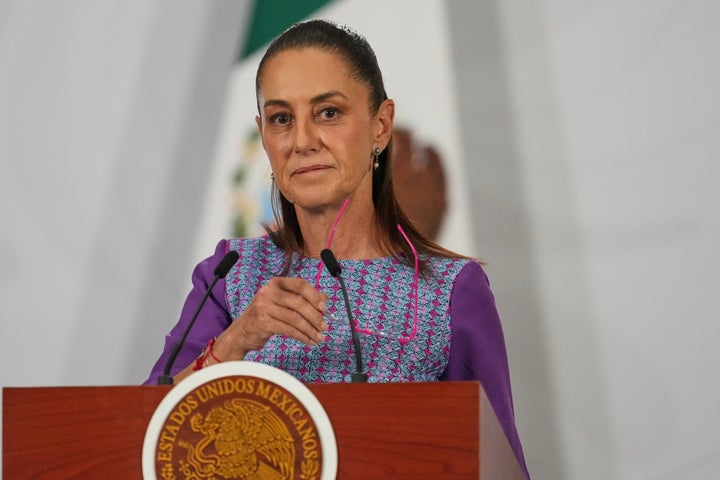
Sheinbaum faces a tightrope walk between her progressive agenda and pressure from U.S. authorities to intensify the war on cartels. In a statement reflecting her party’s commitment to combat corruption, she asserted she wouldn’t defend anyone found guilty of crimes.
However, she fiercely defended Mexico’s sovereignty, insisting that if evidence emerges linking the indicted officials to cartel activities, they would face trial in Mexico—not the U.S.—a stance that could provoke backlash from an American administration eager for military action against cartels.
“We will never subordinate ourselves because this is a matter of the dignity of the Mexican people,” she proclaimed.
Residents in Sinaloa, plagued by cartel violence, expressed relief at the indictment and the officials’ resignations as a step toward accountability. “We are in an ungovernable state where the same party and the same governor essentially gave free rein to what has become a violent situation,” lamented Raquel Campos, a doctor in Culiacán. “Unfortunately it was another country that had to take action.”
The Mexican attorney general’s office has stated it will not arrest Rocha or the other accused officials pending investigation, despite U.S. requests.
Rocha, known for his “hugs not bullets” approach to organized crime—a strategy championed by López Obrador—claims this indictment is a politically motivated attack on Morena. “I will not allow myself to be used to harm the movement to which I belong — one that has improved the lives of millions of Mexican men and women,” he asserted.
Born in the same town as infamous drug lord “El Chapo,” Rocha has faced similar scandals before. In 2024, he was mentioned in a letter from a Sinaloa cartel leader who was kidnapped by rivals and later handed over to U.S. authorities. The letter indicated he was en route to meet Rocha when abducted.
“It’s an open secret,” said Sergio Estrella, a shopkeeper in Culiacán, regarding the alleged collusion between drug lords and high-ranking officials. “The government needs to take a different tack, to recognize how deeply drug trafficking is embedded in politics.”