

Venezuelan Bankers Stuck Behind Bars Despite Court Ruling, Exposing U.S. Influence Limitations
Two Venezuelan bankers, Carmelo and Daniel De Grazia, continue to languish in a Caracas prison, defying a court's directive for their release. This situation highlights the ongoing challenges within Venezuela's legal system and casts doubt on the effectiveness of U.S. influence in the region following the political upheaval that ousted Nicolás Maduro.
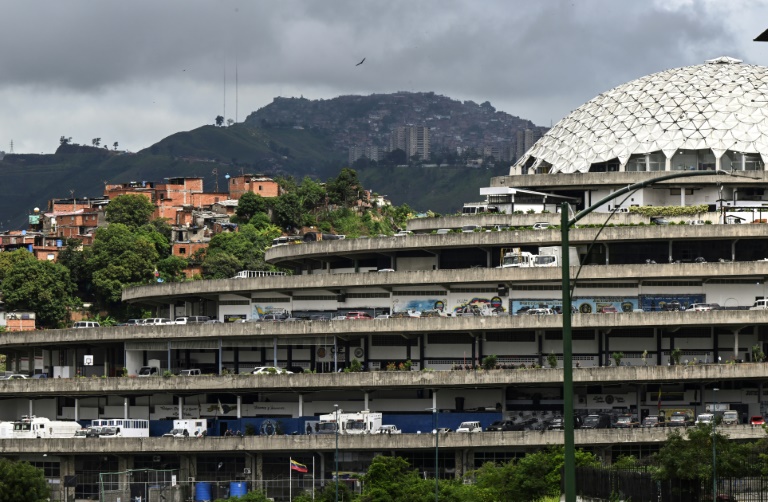
Arrested in April 2024, the De Grazia brothers were ordered to be moved to house arrest by a Venezuelan judge on March 16. Yet, prison officials have ignored this ruling, keeping them confined in Rodeo I prison.
"It indicates to me that there is still no rule of law in Venezuela, that we don't know who's in control," remarked attorney Raul Valdes-Fauli, who represents the family in the United States.
The brothers face accusations from the Maduro government of involvement in a staggering $21 billion money-laundering operation linked to Petróleos de Venezuela, the state oil company. Allegations suggest they utilized cryptocurrency transactions to circumvent U.S. sanctions. The De Grazia family vehemently denies these claims, and prosecutors have yet to provide any substantial evidence to back their assertions.
Conditions in detention have reportedly worsened. "My father went into prison... weighing close to 190 pounds, and now he weighs less than 120 pounds," stated Carmelo De Grazia Parra, expressing grave concerns for his father's health.
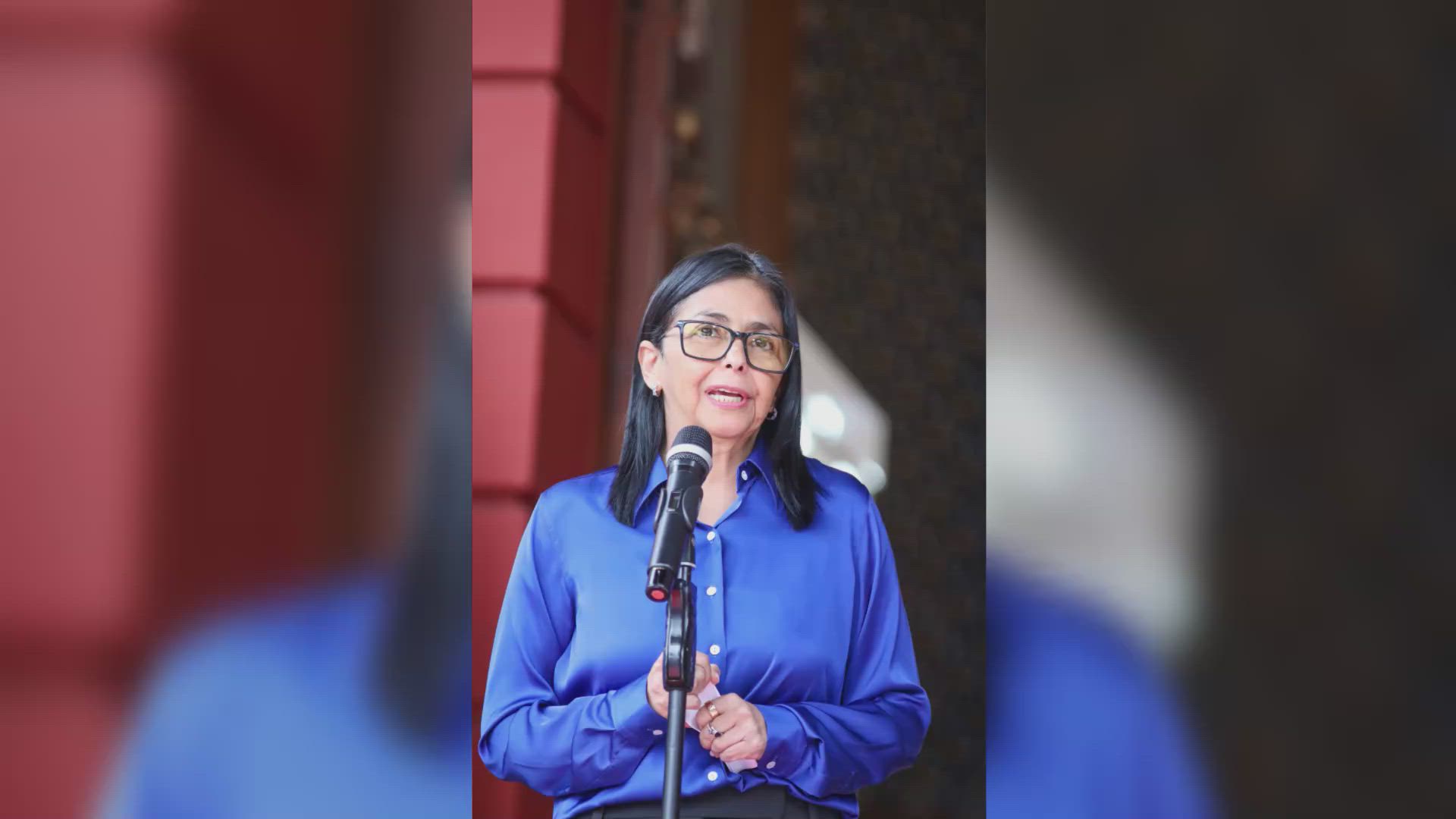
This case has become emblematic of broader issues surrounding Venezuela's political landscape under interim President Delcy Rodríguez. While U.S. officials have characterized her administration as a stabilizing force post-Maduro, analysts highlight significant internal rifts that hinder cohesive governance.

Political analyst Andres Oppenheimer recently pointed out in an Op-ed that Rodríguez has solidified her grip on essential institutions while reaping benefits from increased oil revenues due to relaxed U.S. sanctions. "Delcy Rodriguez won't leave if she's not forced to do so," noted Polga-Hecimovich during discussions with Oppenheimer. "She's not a small-d Democrat. She never believed in elections. She never believed in democracy. Why would she suddenly believe in them now?"
Observers argue that the De Grazia case exemplifies the limitations of U.S. leverage in Venezuela. "This show of force tells you who owns the imprisonment," journalist Francisco Poleo commented, suggesting that resolving such matters may necessitate negotiation rather than direct intervention.
For U.S. officials, this predicament presents a paradox. While the administration has asserted its role in guiding Venezuela's transition and economic recovery, incidents like this reveal that authority remains fragmented and elusive. As Valdes-Fauli articulated, "If the Trump administration's going to take control of Venezuela... they should try to clean the country up, too."
© 2025 Latin Times. All rights reserved. Do not reproduce without permission.