


“A Complete Catastrophe”: Troops Voice Concerns as Trump Escalates Iran Conflict
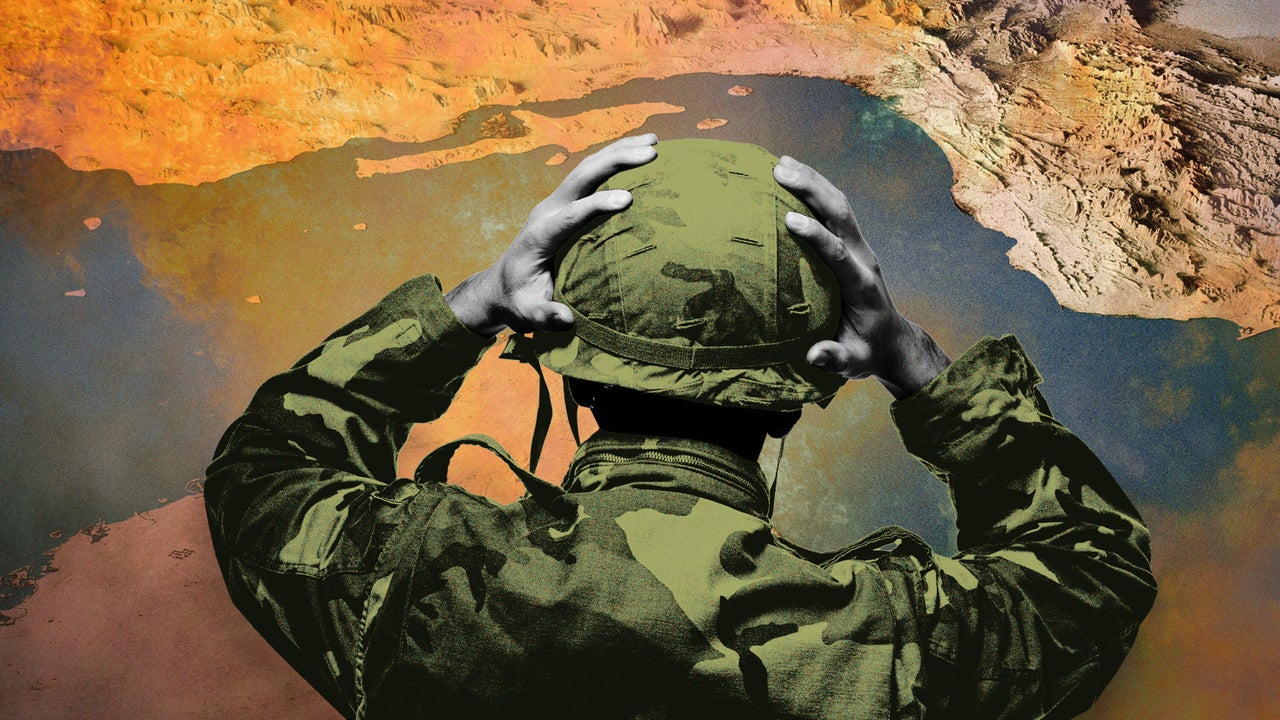
As the conflict between the U.S. and Iran escalates, President Trump has ordered the deployment of thousands more sailors and Marines to the Middle East, prompting a wave of apprehension among the troops involved.
Active duty soldiers and reservists, speaking anonymously due to fears of repercussions, have reported feelings of vulnerability, overwhelming stress, and disillusionment, with some contemplating leaving the military altogether. Advocacy groups focused on service members have noted a significant uptick in these sentiments.
A military official treating evacuated service members at Landstuhl Regional Medical Center in Germany highlighted the dire situation, citing “inadequate force protection and planning.” The toll from Iranian missile strikes has been severe: thirteen troops have died, seven from direct attacks, and over 232 have sustained injuries.
“A ground operation would be an absolute disaster… we don’t have a plan for that,” the official stated earlier this week. “We can’t even fully defend a single land base in the theater.”
Concerns about morale are echoed by a veteran reservist mentoring younger officers, who reported that many service members are expressing a profound loss of faith.
“I’m hearing out of service members’ mouths the words, ‘We do not want to die for Israel — we don’t want to be political pawns,’” she remarked. Another reservist corroborated this sentiment, noting similar conversations among current troops.
“In my nearly 20 years of service, I’ve never had people reach out about conscientious objector information as much as I have in the past two weeks,” she added.
Mike Prysner, executive director of the Center on Conscience and War, reported a staggering 1,000% increase in inquiries from troops seeking information on conscientious objection since March began. He noted that his organization is now processing “expedited” applications from Army, Navy, and Marine personnel facing imminent deployment.
Matt Howard, co-director of About Face: Veterans Against The War, emphasized that many active-duty troops are becoming increasingly aware of their options for dissent.
“Folks have more options than they think they do,” Howard explained. “The military makes it seem like there is only one route through their contract, but there are consequences for choosing otherwise.” He noted a growing number of service members exploring conscientious objector status.
Despite these rising concerns, there is no indication of a mass exodus from the U.S. military’s 1.3 million personnel. Sources describe a mix of anger and resignation among many troops.
While some service members have long anticipated a conflict with Iran, viewing it as justified due to the country’s history of attacks on U.S. forces, dissatisfaction with the current campaign could hinder its success and signal a shift in attitudes within the military that may impact national security.
The absence of a clear rationale for the Iran conflict has emerged as a significant source of discontent among troops, who feel that they are being placed in harm's way without a strategic purpose.
Iran’s retaliatory actions have also affected wealthy Gulf nations hosting U.S. forces, which had previously been considered low-risk deployments. Former Army Major Harrison Mann remarked that such locations were once thought to be safe havens.
“It does not enter your mind that that becomes a warzone,” Mann stated.
As attacks on military facilities increase, commanders are struggling to address the heightened anxiety among troops, with some refusing to respond to calls for shelter during attacks.
Troops seeking to leave the area now express concerns that differ from those voiced in previous heightened tensions; one service member noted that witnessing destruction up close is far more alarming than random indirect fire incidents.
Broader concerns regarding U.S. military strategy are also influencing troop morale. Many service members now considering conscientious objection cite the February 28 strike on a school in Minab, Iran, which resulted in at least 175 deaths, including many schoolgirls, as a pivotal moment.
Shifting attitudes toward U.S. involvement in the Middle East are evident among troops, particularly regarding Israel. Many express hesitance about participating in operations perceived as politically motivated, especially in light of the devastation caused by U.S.-backed Israeli actions in Gaza since 2023. A recent poll indicated that 63% of voters under 34 now view Israel negatively, a significant increase from previous years.
Veterans are increasingly warning that Washington may be heading toward another costly quagmire reminiscent of Iraq and Afghanistan. One reservist noted that younger troops are more receptive to discussions about past military failures due to greater access to information through social media.
The Trump administration’s handling of military personnel has also raised alarms among service members.
“It’s not just Iran; prior issues include National Guard deployments in American cities and potential use against civilians,” Howard stated. “This moment is destabilizing as the military is being used as a tool for an authoritarian agenda.”
Experts on civil-military relations have criticized these deployments and potential violations of international law related to ongoing U.S. military actions against alleged drug trafficking vessels in international waters.
A reservist in regular contact with fellow service members expressed concern over Defense Secretary Pete Hegseth’s efforts to suppress diversity initiatives within the armed forces: “It feels like he doesn’t want us to learn or grow — just to fight.”
“We’re seeing the direction this is heading,” another reservist remarked, noting Trump’s willingness to engage militarily against Iran and other nations despite his previous campaign promises against war. “If this doesn’t align with your career goals or values, I would advise getting out.”