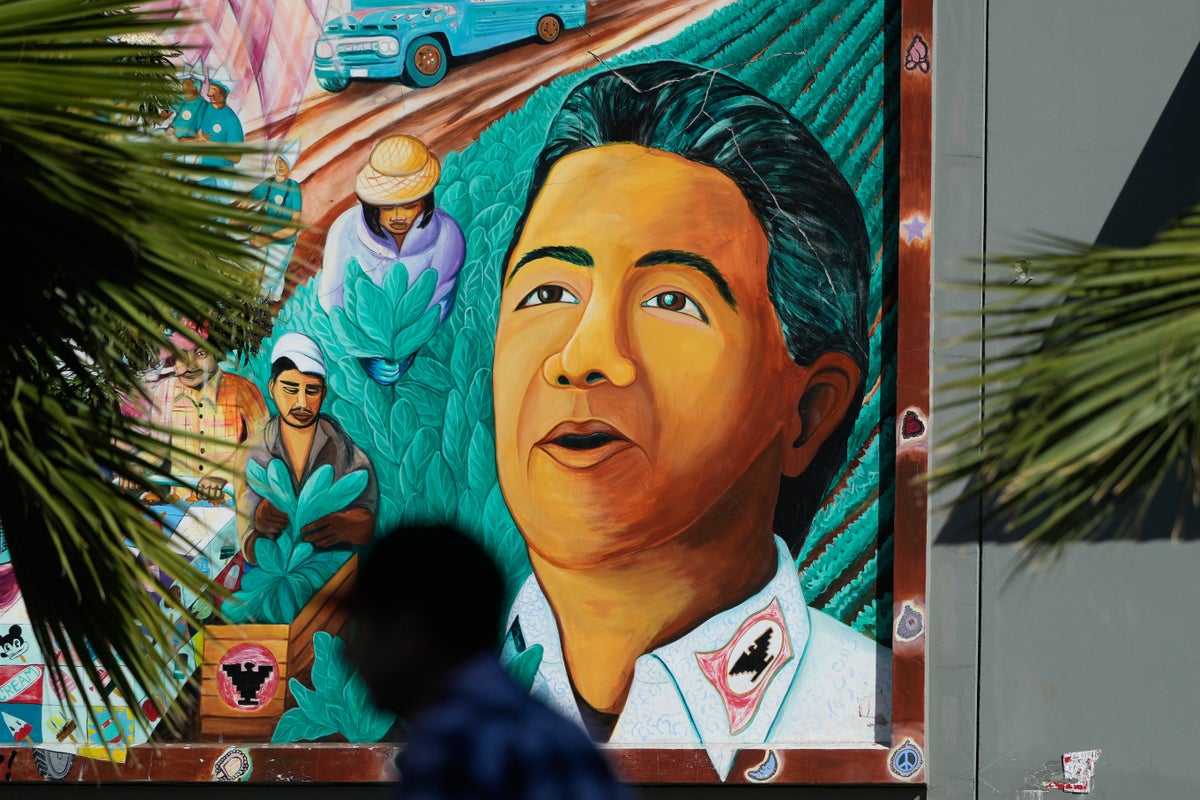
Mary Rose Wilcox and her husband stood shoulder to shoulder with César Chavez, marching and fasting in solidarity. They played pivotal roles in establishing a radio station in Phoenix and adorned their Mexican restaurant with images and a mural celebrating the revered Latino figure.
When Wilcox's daughter delivered the news of sexual abuse allegations against Chavez, it struck her like a blow. The couple swiftly removed Chavez's photographs from their restaurant walls, planning to obscure the mural that once honored him.
“We love César Chavez. But we cannot honor him and we cannot even love him anymore,” expressed Wilcox, a former member of the Phoenix City Council.
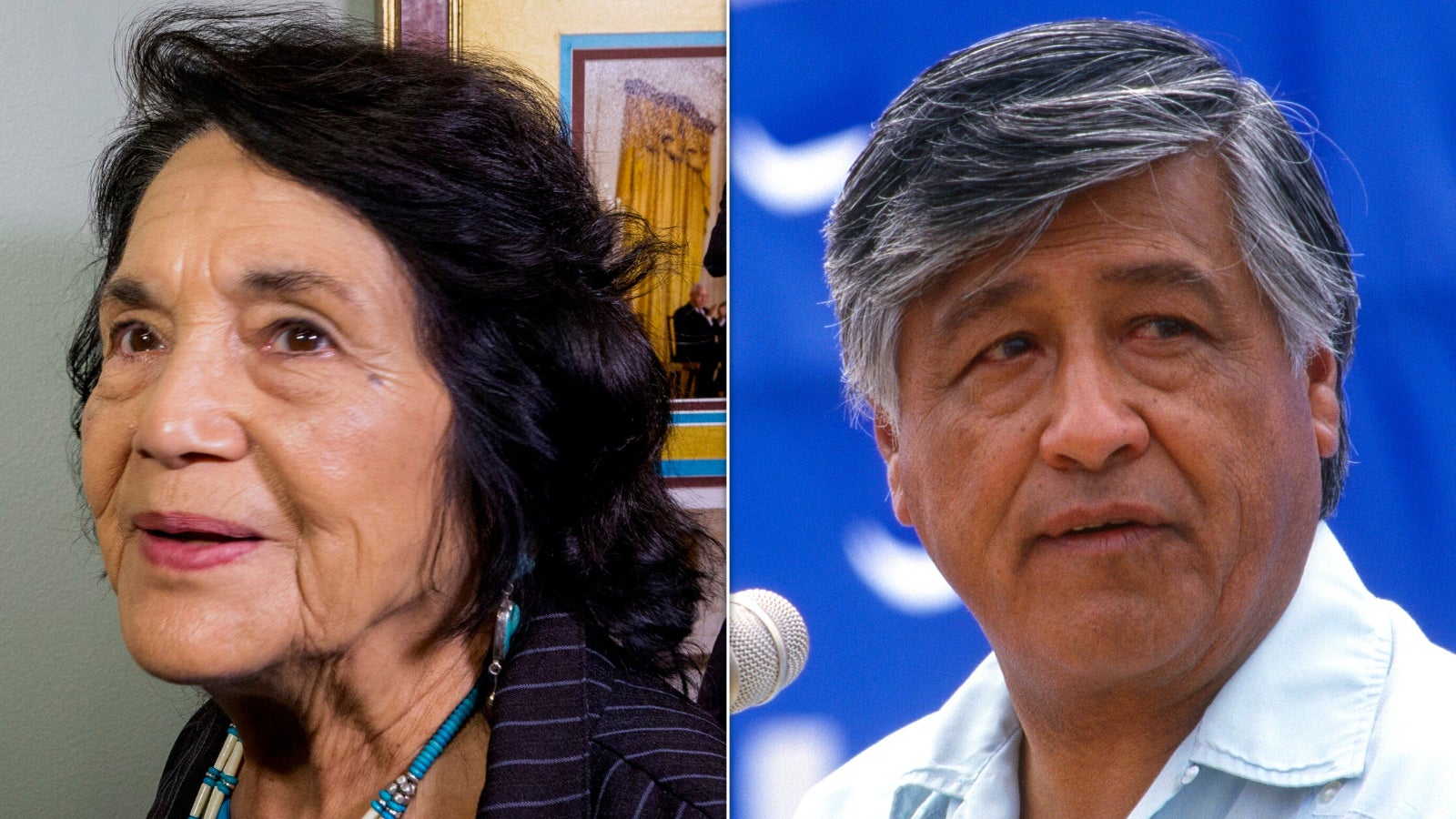
Many individuals, like Wilcox, are now faced with reconciling the legacy of a man who dedicated his life to advocating for farmworkers' rights with the shocking claims of sexual misconduct involving young girls and Dolores Huerta, co-founder of the United Farm Workers of America.
Community leaders and organizations have condemned the alleged abuse, labeling it unacceptable. However, they stress that the farmworker movement transcended any single individual. Chavez passed away in California in 1993 at the age of 66.
Calls have emerged to reconsider memorials dedicated to Chavez, who played a crucial role in securing improved wages and working conditions for farmworkers during the 1960s. The California Museum announced plans to remove Chavez from its Hall of Fame, a first in its history.
Local and state officials from both political parties have urged communities to forgo traditional celebrations of Chavez's birthday on March 31, suggesting renaming buildings and streets that bear his name. Events honoring Chavez in San Francisco, Texas, and Arizona have already been canceled at the request of the Cesar Chavez Foundation.
Huerta, a prominent figure in labor rights herself, revealed in a statement that she remained silent for six decades out of fear that speaking out would harm the farmworker movement. She disclosed that she was unaware of Chavez's actions toward other women.
In her account, Huerta described two encounters with Chavez—one where she felt “manipulated and pressured” and another where she was “forced against my will.” Both incidents resulted in pregnancies that she kept secret, arranging for the children to be raised by others.
Joining forces with Chavez in 1962, Huerta co-founded the National Farm Workers Association, which evolved into the United Farm Workers of America. Their partnership is often likened to that of civil rights icons Martin Luther King Jr. and Rosa Parks due to their advocacy for racial equality and civil rights.
The allegations were first reported by a major news outlet, which uncovered claims that Chavez groomed and sexually abused young girls involved in the movement. Huerta also disclosed to the publication that she was a victim of this abuse in her 30s.
Chavez is nationally recognized for his early organizing efforts in agricultural fields, his hunger strikes, grape boycotts, and ultimately achieving negotiations for better wages and working conditions for farmworkers.
Numerous streets, schools, and parks across the Southwest carry Chavez’s name. California was the first state to officially recognize his birthday, and in 2014, then-President Obama designated March 31 as national César Chavez Day. President Biden even installed a bronze bust of Chavez in the Oval Office upon taking office.
Neither Biden nor Obama has commented on the recent allegations, while California Governor Gavin Newsom stated he is still processing the information.
Miriam Pawel, a seasoned journalist who authored a biography on Chavez, noted that he was a figure of contradictions even during his leadership. Abusive behaviors existed within the union, yet many refrained from speaking out because they believed it was essential for protecting farmworkers.
“For many years, even when they witnessed troubling behavior, they chose silence,” Pawel remarked.
Born in Yuma, Arizona, Chavez grew up in a Mexican American family that traveled throughout California harvesting seasonal crops like lettuce, grapes, and cotton.
The Chavez family expressed their devastation over the allegations in a statement.
“We wish peace and healing to the survivors and commend their courage to come forward. As a family rooted in values of equity and justice, we honor those who feel unheard and report sexual abuse,” they stated.
The Cesar Chavez Foundation pledged unwavering support for the victims of the labor leader on Wednesday and announced plans—alongside the Chavez family—to redefine its identity moving forward.
The United Farm Workers union quickly distanced itself from annual celebrations honoring its founder, labeling the allegations as troubling.
Wilcox reflected on how Chavez helped elevate awareness about the importance of workers at all levels through marches and legislative advocacy. It was painful for her to dismantle the cherished images that had drawn visitors to their restaurant.
“There’s two things: Chavez the man and Chavez the man who we didn’t know," she said. "And the one we knew did good things; but the one we did not know feels like a monster.”