
‘All Options Are On The Table’: Authorities Brace For Trump’s 2026 Election Maneuvers
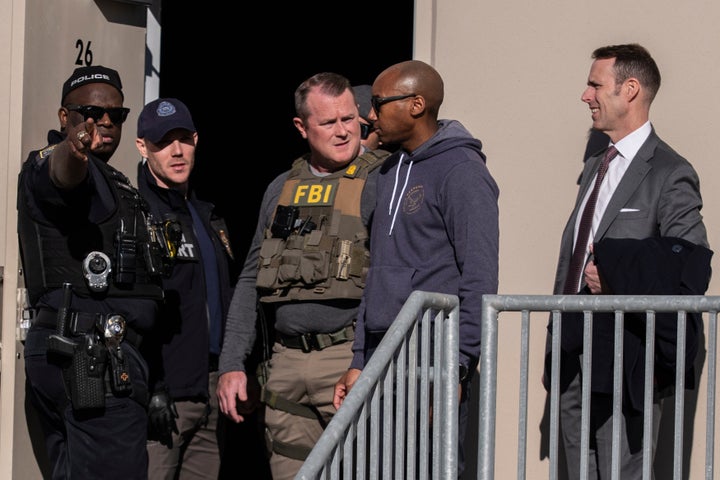
On January 28, the Department of Justice executed a raid on election offices in Fulton County, Georgia, seizing ballots and related materials from the 2020 election. This action marked a significant escalation in former President Donald Trump’s ongoing claims of election fraud, raising alarms that he may be laying groundwork for further electoral manipulation.
Richard Hasen, an election law expert at UCLA, suggested that the raid served as a “test run” for potential disruptions in the upcoming 2026 midterm elections. The implications of this raid extend beyond past grievances; it signals a troubling possibility that Trump could attempt to undermine the electoral process once again.
Since his political debut in 2015, Trump has consistently alleged, without evidence, that every election he participated in was tainted by fraud. During his second term, he has sought to leverage federal authority to combat this unfounded narrative, aiming to restrict voting rights and exert control over state electoral processes. This has led to widespread apprehension regarding his potential interference in the 2026 midterms, with fears of deploying the National Guard, surrounding polling places with immigration enforcement, or even declaring a national emergency to justify seizing ballots and voting machines.
However, executing such plans is fraught with legal challenges. Any attempt to seize ballots post-Election Day would be illegal. Wendy Weiser, vice president of democracy at the Brennan Center for Justice, emphasized that “there is almost no circumstance in which it would be appropriate or legal to seize ballots or election equipment.”
Despite these legal barriers, state officials remain vigilant. Democratic secretaries of state are preparing for various forms of potential interference from the Trump administration. Colorado Secretary of State Jena Griswold stated, “If anything like that happened in Colorado, the first thing that we would do is immediately go to court to try to quash the effort.”
In Minnesota, Secretary of State Steve Simon echoed these sentiments, revealing that his office is collaborating with national organizations to strategize responses to any federal attempts at interference. “We are actively gaming out what these scenarios could be,” Simon remarked, lamenting the necessity of treating the 2026 elections as if they were under threat.
Griswold’s office has taken proactive measures by hiring additional legal counsel and training staff to respond effectively to any search warrants aimed at seizing election materials. There are legitimate avenues through which the administration could legally obtain ballots post-election: through court-approved warrants or subpoenas.
However, the recent raid raises concerns about the integrity of judicial oversight. Fulton County election officials are currently challenging the legality of the warrant used in their case, citing “Material Omissions and Misstatements” in the affidavit that justified the seizure. This situation may prompt judges to scrutinize future warrants more closely.
Interestingly, a recent Supreme Court ruling may provide a new avenue for candidates concerned about election integrity. In Bost v. Illinois State Board of Elections, Chief Justice John Roberts ruled that candidates could challenge election rules before experiencing harm. This precedent could empower candidates to seek injunctions against federal actions perceived as threatening fair electoral processes.
Edward Foley from Ohio State Moritz College of Law noted that under this standard, candidates have a vested interest in preventing any actions that could compromise their chances of a fair election outcome. Seizing ballots or voting equipment disrupts the required chain of custody and could lead to legal challenges before elections even occur.
Griswold hinted at utilizing this precedent for preemptive legal action against potential federal interference, recalling successful efforts by states like Oregon and Illinois to block National Guard deployments in previous elections. “So, absolutely, everything is on the table,” she affirmed.
Judicial intervention could also prevent interference by denying approval for DOJ warrants targeting election materials. The nature of the Fulton County warrant—focused on a six-year-old election—would likely face greater skepticism if applied to an ongoing election.
Subpoenas present another opportunity for states and election officials to counteract federal overreach by seeking injunctions before any materials are seized. State officials have previously succeeded in thwarting Trump’s attempts to interfere with elections through legal challenges that blocked executive orders and other intrusive measures.
“They are trying very aggressively to meddle in elections and expand inappropriate powers,” Weiser stated regarding the administration's actions. “But there’s been a lot of success in reining that in.”