


Cruise Ship Nightmare: Hantavirus Outbreak Traps Passengers in Mid-Atlantic
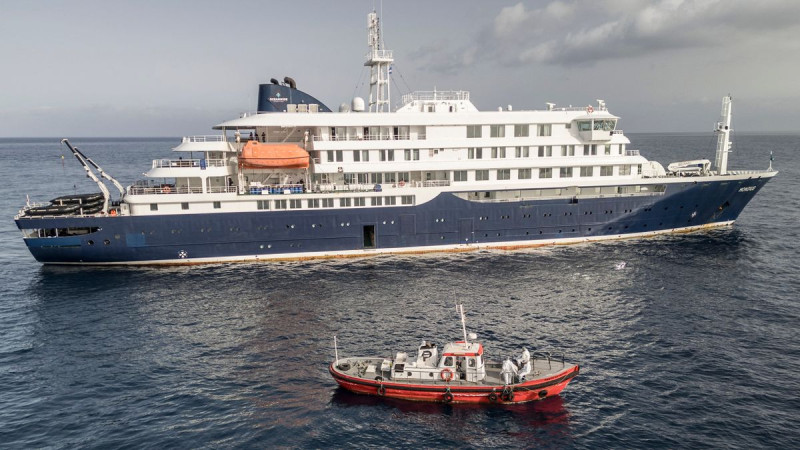
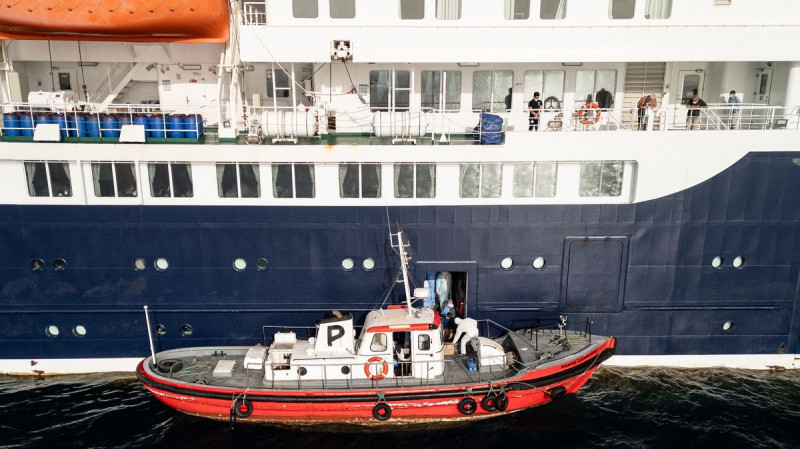
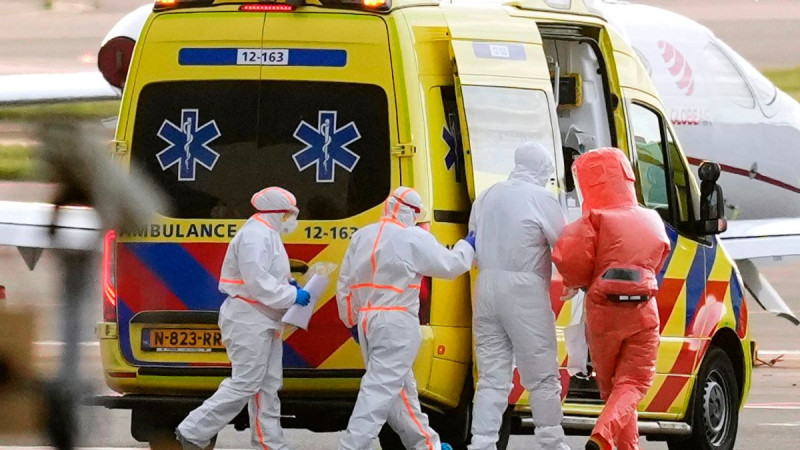
Passengers aboard the MV Hondius are living a horror story as a rodent-borne virus wreaks havoc, leaving them trapped in a floating quarantine. The luxury cruise ship, once a vessel of leisure, is now a grim isolation ward in the mid-Atlantic.
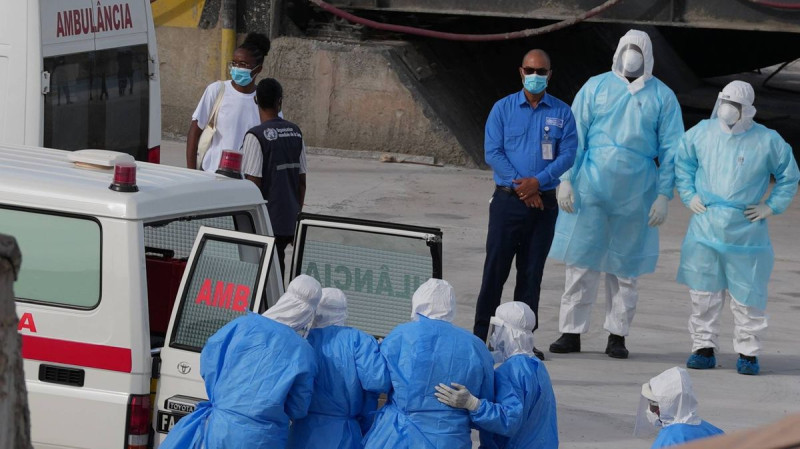
The nightmare unfolded during a voyage from Argentina to West Africa, with the situation escalating rapidly. Three lives have already been claimed by this deadly outbreak, and at least seven others are receiving urgent medical treatment.

Dr. Jay Hooper, a leading virologist, has issued a chilling warning about the hantavirus, which is believed to be the culprit behind this maritime catastrophe. He explained to sources that the conditions for such an outbreak are alarmingly rare, stating, "It takes a very, very rare window for all of these things to happen."
Experts suspect that two passengers may have inhaled aerosolized rodent waste while birdwatching in Ushuaia, Argentina, before boarding the ship, unknowingly unleashing the virus among fellow travelers.
Dr. Hooper, who serves as the Deputy Chief of Virology at the US Army Medical Research Institute of Infectious Diseases, detailed the gruesome effects of the virus on the human body. "If there was enough rodent waste that is aerosolized - gets into the air - you could be infected that way," he warned. "You could probably be infected by eating food that's been contaminated by rodents."

Once inside the body, hantavirus launches a brutal assault. "The hantavirus infects endothelial cells, which are the lining of your blood vessels. They cause dysfunction so your blood vessels leak. It's horrific," Dr. Hooper described. As the disease progresses, victims' lungs fill with fluid at an alarming rate.
With a staggering 35 percent fatality rate and no standard cure available, this outbreak is particularly concerning. The Andes strain of hantavirus is especially notorious for its ability to spread from human to human through saliva and other bodily fluids.

Despite the rising death toll aboard the MV Hondius, Dr. Hooper reassured that a global pandemic is unlikely due to the virus's transmission difficulties compared to COVID-19. "It would have to be a perfect storm of the infected person in the small window when they are contagious," he explained.
Dr. Hooper has dedicated decades to vaccine development and believes this incident should serve as a wake-up call regarding the risks associated with eco-tourism. "I've always thought that eco-tourists, those people who bushwhack around in places where this could happen, were at risk," he noted, expressing surprise that such individuals ended up on a cruise ship with others.
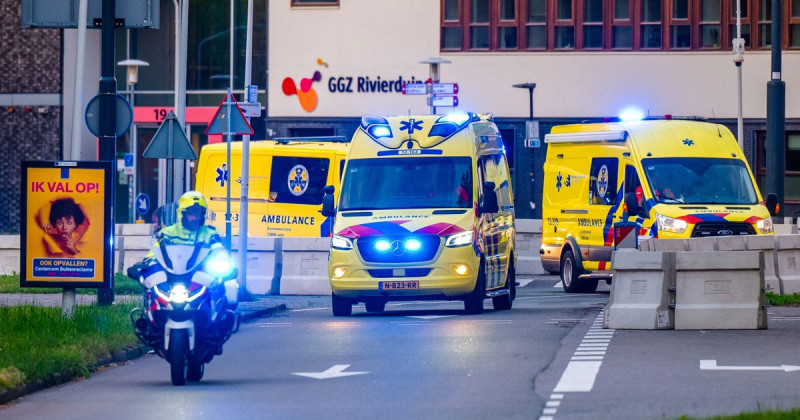
Health authorities are on high alert as nearly two dozen passengers have returned home, but Dr. Hooper remains hopeful about vaccine development. "If there was a desire to rapidly move a vaccine forward, we could do it. With industrial partners, we could do it," he asserted.