


Representative Brad Schneider unleashed a fierce attack on Maine Democratic Senate candidate Graham Platner, declaring there’s “no way” he didn’t know about the Nazi symbolism linked to his tattoo.
Schneider, a Jewish lawmaker and chair of the New Democrat Coalition, insisted Platner must “own it and move on.” He made it clear he won’t back Platner’s candidacy, emphasizing that the final call on the nomination belongs to Maine voters.
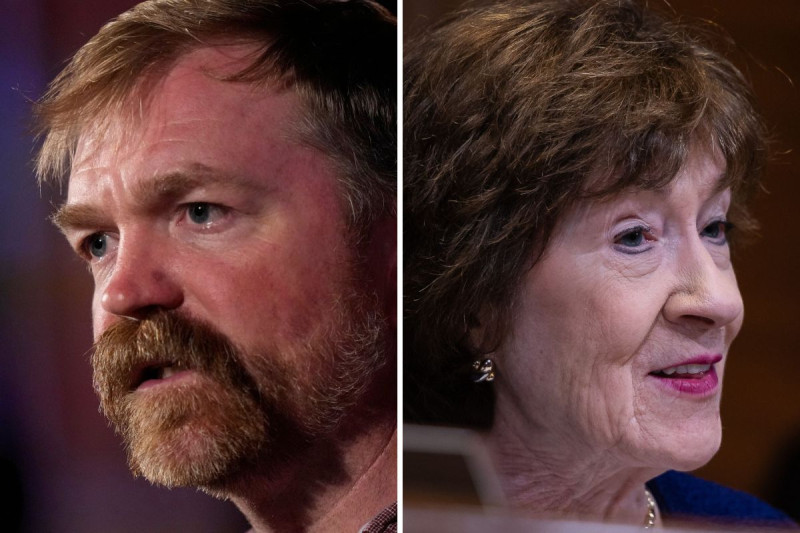
The congressman’s comments, first highlighted by Punchbowl News, reveal escalating anxiety within the Democratic Party about Platner’s chances in a crucial showdown against Republican incumbent Senator Susan Collins—a race pivotal for U.S. Senate control.
Platner, a Marine Corps veteran and political newcomer, is under relentless fire for a skull-and-crossbones tattoo that closely resembles the Nazi-era Totenkopf, a symbol directly tied to Adolf Hitler’s SS forces.
Schneider mirrored the skepticism surrounding Platner’s defense, pushing him to confront the issue instead of disputing the reports. He isn’t alone; Democrat Senator John Fetterman has also publicly condemned Platner, signaling a widening divide among lawmakers worried that this scandal will overshadow critical policy discussions.

This tattoo debacle is just one of many controversies plaguing Platner’s campaign as his national profile rises. Allegations have surfaced claiming he sent sexually explicit messages to multiple women during his marriage, alongside a history of contentious social media posts.
Further scrutiny emerged from a Times report where Lyndsey Fifield, a conservative activist and former girlfriend of Platner, described his past behavior as volatile and inappropriate—claims he has denied.
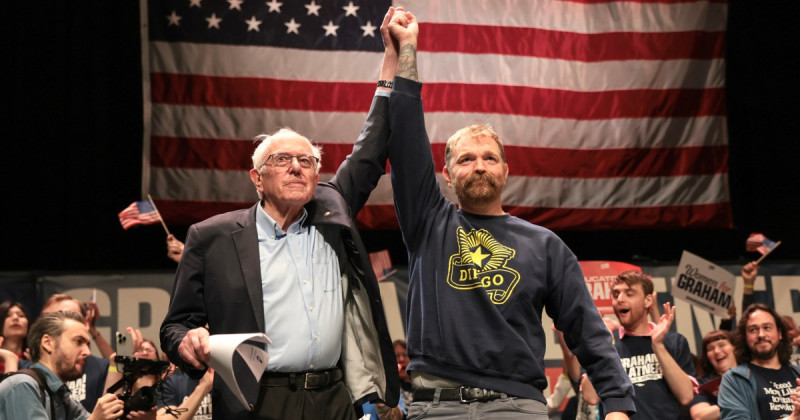
Despite these issues, Platner still enjoys support from several high-profile progressive figures, including Senators Bernie Sanders and Elizabeth Warren, underscoring a significant ideological rift within the party regarding his candidacy.
Platner is currently the frontrunner for Maine’s Democratic primary on June 9, which will kick off the general election battle against Collins. Public polling shows a fiercely competitive race; a recent survey from a Trump-aligned polling firm indicates Platner and Collins are in a statistical dead heat.
Maine election law stipulates that Platner has until 5 p.m. on July 13 to withdraw from the ballot for any reason. If he chooses to do so, the state Democratic committee has until July 27 to select a replacement nominee. After that date, only extraordinary circumstances like catastrophic illness or permanent incapacitation can justify replacing a candidate.
Platner has not indicated any intention to exit the race. If he clinches the nomination, the tattoo scandal and related allegations are set to remain significant liabilities, exploited by both internal critics and Republican adversaries through November.